
Saudi Arabia is more than just desert and dunes, dominated by the dry heat of Rub’ al Khali (also known as the Empty Quarter). Its landscapes are incredibly diverse, ranging from the turquoise waters of the Red Sea, fringed by coral reefs and mangroves, to high mountain peaks covered in vegetation and occasionally snow.
In between are desert oases with remnants of past civilisations, and dramatic rock formations whittled by the wind and time. And of course, historic cities characterised by striking architecture. This is a big country with a lot to explore – here are some of the most beautiful places in Saudi Arabia.
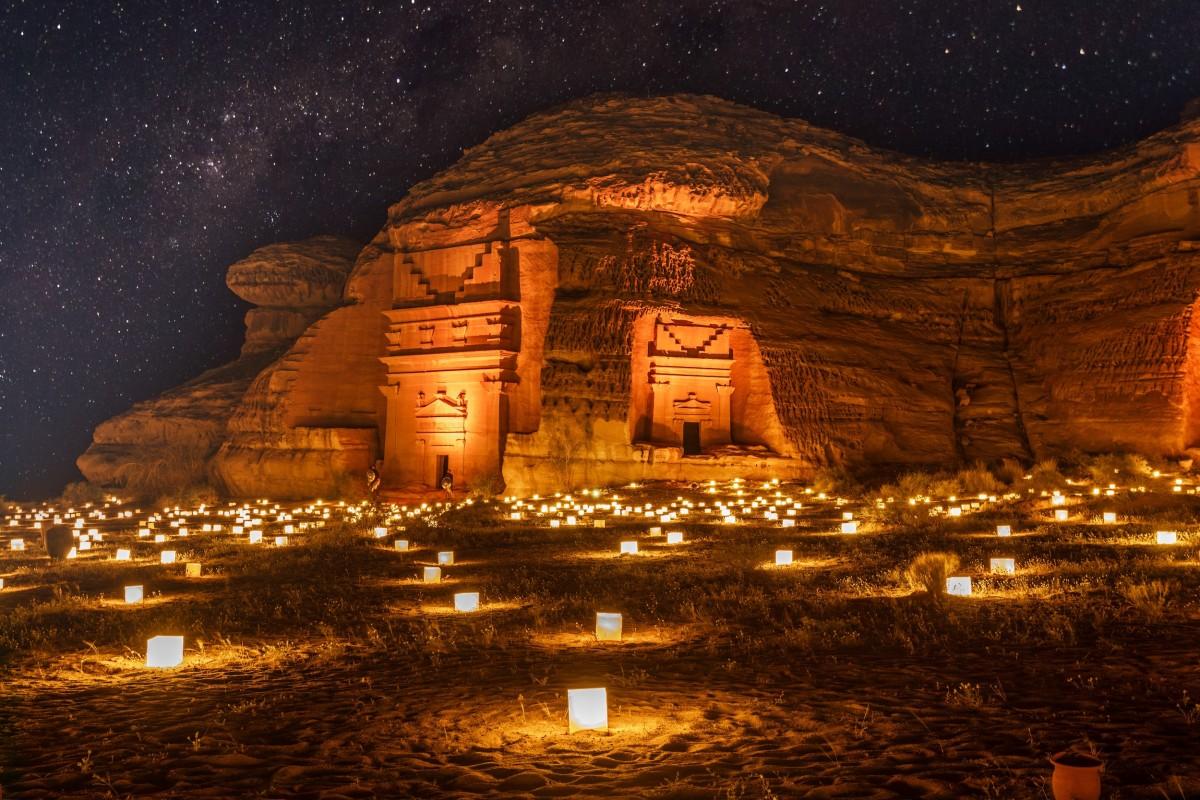
1. Hegra after dark, AlUla
AlUla is the crown jewel of Saudi’s desert locations, an oasis stretching for 12 miles through the sand, with over two million palm trees. It combines incredible rock formations with remnants from an ancient world, as well as more modern marvels and several new hotels. It’s a destination that can be viewed as part of an off-road adventure in a 4X4, by hot-air balloon, zipline and helicopter – as well as simply by foot, hiking on trails that lead around its dramatically beautiful landscapes. Highlights include Elephant Rock, or Jabal Alfil, a natural formation more than 50 metres tall, and the hidden canyons of Madakhel. But one of the most beautiful sights is Hegra, a city dating back more than 2,000 years and Saudi’s first UNESCO World Heritage site. It belonged to the Nabataean people, who left behind monumental tombs carved into sandstone rock – the most remarkable being the Tomb of Lihyan. You can visit by day, but a nocturnal visit is more atmospheric, with the sculpted rock illuminated by moonlight and candlelight.
2. The jacaranda trees of Abha, Asir
Japan has a cherry blossom season in spring and Britain and the USA have a leaf-peeping season when the autumn trees turn gold and orange. But in Abha, the capital of the southwestern Asir province, it’s all about the jacarandas. The city has around 25,000 of these trees, whose bright purple flowers last for up to eight weeks in the spring and summer, and which can reach a height of three metres in its first year of growth. The city planted them as part of Saudi’s Vision 2030 programme, along with a million roses, to diversify its vegetation cover, produce oxygen, and make the city a tourist attraction. The effect is stunning, with lilac bouquets of pretty flowers and their heady scent all around, though visitors should go to central Al-Fan Street for the best display.
3. Khairah Forest Park, Al Baha
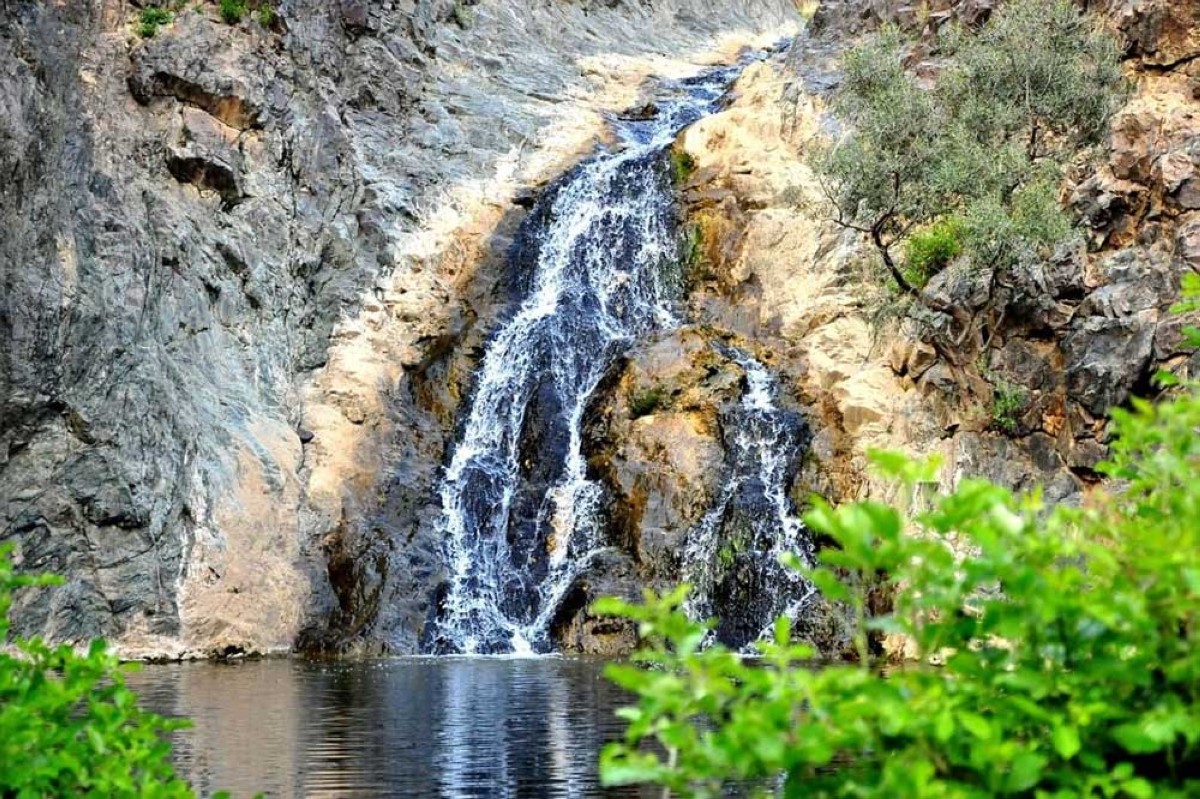
Forests, camping and waterfalls? Are we actually in Saudi Arabia? Indeed we are, although 2,500 metres above sea (and desert) level, in the far milder Al Baha region in the south-west of the Kingdom. The wooded area is known for its ancient fortresses, villages and farmers’ terraces that date back hundreds of years. Historically, it was part of an ancient trading route, running through the southern Arabian Peninsula to Makkah (also known as Mecca), and traces of the old road can still be found.
Highlights include the Shada Mountain Reserve, Prince Hussam Park and the recently opened Thee Ain Museum, built around a 400-year-old hilltop village made from marble and surrounded by the banana trees and blossoms of Wadi Rash. The region is popular with Saudis who come here to hike and camp. At the Khairah Forest Park, a sprawling network of agricultural terraces collects water that cascades down in a single, dramatic waterfall. While you’re here, watch out for species such as the Saudi tree frog and Yemen linnet.
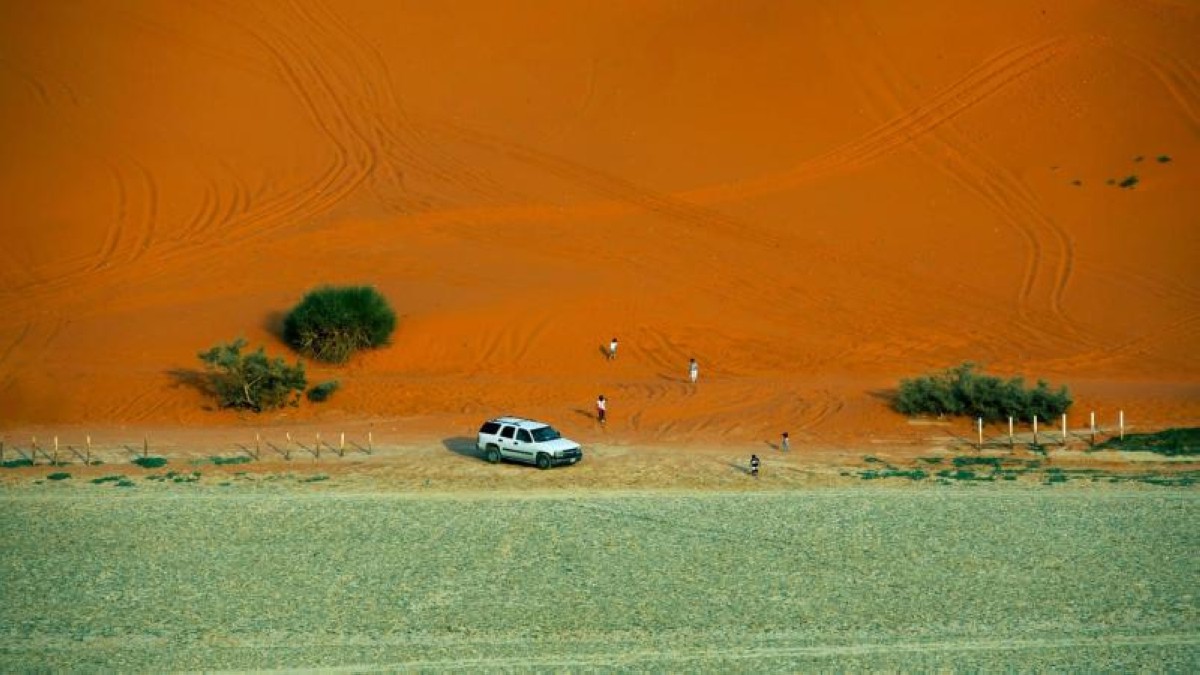
4. Al Kharrarah National Park, Riyadh
Saudi Arabia is a land of miraculous natural phenomena. Take Lake Kharrarah for example, otherwise more poetically known as the Lake of Liquid Light. It only exists after a period of heavy rainfall, when the water runs down the dunes into the valley below, forming the lake. At times, it can become deep enough to swim in – residents of nearby Riyadh drive out in their 4X4s to picnic on the lake shore – before the water slowly evaporates in the heat. In early spring, the lake bed becomes a green pasture, attracting migratory birds and other wildlife – a striking contrast with the red valley dunes around it. On a good day, you can see The Edge of the World from here.
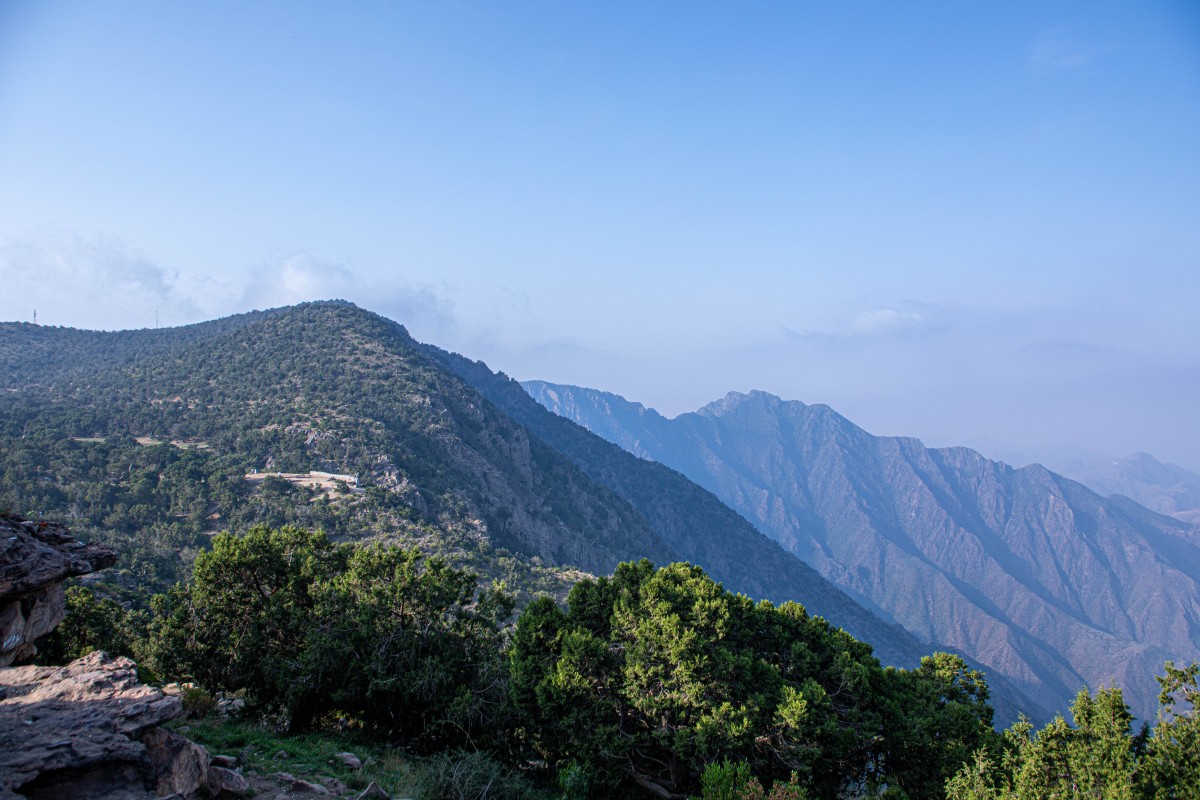
5. Soudah Mountains, Asir
Did you know it snows in Saudi Arabia? In the summer? To find the white stuff, though, you’ll need to hitch a ride on the cable car that runs up to the top of Jabal Tahlal, which at 3,015 metres is the highest point in Saudi. From here you can also spot far-off valleys and the spires of distant mosques and minarets. The Soudah mountains, 480km south of Jeddah, provide a remarkable contrast to the desert and dunes landscapes that dominate Saudi. Hikers and campers come for the cool mountain air and mist-swirled valleys, covered in juniper, along with aloe vera, olive trees and lavender. It’s one of the most biodiverse regions in the country, and becoming more so, with one million trees scheduled to be planted by 2030. Wildlife species include the hamadryas baboon, Arabian wolf and striped hyena, along with Arabian mountain gazelles and horned ibex, which are being rewilded here. With the Soudah range set to become one of the country’s key tourist destinations over the next few years, best get here before everyone else does…
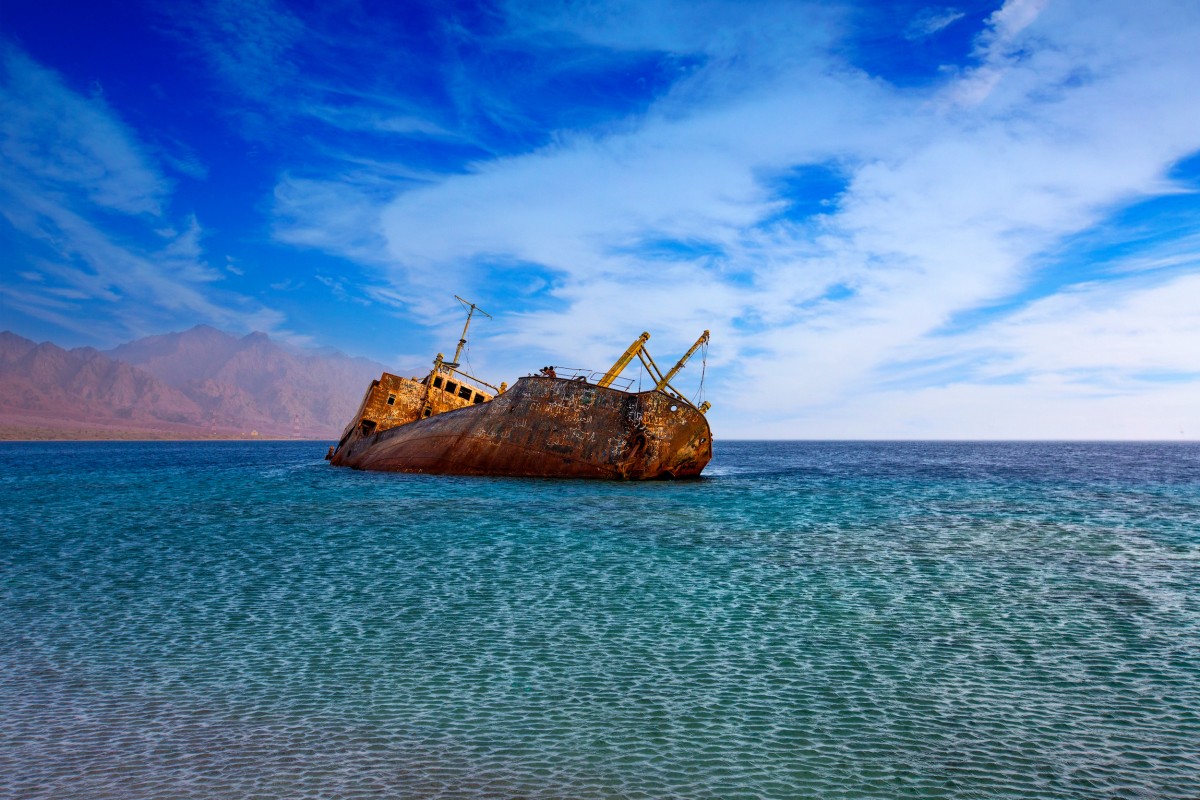
6. Haql Shipwreck Beach
It looks like a movie scene – a shipwrecked hulk tilted on one side in a tropical bay, half-sunken in the water. The wreck is a Greek ship, Georgios G, which sank in 1978 in the Gulf of Aqaba, 50km from the city of Haql in Saudi’s Tabuk province. Known to locals as the “Saudi Titanic”, although thankfully there was no loss of life, it’s something of a mystery as to why it ran aground on the coral reef and caught fire shortly afterwards. Four decades later, though, it has become a tourist attraction in its own right, drawing swimmers and snorkellers – a dramatic presence on this wilderness coast, lapped by the turquoise waters with the mountain peaks rising behind the sandy beach.
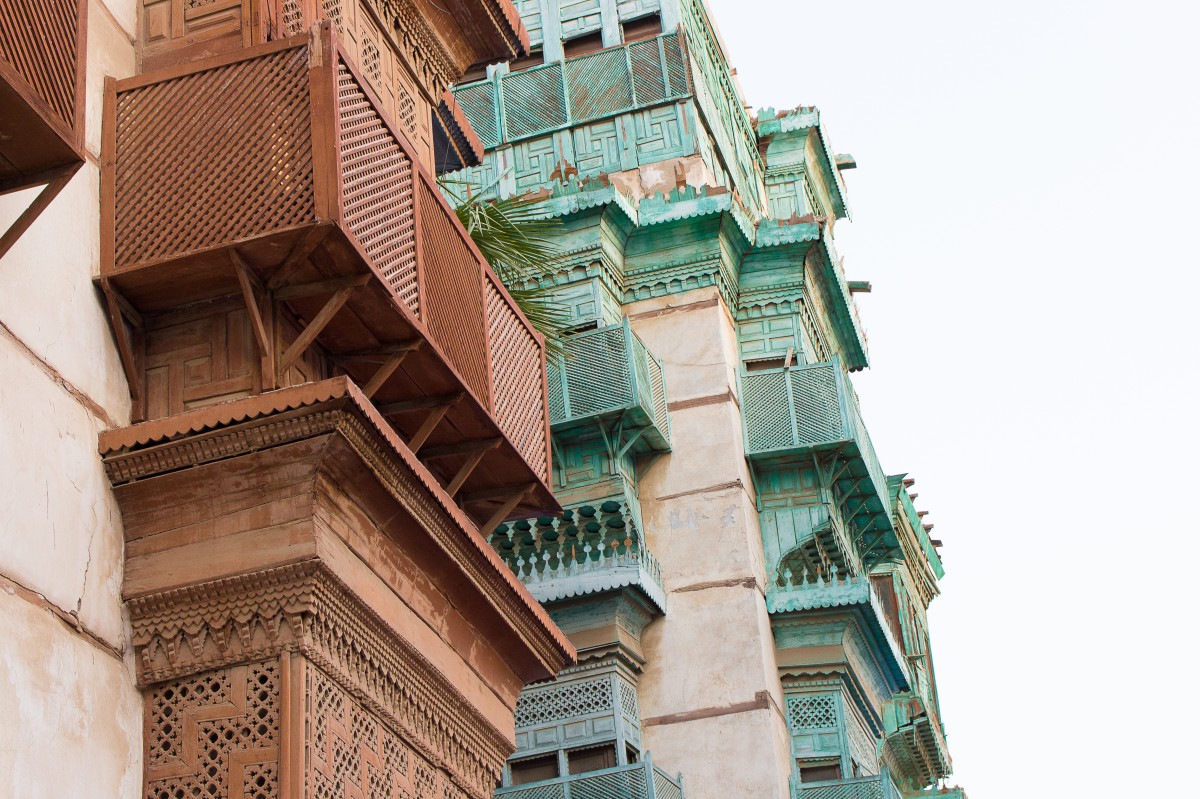
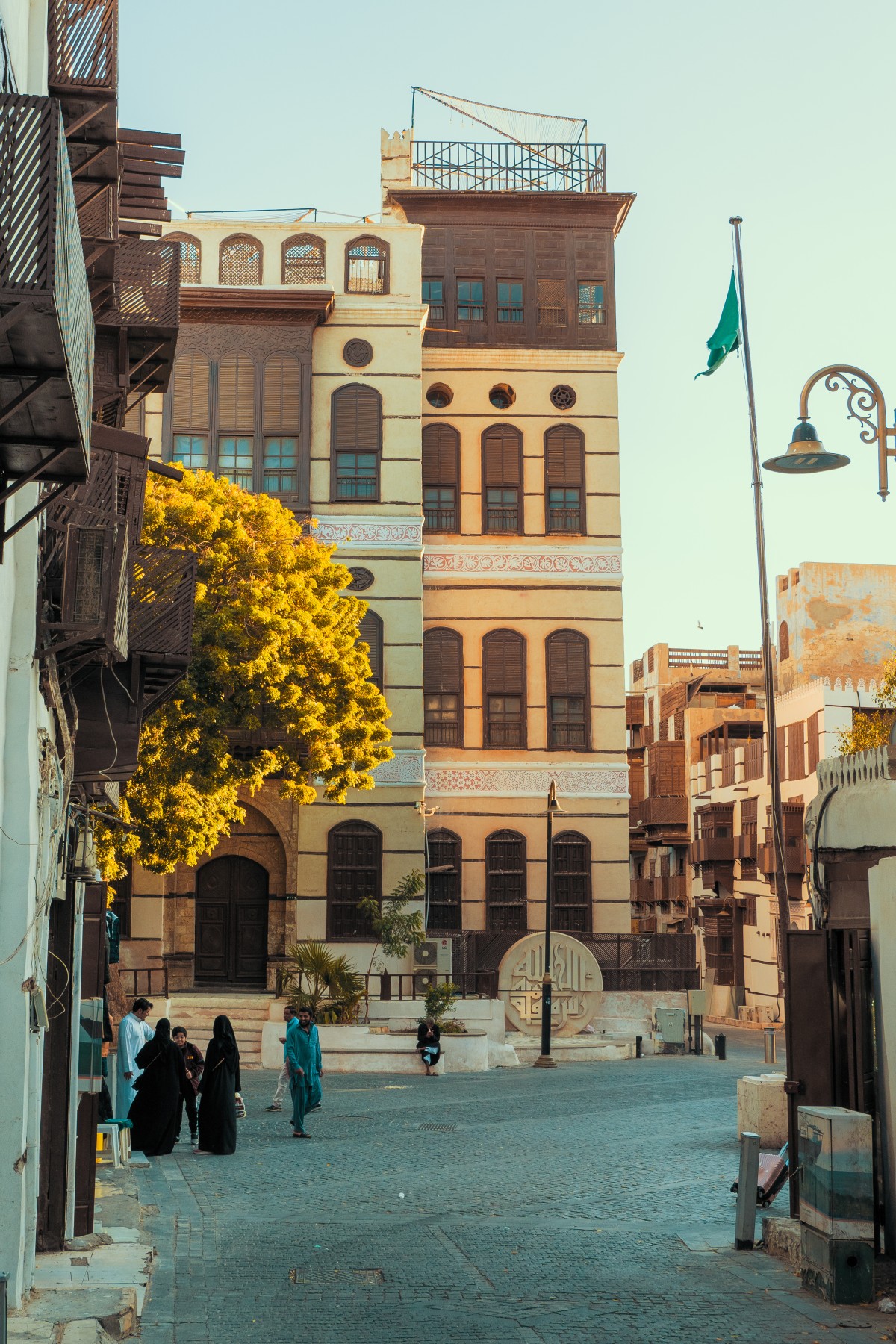
7. Al Balad, Jeddah
Saudi Arabia may be embracing futuristic technologies and creating dramatic new architectural landmarks, but one of its most beautiful places was built by hand using coral hundreds of years ago. The Al Balad district in the seaside city of Jeddah is a UNESCO World Heritage site and is currently being restored after being neglected for decades. Spread over a mile, it contains over 650 historic houses constructed using wood, coral stone and limestone.
Many are two or three hundred years old, but some go back 1,400 years; known as Hejazi houses, the intricately designed structures have carved wooden doors and latticed windows painted emerald green or blue. One of them, Bait Nassif, now a museum, even had an interior staircase wide enough for a camel to climb up laden with water and supplies. With many of their former residents having moved out to more modern homes, there’s something of a ghost-town feeling about the district – though the Al Balad Hospitality group is restoring many of the houses as beautifully individual boutique hotels.
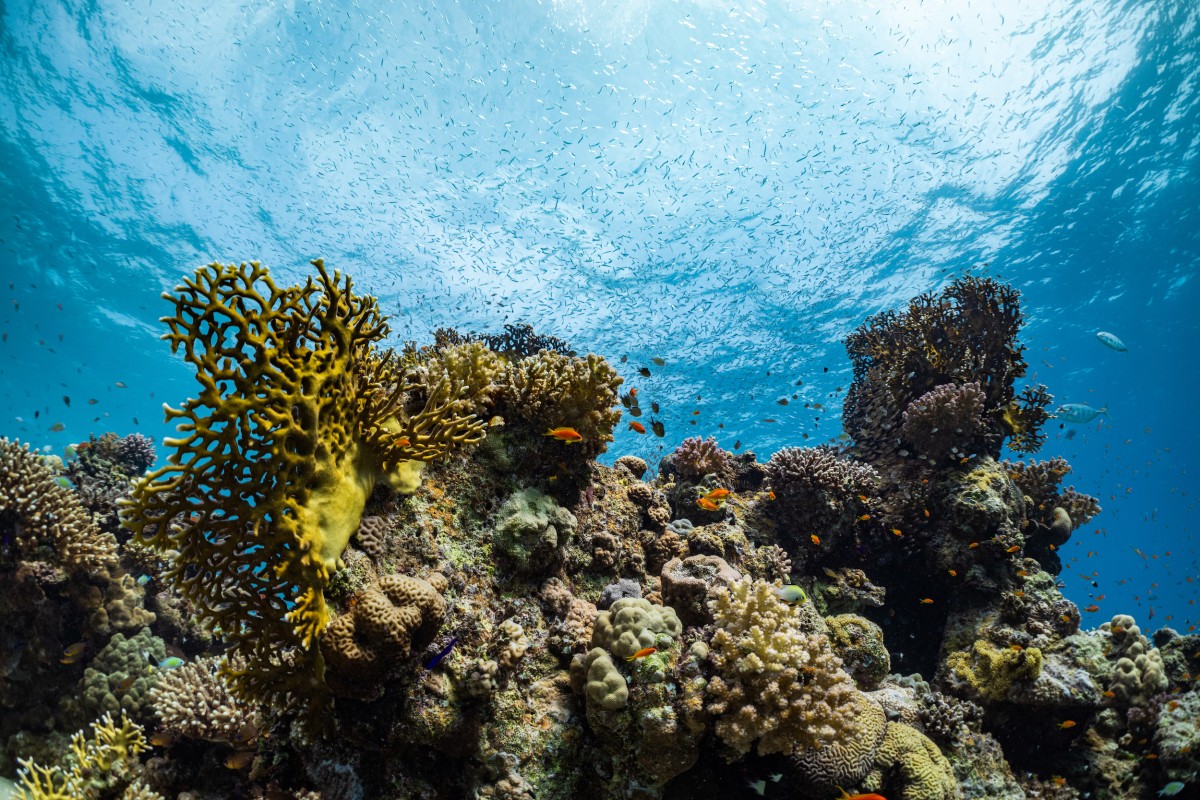
8. Umluj
These are the subtropical islands few people have been to. That will change, as Saudi’s Red Sea Project aims to open up the region to sustainable tourism, but for the moment this area is blissfully quiet and secluded – a mesmerising colour scheme of turquoise and white, flecked with the kaleidoscope hues of coral reefs and fish. Umluj Beach on the mainland was recently ranked among the top 100 beaches in the world, according to the London-based BeachAtlas, alongside Bora Bora and Copacabana.
But it’s the islands that are the main attraction, all 104 of them, scattered in the Red Sea between Umluj and Wajh and home to over 300 species of coral – more than quadruple the number found in the Caribbean. All types of sea life flit through and over the reefs, from Hawksbill turtles and dugongs to parrotfish and a myriad of other species that can be seen while snorkelling or scuba diving. The best time to visit the Saudi Maldives, as they are known, is between January and June.
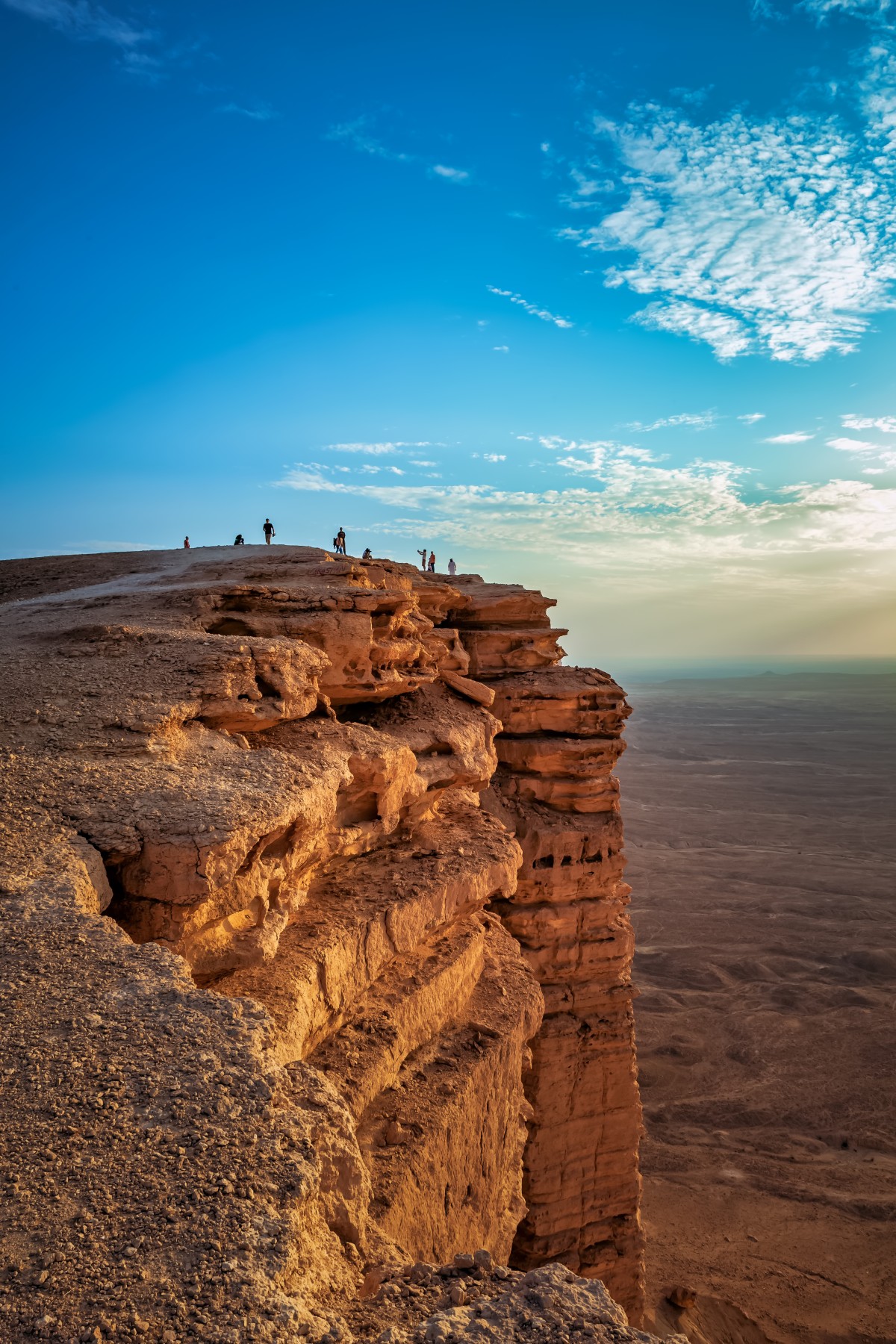
9. Edge of the World
Some of the best experiences in life are free. A hundred kilometres northwest of Riyadh is a 1,131-metre cliff that rears out of the barren desert, signifying the end of the Tuwaiq mountain range. Its official name is Jebel Fihrayn but it’s better known as the Edge of the World due to the views from the top over the surrounding area. The cliff face drops down into what was once an ancient sea bed – look carefully and you can find fossils here. Later the region was traversed by caravan trains threading their way through the desert. These days, apart from the occasional camel herder, it’s just visited by intrepid travellers and hikers who make their way here from the city by 4X4 – though it’s best to arrange a private tour as roads are unsignposted and often lead nowhere. Don’t stray too close to the edge…
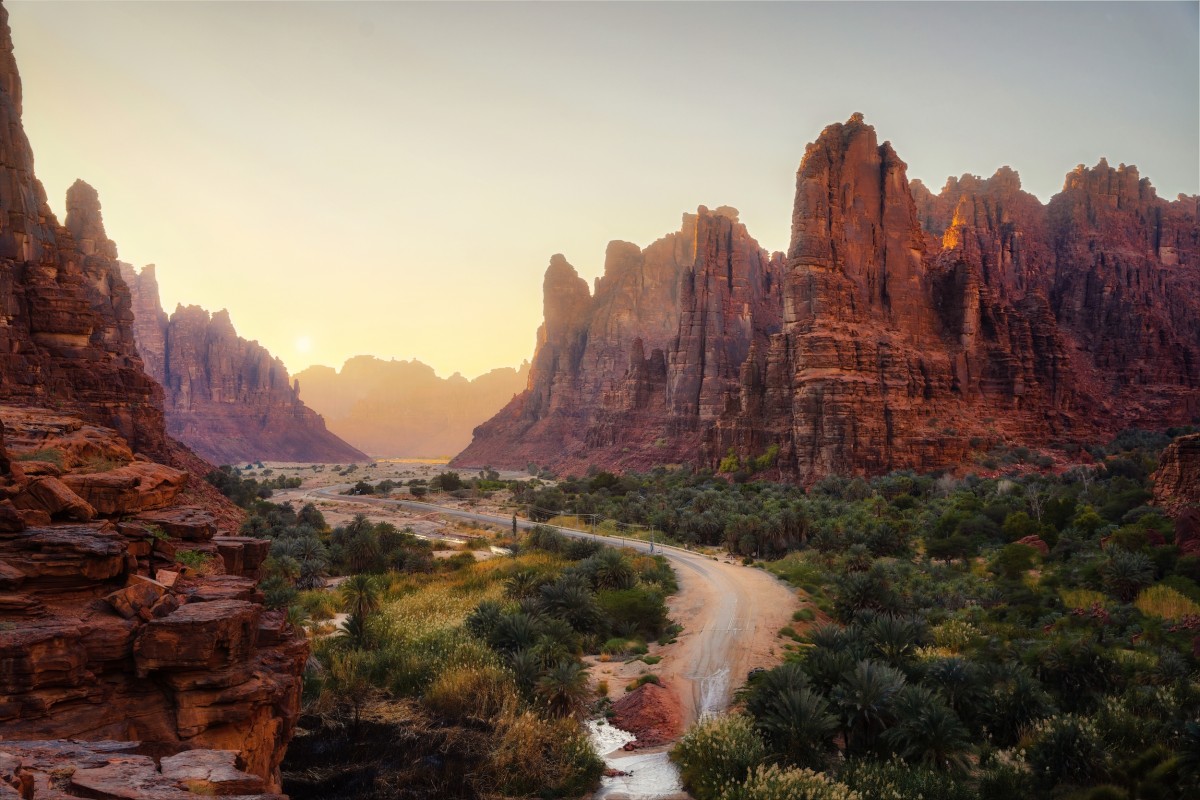
10. Wadi Al Disah
It’s something of an adventure in itself getting to Wadi Al Disah – you’ll need to fly to Tabuk and then drive 260km in a well-equipped 4X4 – but it’s worth it. AlUla may be getting all the attention right now when it comes to red-tinted geological wonders, but the wadi is an epic, widescreen “land that time forgot” – Saudi’s very own Grand Canyon. Sandstone cliffs rise up 500 metres, their sculptural rock formations reflected in pools of water formed by the creek that runs through the valley. Even more remarkable are the top-heavy mushroom rocks, formed by wind erosion, 30 metres high and poised like ballerinas – it feels as if they might topple over if you pushed them. Palm trees, bamboo and other plants provide shade – it’s an epic place to come for a picnic or a couple of nights camping.