

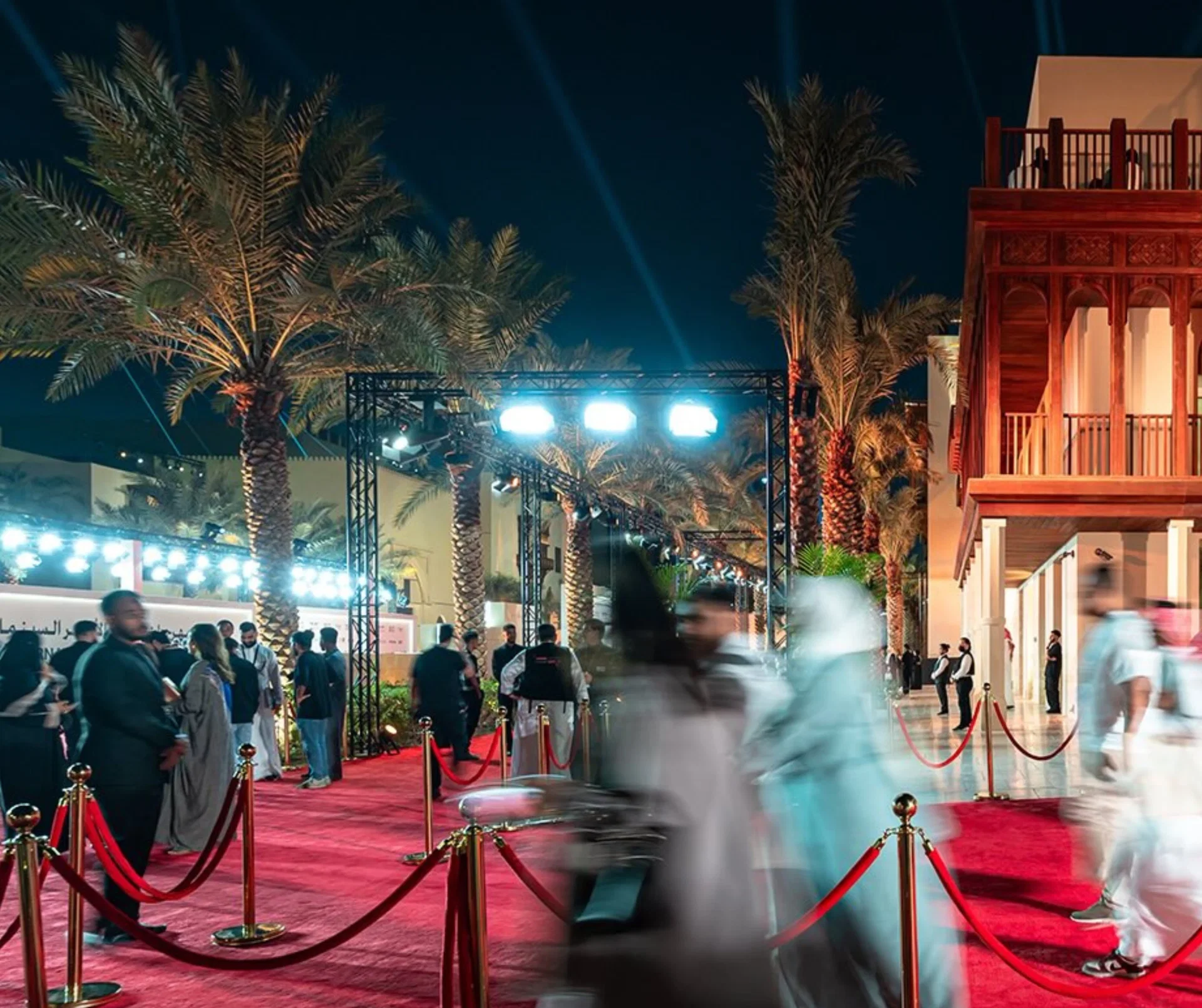
From archaeological sites dating back over 2,000 years to old Arabian settlements amid lush verdant oases and expansive stretches of desert sands, Saudi Arabia is home to some of the most incredible cultural and natural environments on earth.
The UNESCO World Heritage Centre aims to build international cultural dialogue through the celebration and preservation of historic monuments and it is no wonder that they’ve added eight Saudi sites to their eponymous list, with several more awaiting confirmation. Start planning your own must-visit list now with our guide to Saudi Arabia’s current and future UNESCO historic sites.
1. Hima Cultural Area
This mountainous area in the southwest of Saudi Arabia made the UNESCO World Heritage list in 2021. Situated on one of the Arabian Peninsula’s ancient caravan routes, it features a variety of rock art images that capture an ancient way of life through intricate drawings of hunting, wildlife, plants and flowers in the Arabian Peninsula, some of which date back to 7000 BCE. They are continually studied by experts to reveal more about ancient civilisations in the area and their role in human evolution.
2. Al-Ahsa Oasis
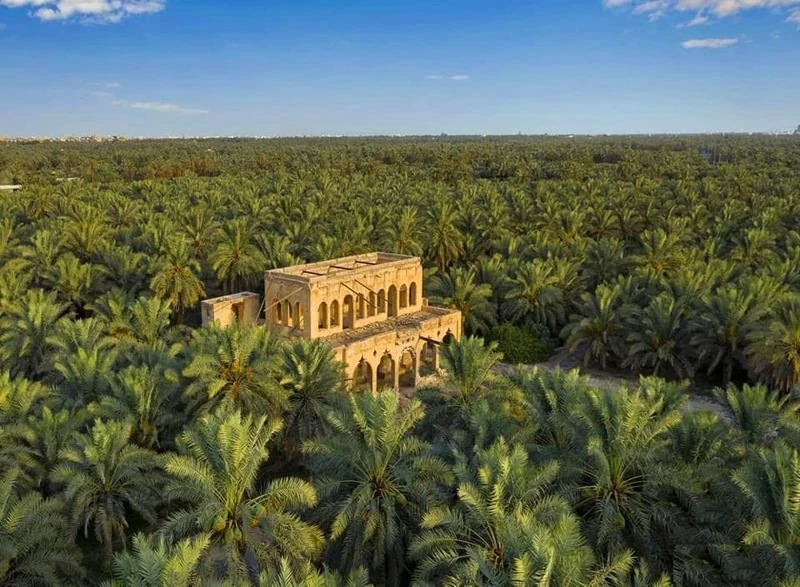
This lush verdant oasis in the eastern part of the country made the UNESCO heritage list in 2018. The Al-Ahsa Oasis, also known as Al-Hasa, is known for its archaeological sites and rock formations. The property comprises a series of gardens, natural springs, wells and a drainage lake, as well as mesmerizing historical buildings and archaeological sites that reflect the many traces of human settlement in the Arabian Gulf region from the Neolithic period to the present.
The largest oasis in the world, Al-Ahsa has some 2.5 million date palms producing the region's finest examples of Saudi’s favourite fruit and long stretches of farmland. Take the time to wander through Al-Ahsa National Park and discover the Yellow Lake – the largest body of water in the Arabian Gulf and home to a wide range of migratory birds and flora. Time your visit to coincide with the sunset to enjoy unforgettable views.
3. Hegra
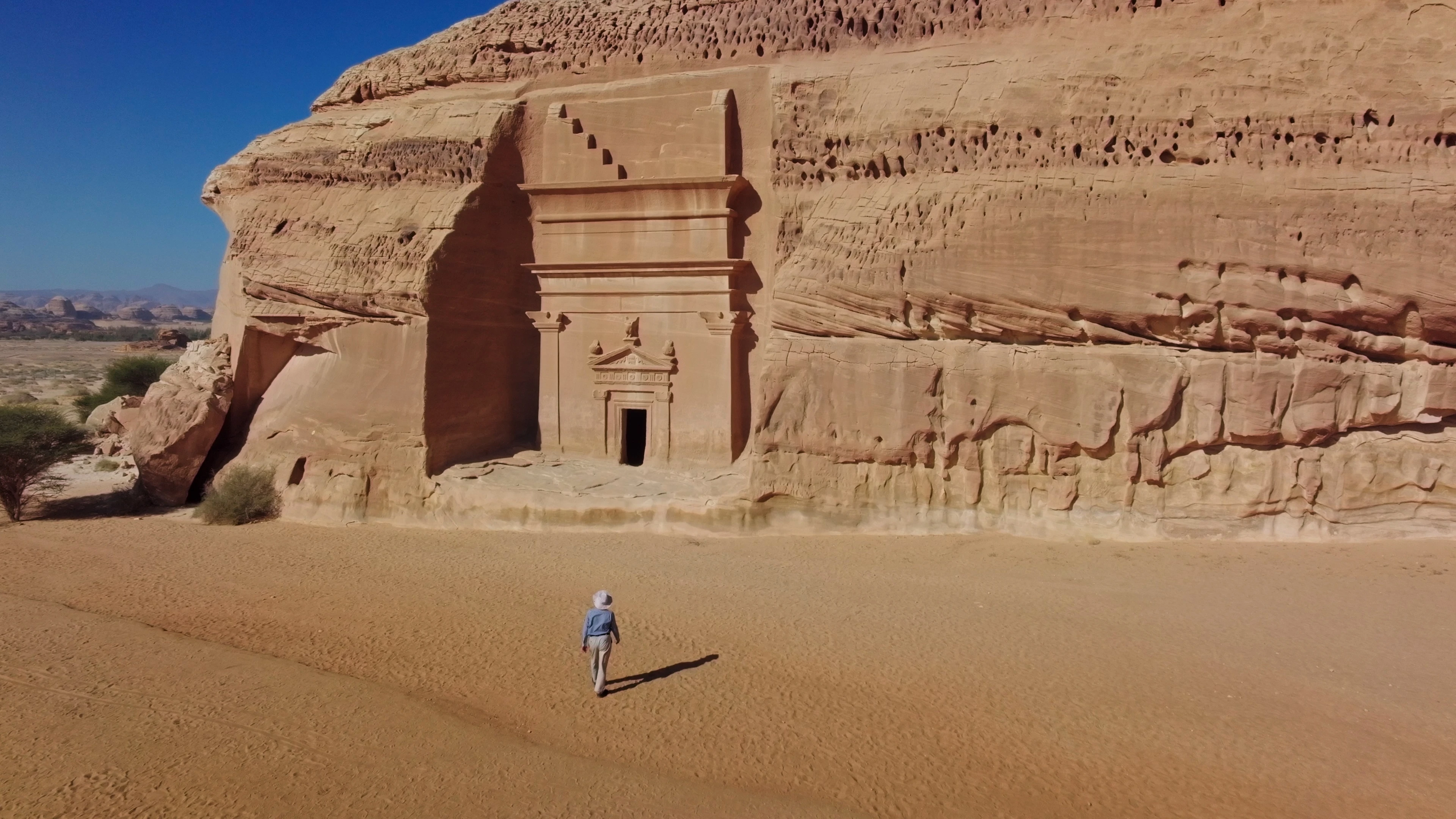
In 2008 Hegra, also known as Madain Saleh, became the first site in the Kingdom to make the UNESCO World Heritage list. Located in the ancient desert region of AlUla, it’s the largest conserved site of the Nabataean civilisation south of Petra in Jordan. It is also the ancient Kingdom’s second-largest city after Petra.
Once a bustling international trade hub connecting cultures via the incense route from the Mediterranean to Yemen and Oman, Hegra has been left largely untouched for nearly 2,000 years. Unique attractions include 50 inscriptions of the pre-Nabataean period and several cave drawings among the 111 monumental tombs, 94 of which are decorated. Discover old dwellings, tombs with fascinating geometric detailing and Roman columns – aspects that reflect AlUla’s cultural connection to civilisations spanning the east and west.
4. At-Turaif
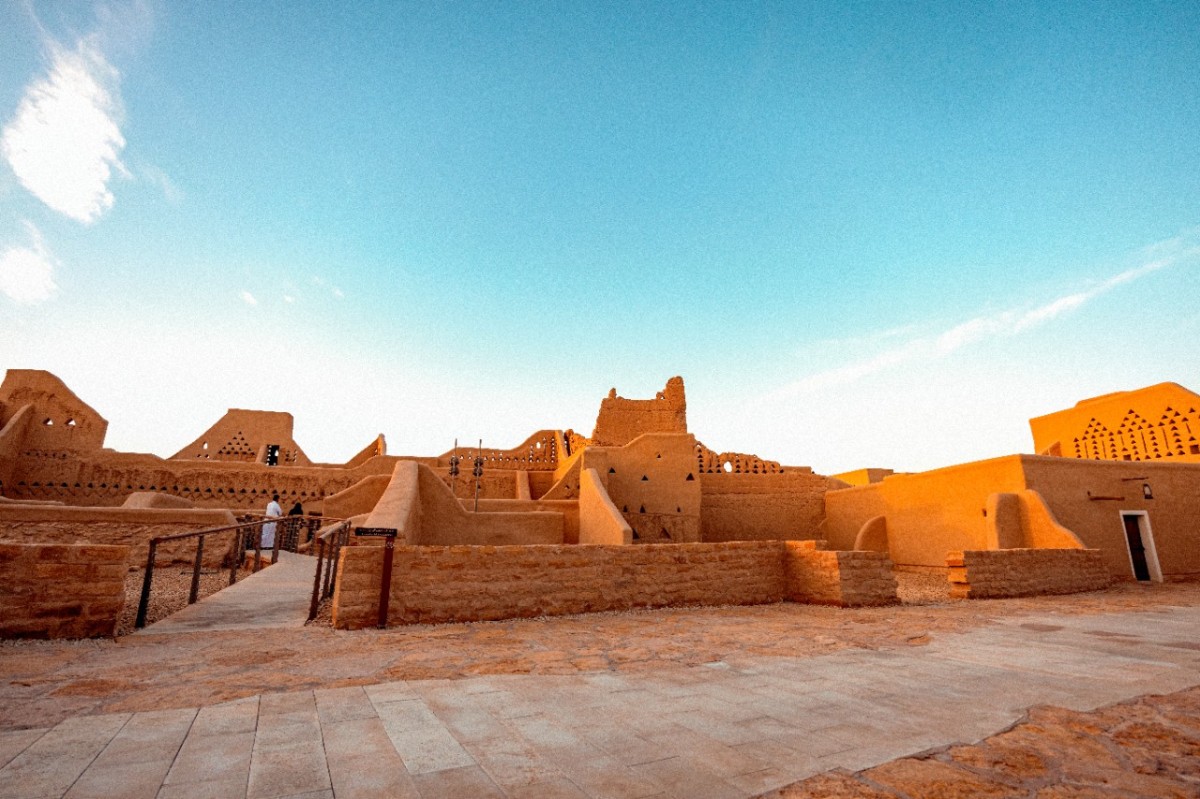
Once the seat of the first Saudi state, At-Turaif still stands tall amid its old mud-brick ruins as the origin of the Saudi dynasty. Located northwest of Riyadh in Diriyah, the historic district of Saudi Arabia, the site was founded during the 15th century and reflects the local Najdi architectural style specific to the Najd region in the center of the Arabian Peninsula.
During the 18th and early 19th centuries, At-Turaif became an important site for both politics and Islam, with the citadel becoming the center of power for the House of Saud. The property, which today is surrounded by massive development plans to expand the heritage district, includes the remains of many palaces and a museum that allows travellers to explore the modern heritage of Arabia.
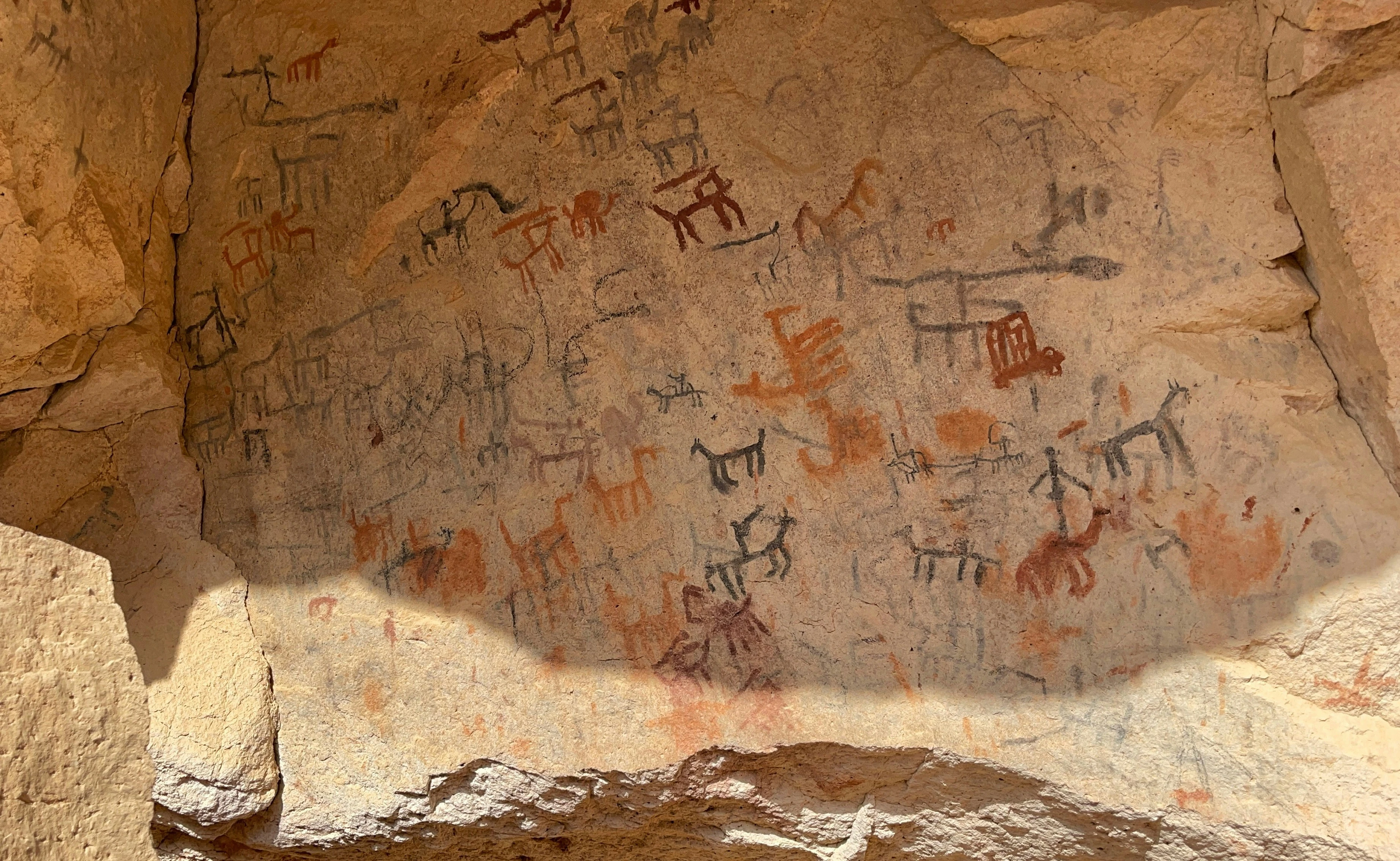
5. Rock Art in the Hail Region
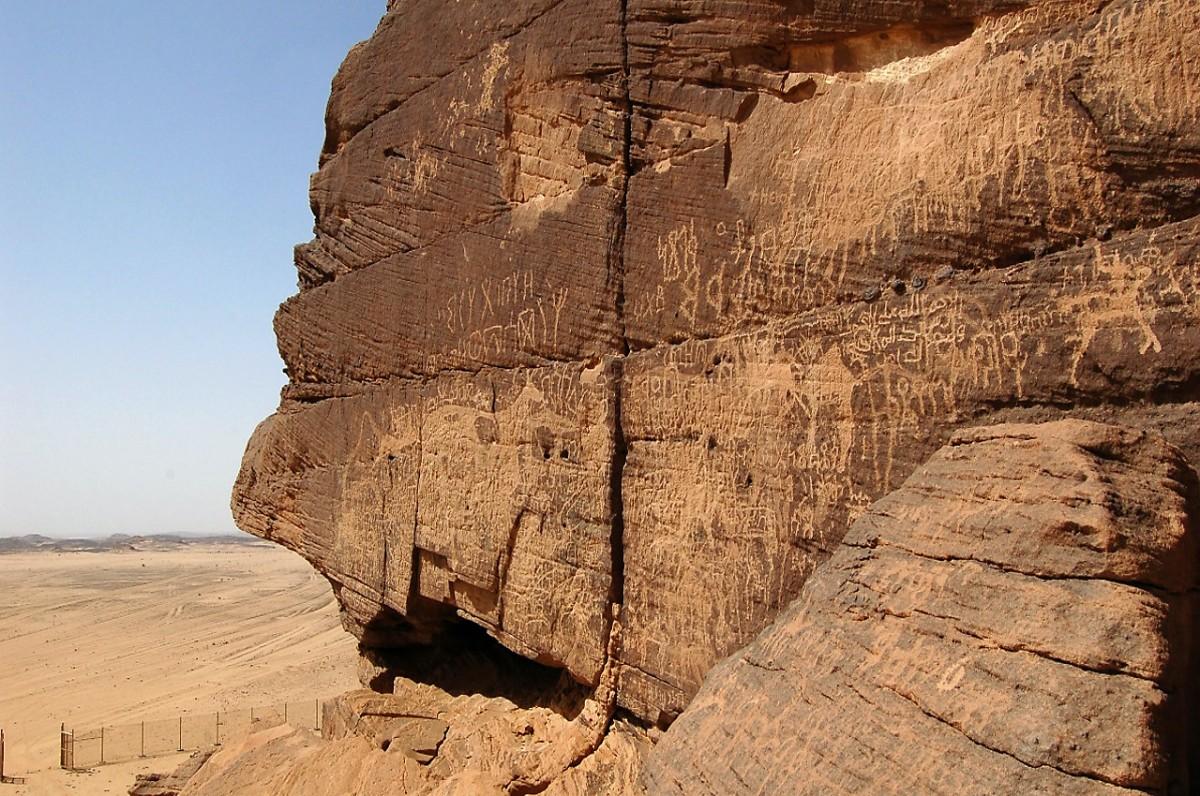
Located in the Hail Region, one of the Kingdom’s 13 provinces, rock art found in two distinctive areas in Jubbah and Shuwaymis was designated as a UNESCO World Heritage Site in 2015. The intricate old art forms made up of numerous petroglyphs and inscriptions on rock faces shed light on the ancestors of today’s Arabian Peninsula.
A wonderful area to visit on a hiking or camping trip, travellers can spend hours or even days exploring the multitude of inscriptions covering the rocks and ponder the clues they offer to early life and culture in the region.
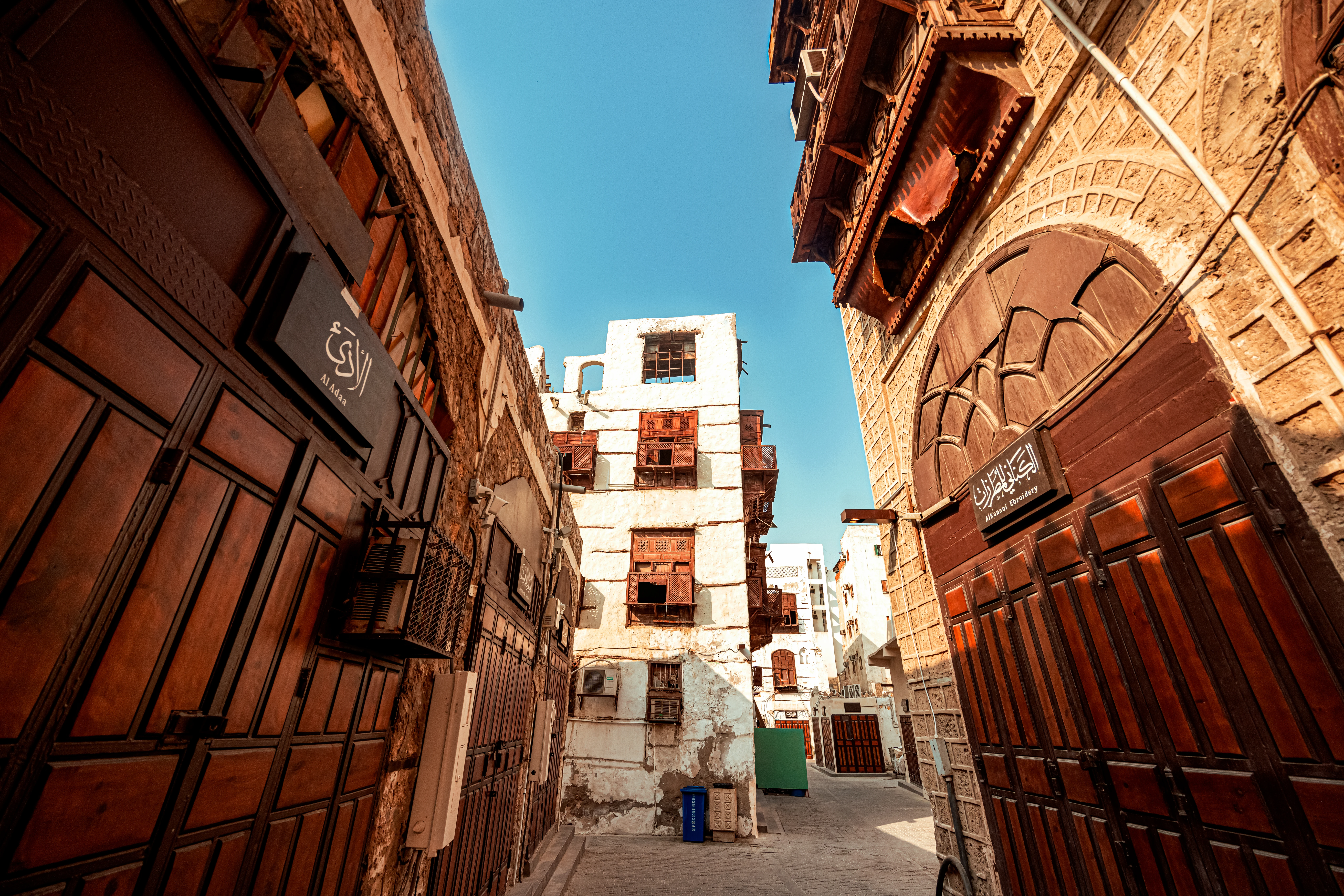
6. Historic Jeddah
Jeddah has long been a major port for tradespeople and religious pilgrims on their journey to Makkah (also known as Mecca). Situated on the Red Sea, the city has been a crucial stopping point for merchants on the Indian Ocean trade routes since the 7th century; even more so since the construction of the Suez Canal.
Hundreds of thousands arrive each year in Jeddah, also known as the Gate to Makkah, as they prepare to perform Hajj. Historic Jeddah became a UNESCO World Heritage site in 2014 and is characterised by distinctive architectural traits that weave together many local and international traits that reflect its history.
Al Balad, Jeddah’s historic district, also includes prominent 19th-century buildings constructed by the city’s mercantile class. These structures mix Arabian architectural styles with Red Sea coastal coral building traditions, offering a strong mix of heritage and nature.
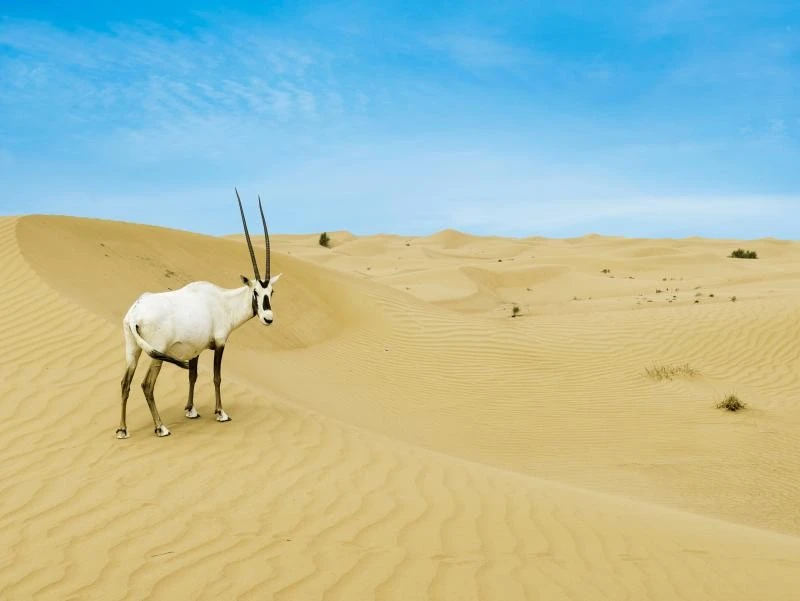
7. Uruq Bani Ma’arid
This protected area in the western part of Saudi Arabia contains the greatest expanse of windblown sand on earth, known as Ar Rub' al-KhaIi (Empty Quarter), and became the first natural site in the Kingdom to be added to UNESCO’s World Heritage List in 2023.
This status helps to conserve a portion of one of the Earth’s most spectacular desert landscapes – often deemed mystical and otherworldly for its daunting yet breathtaking scale. Of note is the reintroduction of various desert animals – including the Arabian Oryx and Arabian Sand Gazelle – as a way to revive the natural ecosystem. The oryx made its return after decades of extinction in this part of the world and now inhabits the undulating sand dunes alongside invertebrates and reptiles that also find a home in this enigmatic place.
The hyper-arid desert is now divided into three zones: a nature reserve, a hunting area and a place where controlled grazing is allowed. The area is historic in that it has been used for generations by the nomadic and pastoral Bedouin people.
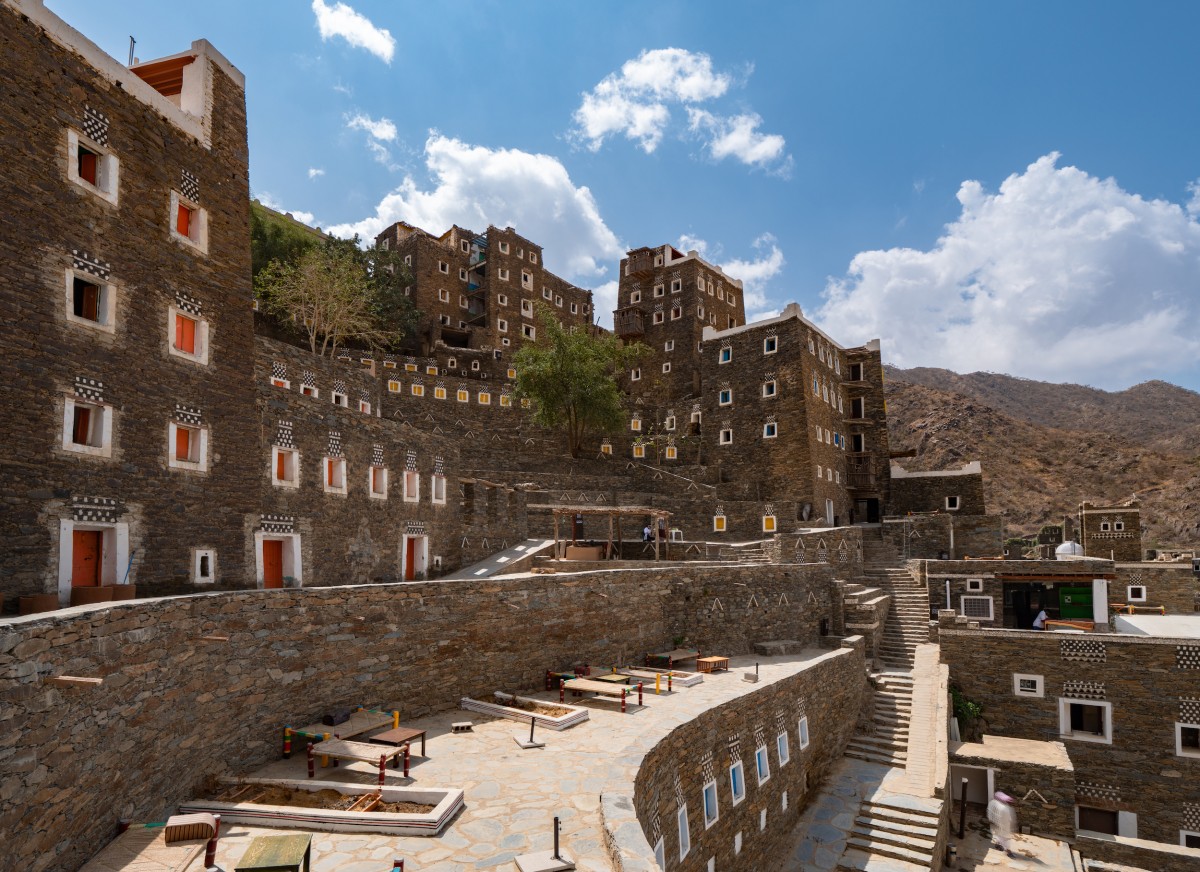
8. Rijal Almaa Heritage Village
Presently slated on a tentative list to be a UNESCO World Heritage Site, this traditional village is the capital of the Rijal Almaa Province. Located approximately 45 kilometres west of the city of Abha, a mountainous area and capital of the wider Aseer region, Rijal Almaa once served as a natural corridor between traders and pilgrims from Yemen and the Levant to Makkah and Madinah, making it an important regional centre for business.
The village offers an impressive site of around 60 palaces built in a local traditional style from natural clay, stone and wood. Each consists of several floors and visitors can enjoy the interior facades made up of intricate colourful geometric decorations painted by hand with natural pigments. A mix of private and state-funded initiatives are now working to rehabilitate the village.
Additionally, a permanent heritage museum, established in 1985 by a passionate local eager to preserve the unique history and culture of the village, offers an in-depth glimpse into what life was once like in Rijal Almaa.
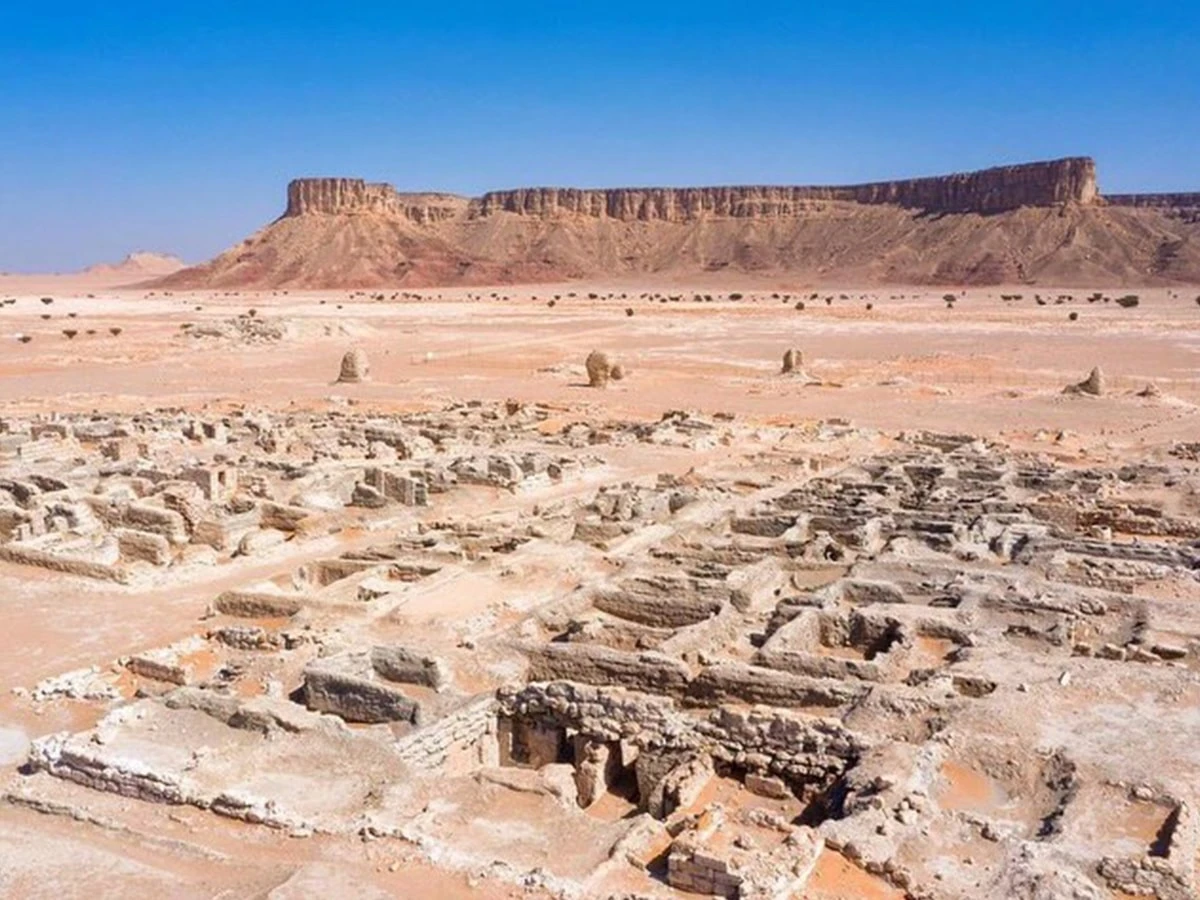
9. Al Faw
Last but by no means least is the most recent addition to the Kingdom's Heritage List – Al Faw. Added in July 2024, this archaeological area stretches across sections of both the Empty Quarter and the Wajid sandstone terrain. It has a wealth of evidence showcasing human civilisation and evolution through fluctuating environments that dates back to the Paleolithic era.
The use of the land for human settlement stretches across millennia and the rich physical evidence of the evolution of tools, culture and language make it a jewel in the crown when it comes to understanding our own history. Inscriptions and artwork are still evident though the site was abandoned by its population in the 5th century CE.
The desert environment has successfully preserved an incredible amount of detailed physical history and much work has been done to ensure any natural deterioration is stymied. Its addition to the UNESCO World Heritage List will protect it for future generations and inform our understanding of how cultures evolve and adapt to changing environments.