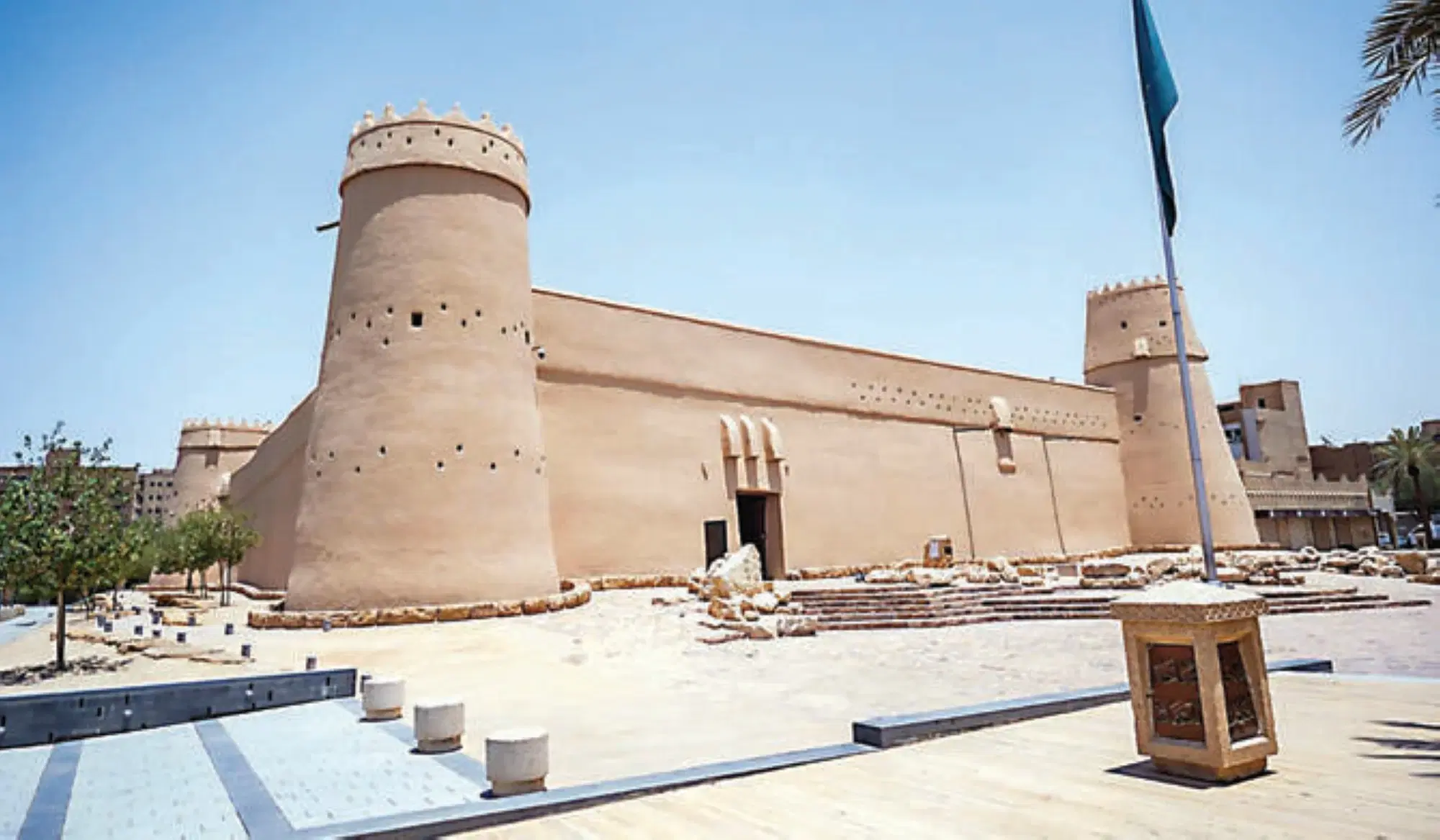

Should you find yourself in Riyadh’s Al-Thumairi district, you might come face to face with one of Saudi Arabia’s most iconic landmarks; Al-Masmak Palace Museum, a mudbrick fort that helped shape the course of the Kingdom’s history.
Originally constructed in 1865 during the reign of Imam Abdullah bin Faisal, the fortress became a turning point in Saudi unification when, in January 1902, King Abdulaziz Al-Saud famously recaptured Riyadh from within its thick, clay walls. That decisive moment would go on to mark the beginning of modern Saudi Arabia.
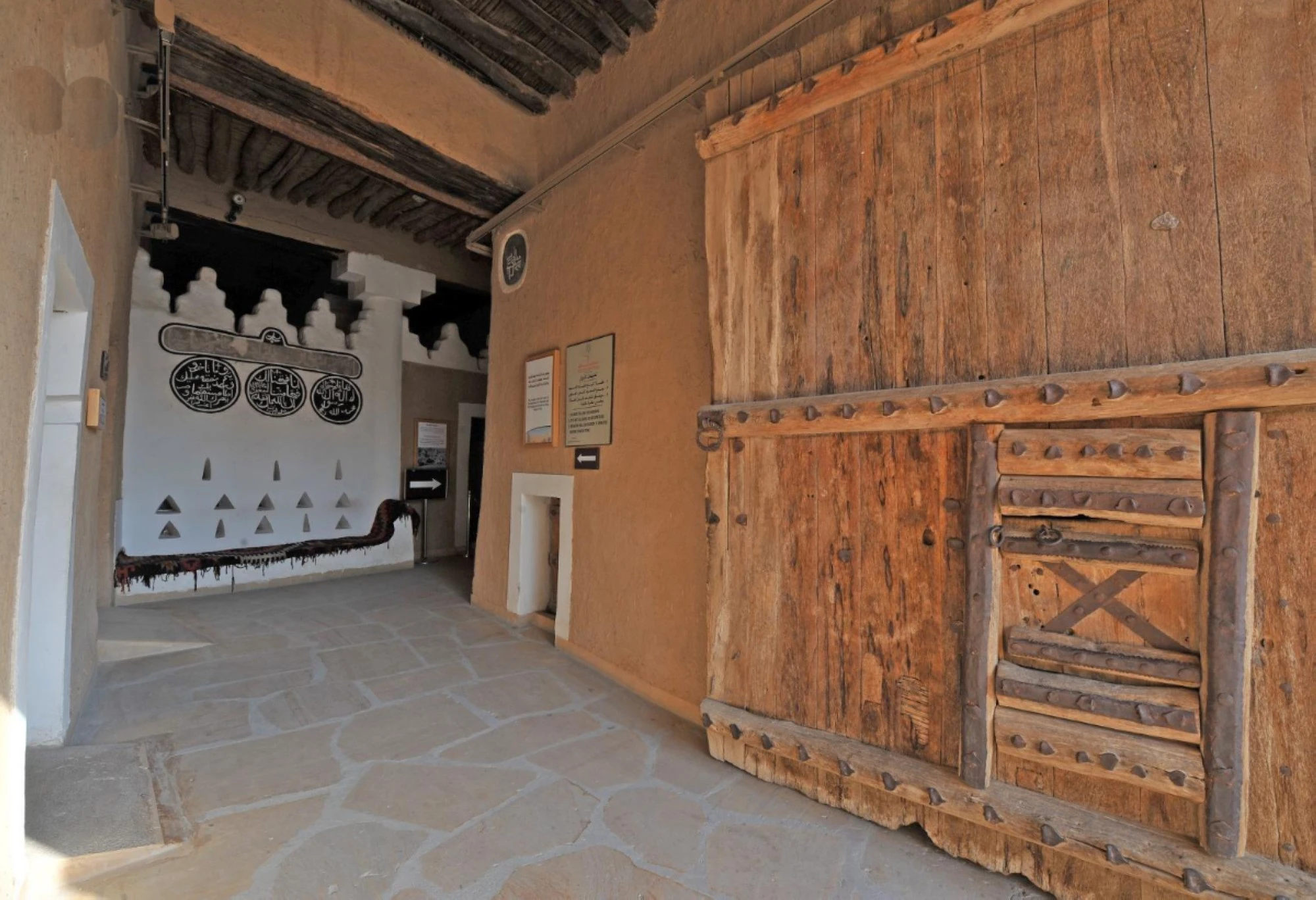
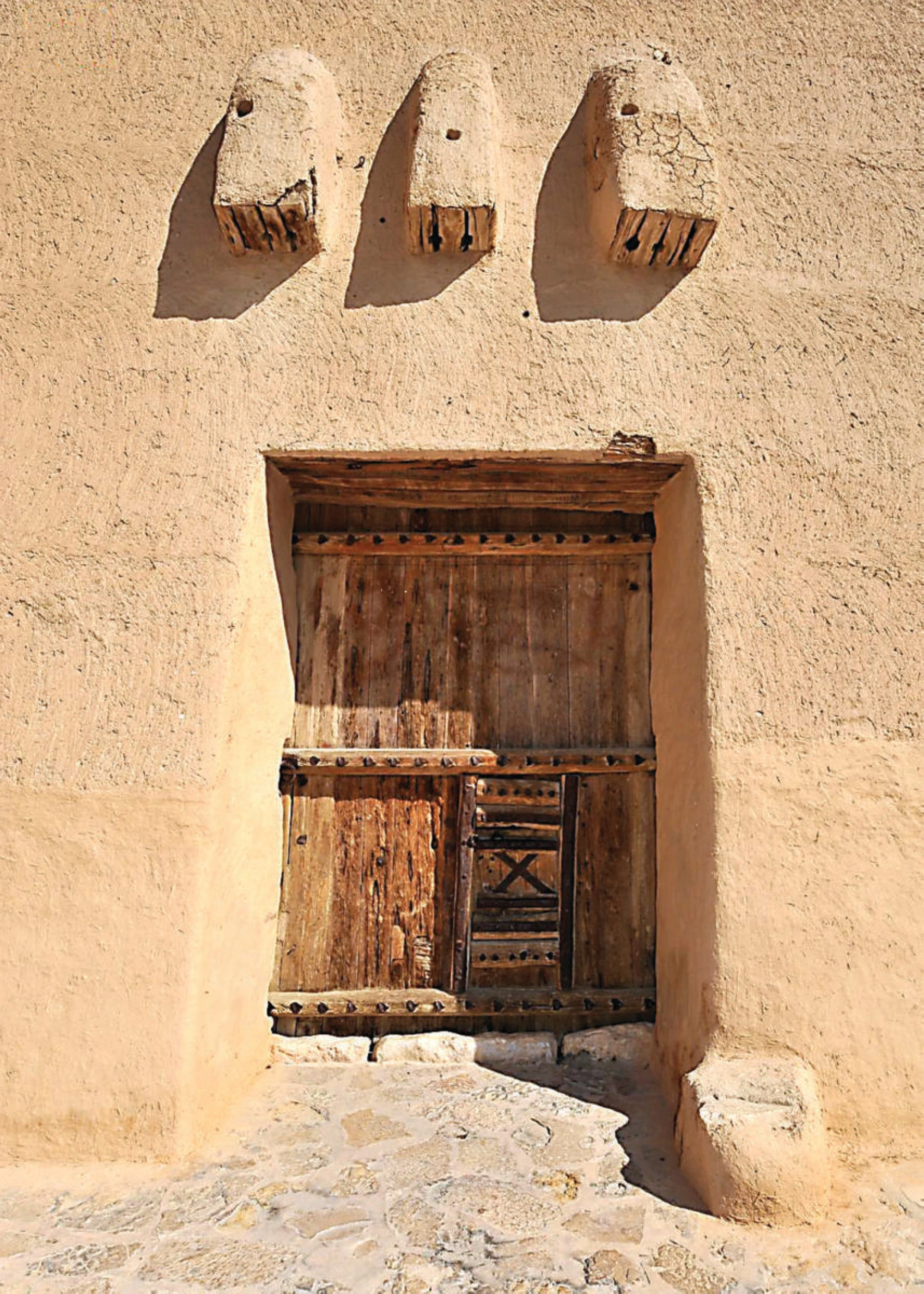
The palace has been transformed into a museum, offering visitors a vivid retelling of the Kingdom’s founding. This transformation came under royal directive, first initiated by King Salman bin Abdulaziz in 1979 during his time as governor of Riyadh, and brought to life with the museum’s official opening in 1995.
Spread across nearly 4,000 square metres, Al-Masmak is a masterpiece of traditional Najdi architecture. Visitors can admire clay and straw walls, tamarisk-and-palmwood doors, gypsum detailing, and shaded courtyards. With 44 rooms, six courtyards, and even its own mosque and water well, the site feels more like a fortress-palace hybrid than your average historic monument.
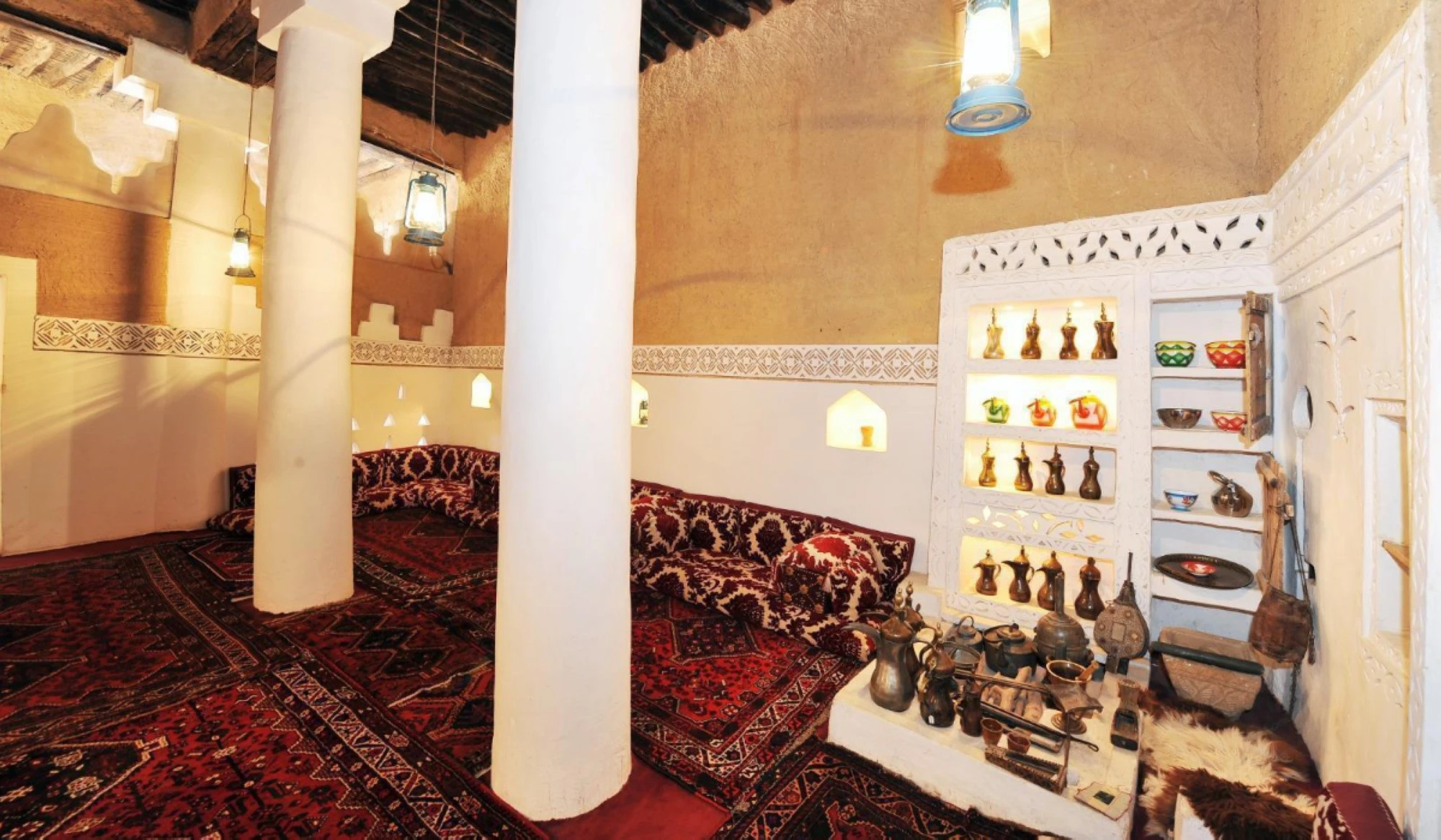
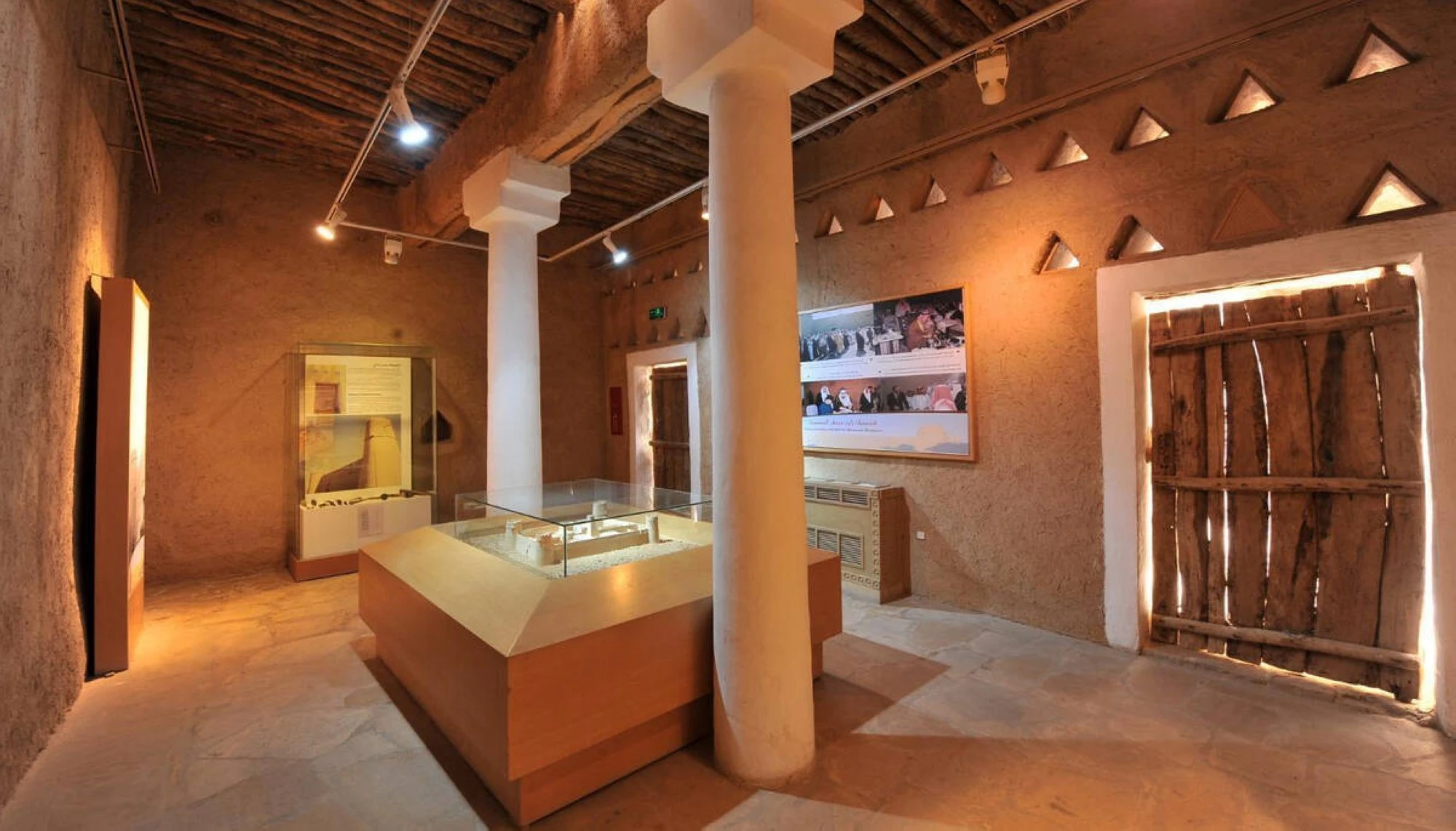
Exhibits are cleverly curated across dedicated halls. At Al-Masmak Conquest Hall, relics from the legendary 1902 battle are on display—old weapons, original maps, and rarely seen photos. Nearby, the audiovisual hall plays a bilingual documentary, while the Pioneers Hall pays tribute to the figures who supported King Abdulaziz’s return. The Historical Riyadh Hall charts the capital’s transformation through archival photography and cartography.
Elsewhere, courtyards showcase antique cannons, rooms filled with models of the fort’s construction, and galleries that highlight how Al-Masmak’s role has shifted over the decades, from weapons depot to cultural cornerstone.
Still overseen today by the Museums Commission under the Ministry of Culture, Al-Masmak continues to serve as a powerful symbol of unity, resilience and heritage.