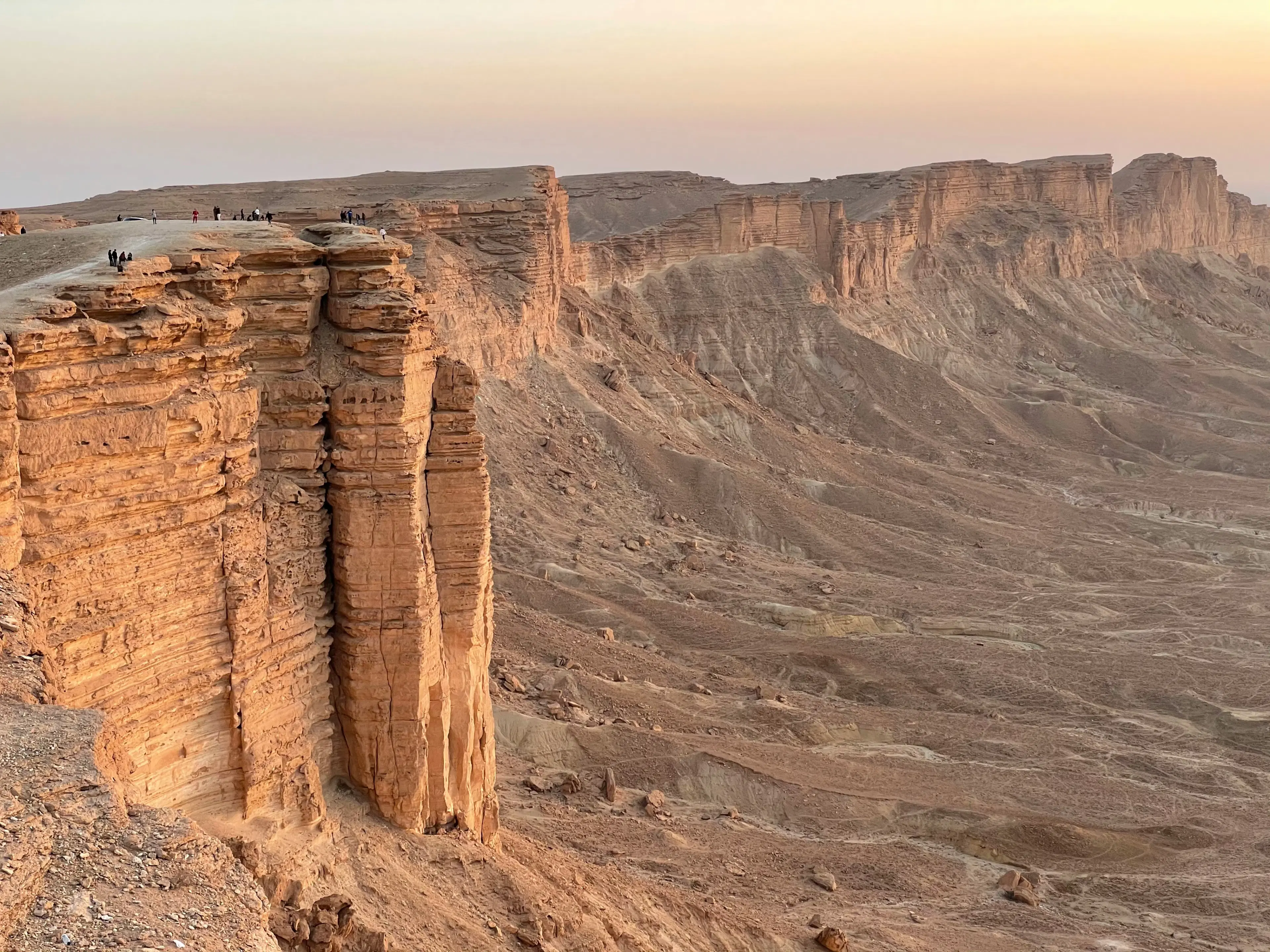
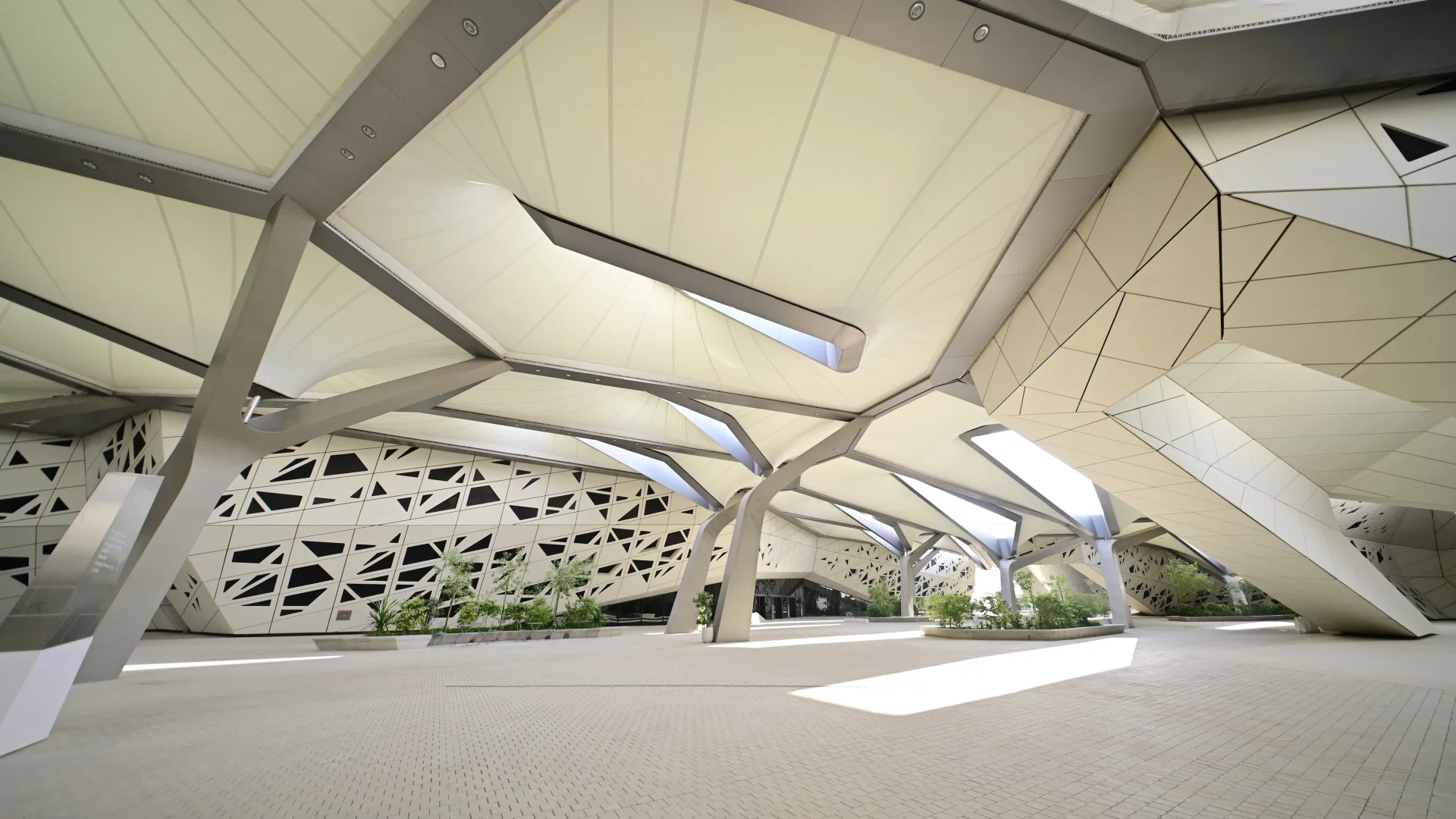




As long as you time your visit correctly (i.e. not the summer), Saudi Arabia is a great destination for hiking. From epic mountain vistas and underground caves to desert trails that have been used by Bedouin tribes for generations, walkers will find themselves spoiled for choice.
There are inner-city family-friendly hikes in cities like Riyadh or multi-day hikes in the desert that involve camping out under the stars. You can join tours, especially if you don’t have your own vehicle, or just head out into the wilderness with water, food and a tent.
Most of the trails below have been used by locals for years, and most are relatively well-trodden. On the weekends and holidays, you likely won’t be alone on the trails, but those seeking peace and quiet will be able to find it too.
1. Wadi Hanifah Trail
8km round trip; 2.5 hours; easy
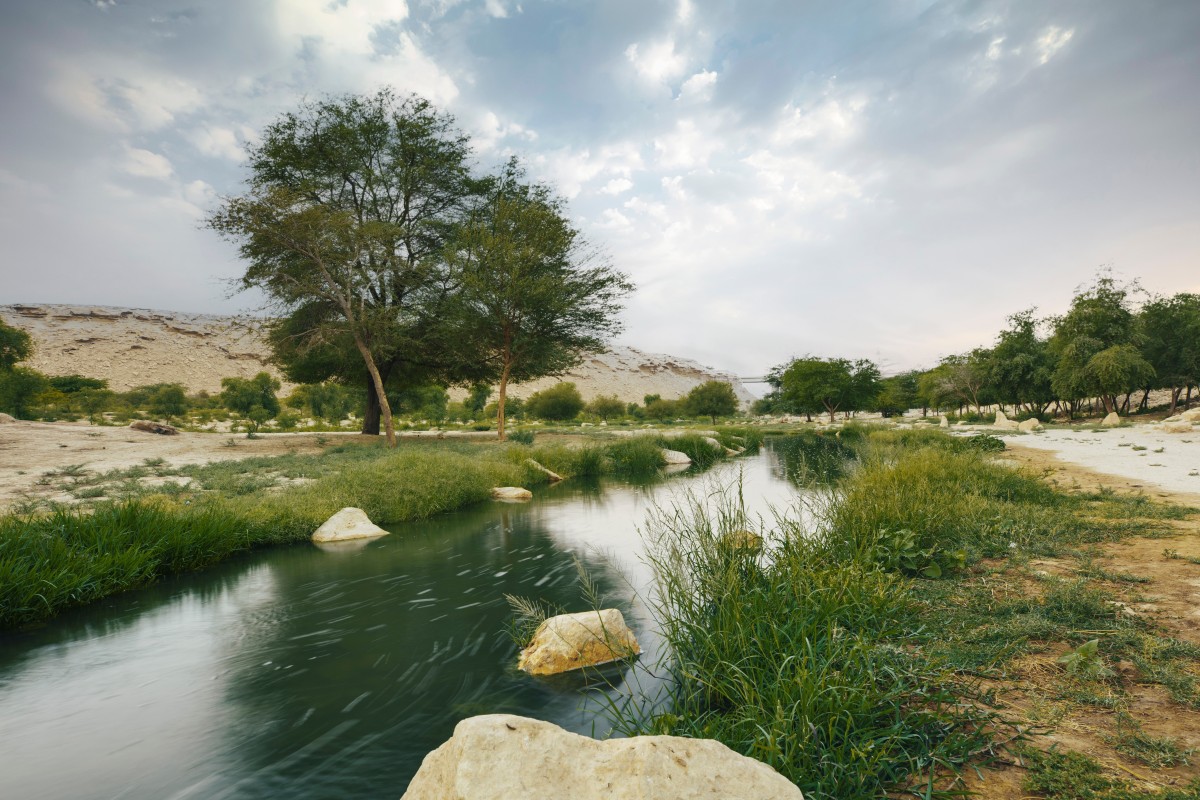
This easy hike is an 8km path along a small stretch of Riyadh’s Wadi Hanifah, the 120km valley that passes through the capital as well as Uyaynah, Irqah and Diriyah, and has provided fresh water to people in this part of Saudi Arabia since humans first began settling here.
The path runs south to north and includes a “lollipop” loop that takes hikers out into the desert. It is extremely popular on weekends and features many spots for barbecuing and picnicking. Like most wadis, the water at Wadi Hanifah is seasonal and it is dry for most of the year. That said, even when dry it is a relatively lush and green place to wander amid the bustle of the city.
2. Edge of the World Trail
6km round trip; 2 hours; moderate
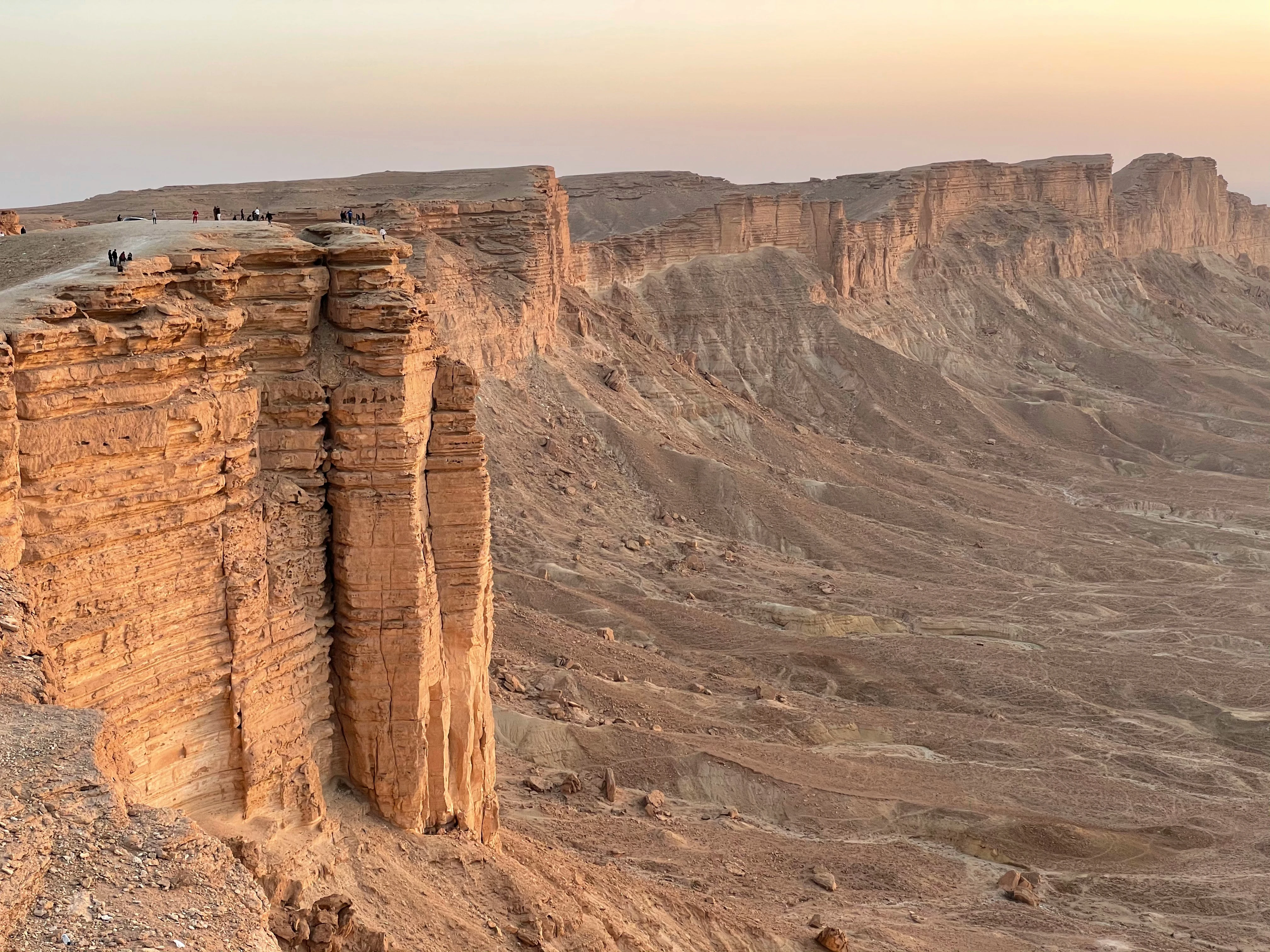
A two-hour drive out of Riyadh into the Tuwaiq Mountains, the Edge of the World Trail can be reached via the Sadus Dam or the Acacia Valley, the latter a popular camping destination in itself. Once you reach the trailhead at the top of the cliffs, you can hike to the bottom and admire the awe-inspiring views. You will also see that pillar, a huge tower of rock that is incredibly popular on Saudi Instagram feeds. There are pathways but no trails per se at the Edge of the World. Hikers can go as far as they like and return to the car park or find somewhere to camp.
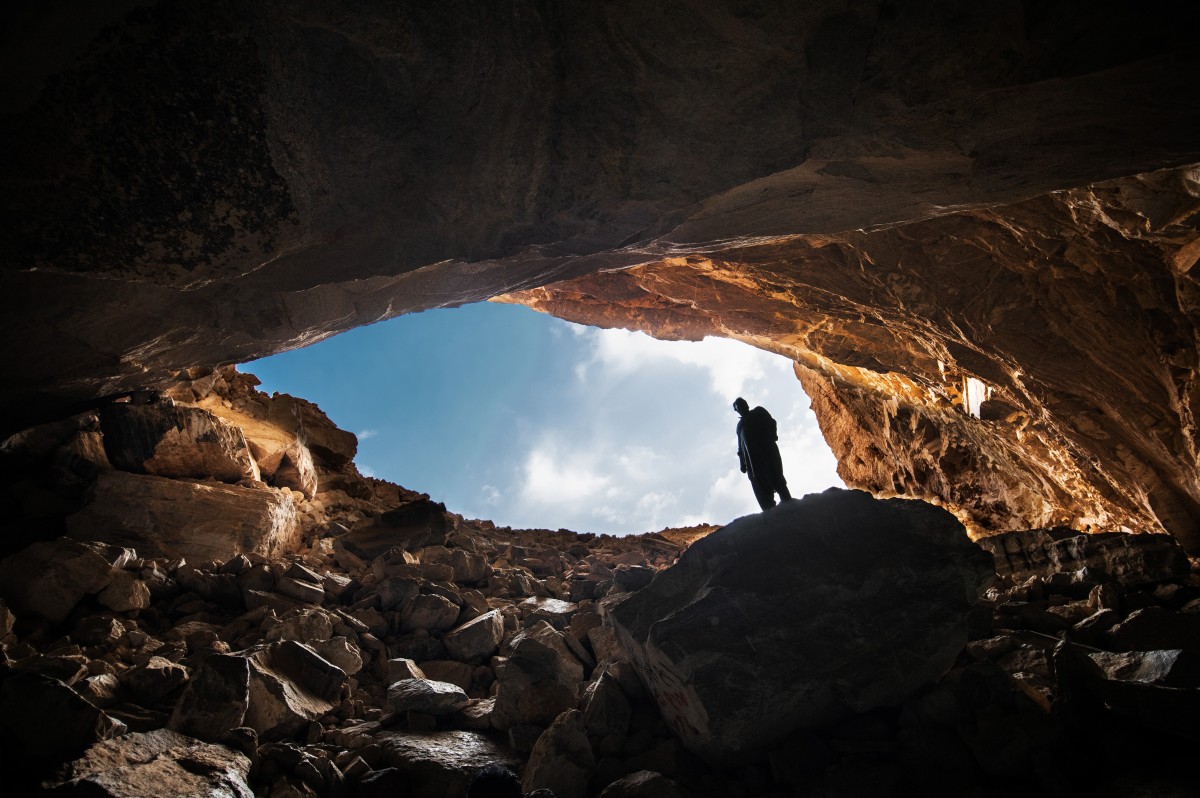
3. Heet Cave Trail
5km round trip; 2 hours; moderate
A natural cave located 30km southeast of Riyadh city, near Alkharj, Ein Heet is known for its limestone rock formations and underground lake. The cave gets its name from the similarity of the 20m-wide entrance to an eye. Once inside, the path follows a relatively steep descent and gets progressively darker. You will need a torch. The lake itself is in the central chamber of the cave.
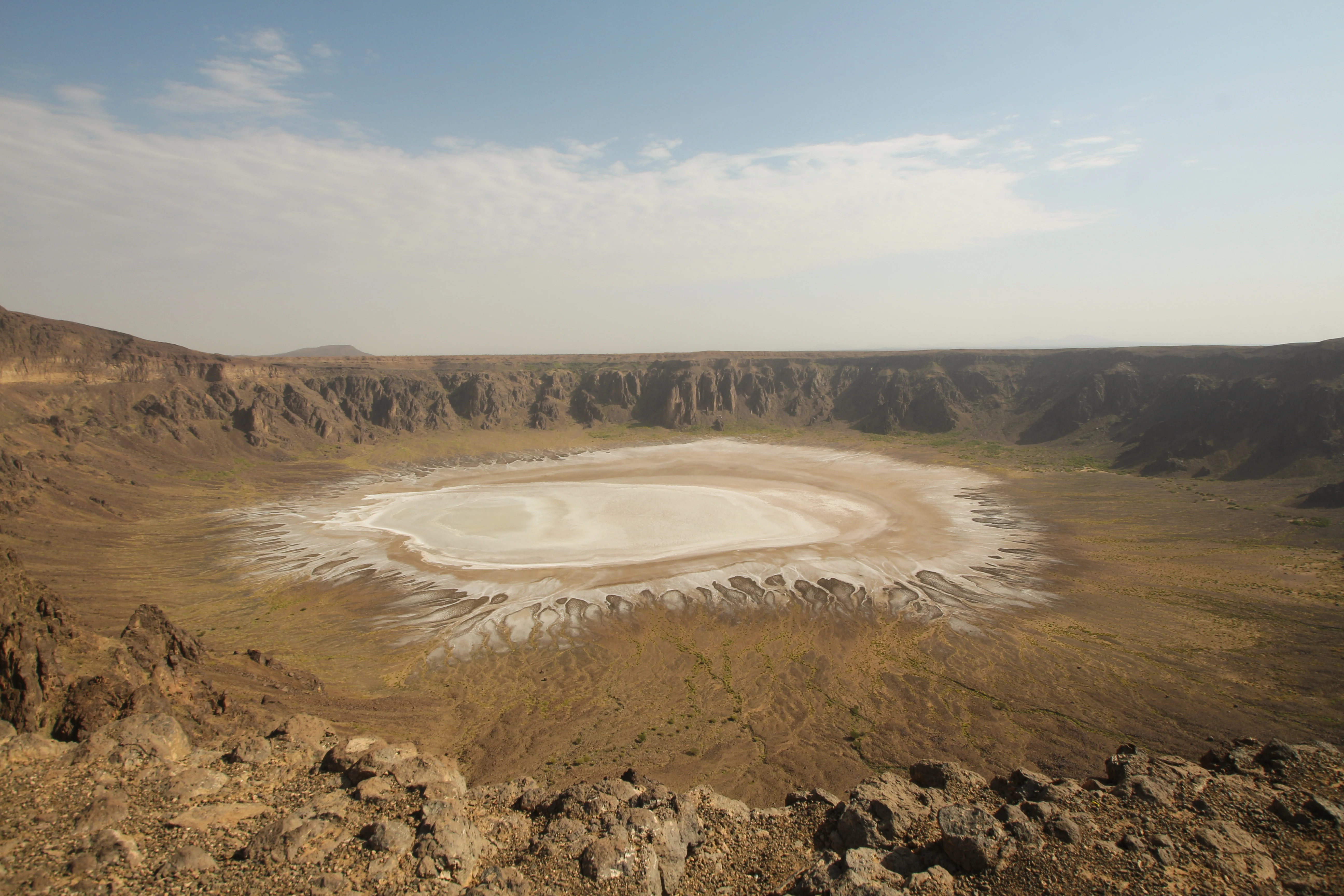
4. Al Wahbah
4km round trip; 1.5 hours; moderate
For those who like extinct volcanos (and who doesn’t?!), the Al Wahbah crater four hours north of Jeddah is a fantastic and relatively easy hike. The crater itself is around 250 metres deep and around two to four kilometres from one side to another. From the rim of the volcano, walkers can descend into the centre, which is white due to the presence of sodium phosphate crystals. The ascent is challenging and pathways are not in great condition.
Al Wahbah is very isolated and the visitor centre and toilets at the car park have now closed. There is also very little accommodation nearby, with the closest city, Taif, a two-and-a-half hour drive away. It was initially thought that the crater was formed by a meteorite but in the 1960s researchers discovered that it was actually caused by a massive underground explosion as volcanic magma came into contact with surface water.
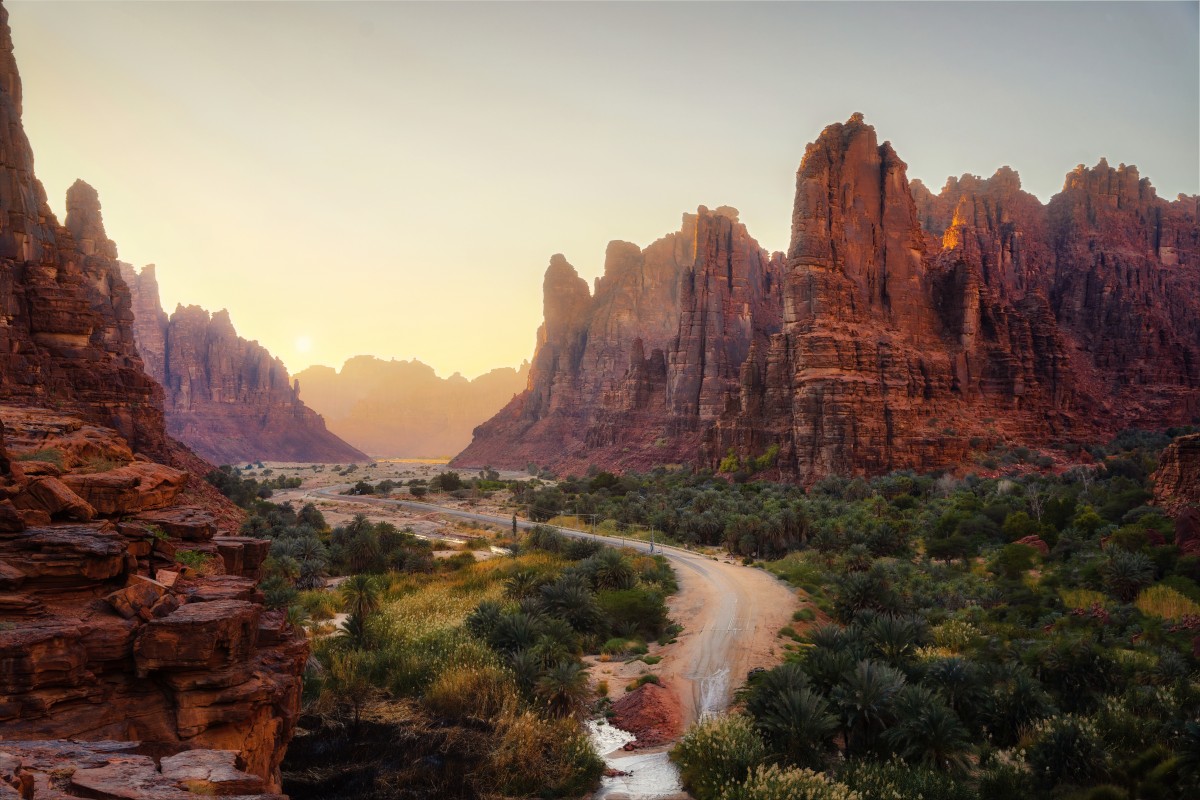
5. Wadi Al Disah
4-5 km round trip; 1.5/2 hours; moderate
A mountainous area some 4km from the city of Tabuk, much of Wadi Al Disah is part of the Prince Mohammed bin Salman Nature Reserve and is popular due to its relatively mild temperatures even during summer. There are remains of Nabataean settlement in the village of Disah as well as several ancient Arabic settlements. You can reach Al Disah in around four hours from AlUla, but 10km outside of the village the paved road stops.
If you have a 4X4 you could continue from here, otherwise, local drivers offer rides into the wadi. Cliffs rise vertically from either side of the trail, which is lined by palm trees and other plants. There are several camps in the area of the Wadi, but most hikers stay in nearby Tabuk.
Although the bulk of the trip is done via 4X4 – either your own or someone else’s – there are some trails in the wadi including the Hidden Veranda, a rock formation in the centre of the valley that provides excellent views over the surrounding landscape, and the Wadi Al Disah rock, which has engraved writing and murals by settlers in this area from three millennia ago.
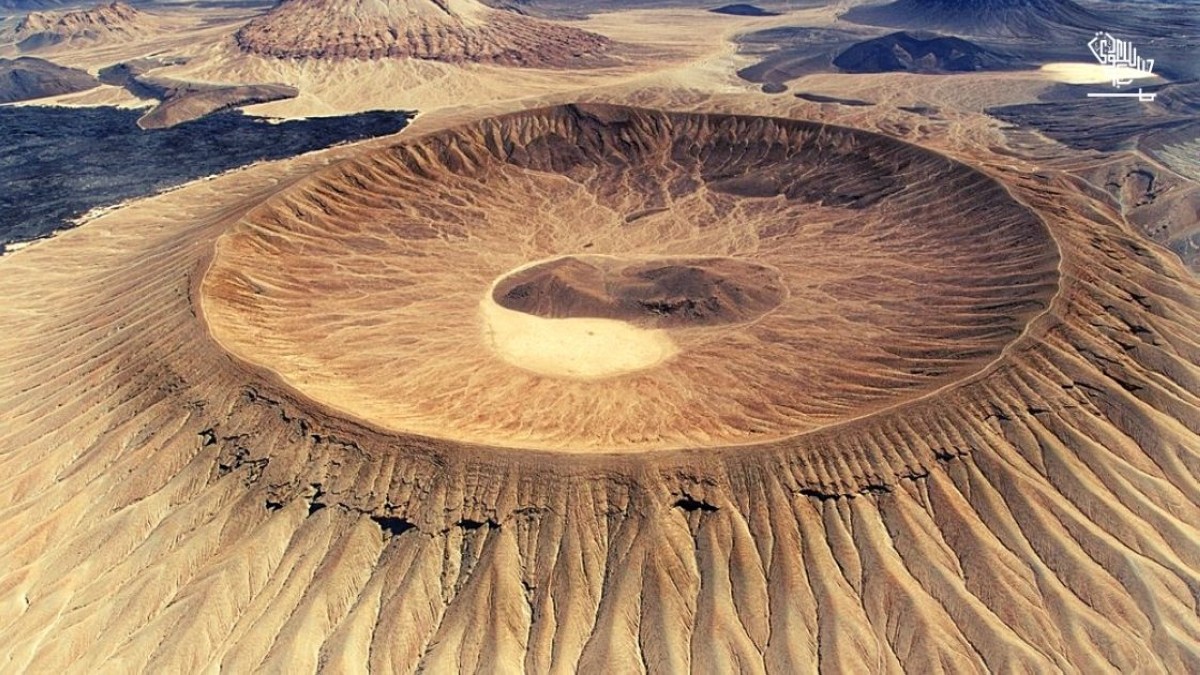
6. Jabal Abyad
4km round trip; 2-4 hours; difficult
Saudi Arabia’s tallest volcano is known as “White Mountain” in Arabic and is just off the highway near the town of Bisha. It is the most challenging of the hikes and involves some scrambling over rocks and unmarked trails to the summit, which is coated in white volcanic ash. The mountain, which is just over 2,000 metres, is one of the Seven Natural Wonders of Arabia.