





The European Union is fundamentally changing how it manages its external borders through the introduction of two complementary digital systems: the Entry/Exit System (EES) and the European Travel Information and Authorisation System (ETIAS).
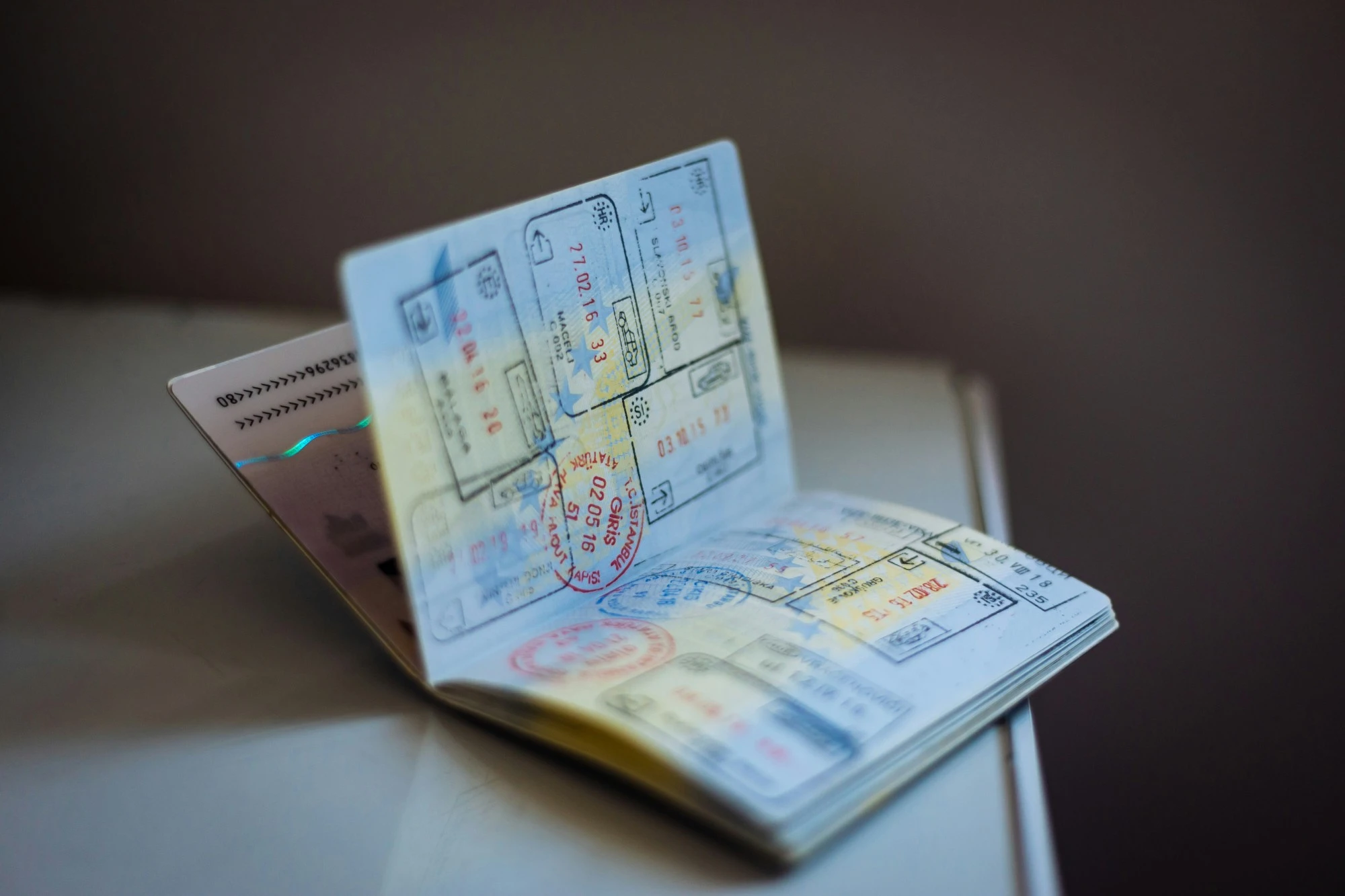
The era of passport stamps is over, making way for what is hoped to be, a more seamless, visa-free movement across Europe.
Beginning from October 12, 2025, several EU nations began phasing in these new entry-exit operational procedures. And, these digital checkpoints have now reached full implementation as of April 10, 2026; airport officials and European travel authorities continue to advise travellers to allocate additional time for border processing.
Why are these changes being implemented?
Following years of development and multiple delays, the European Union is now set to roll out a comprehensive new digital border control.
This sweeping change, affecting non-EU citizens globally, marks a pivotal moment in the governance of the Schengen Area, prioritising collective security and automated compliance over the traditional, manual process of stamping passports. The implementation of this sophisticated digital system, similar to that found in the United States, promises to redefine border checks, demanding pre-travel authorisation and biometric registration for hundreds of millions of travellers from around the world.
It is important to note that these entry/exit policies and systems are not new. These systems have been regularly implemented across the world including in destinations such as the USA, Singapore and the United Arab Emirates. And multiple destinations use facial recognition in the form of eGates, making customs and entry quicker for both citizens and non-citizens. For these European states, this shift in visa and entry regulations has been designed to modernise security, enhance border control efficiency, and better track non-EU nationals travelling within the Schengen Area.

What is the EES?
The Entry/Exit System (EES) will be the part of this digital border upgrade to be rolled out, the process began on October 12, 2025 with a phased implementation. It is expected that by April 10, 2026, the EES will be fully operational across the 29 participating European countries. The EES will digitally register non-EU nationals visiting the Schengen Area for short stays (up to 90 days within 180 days)
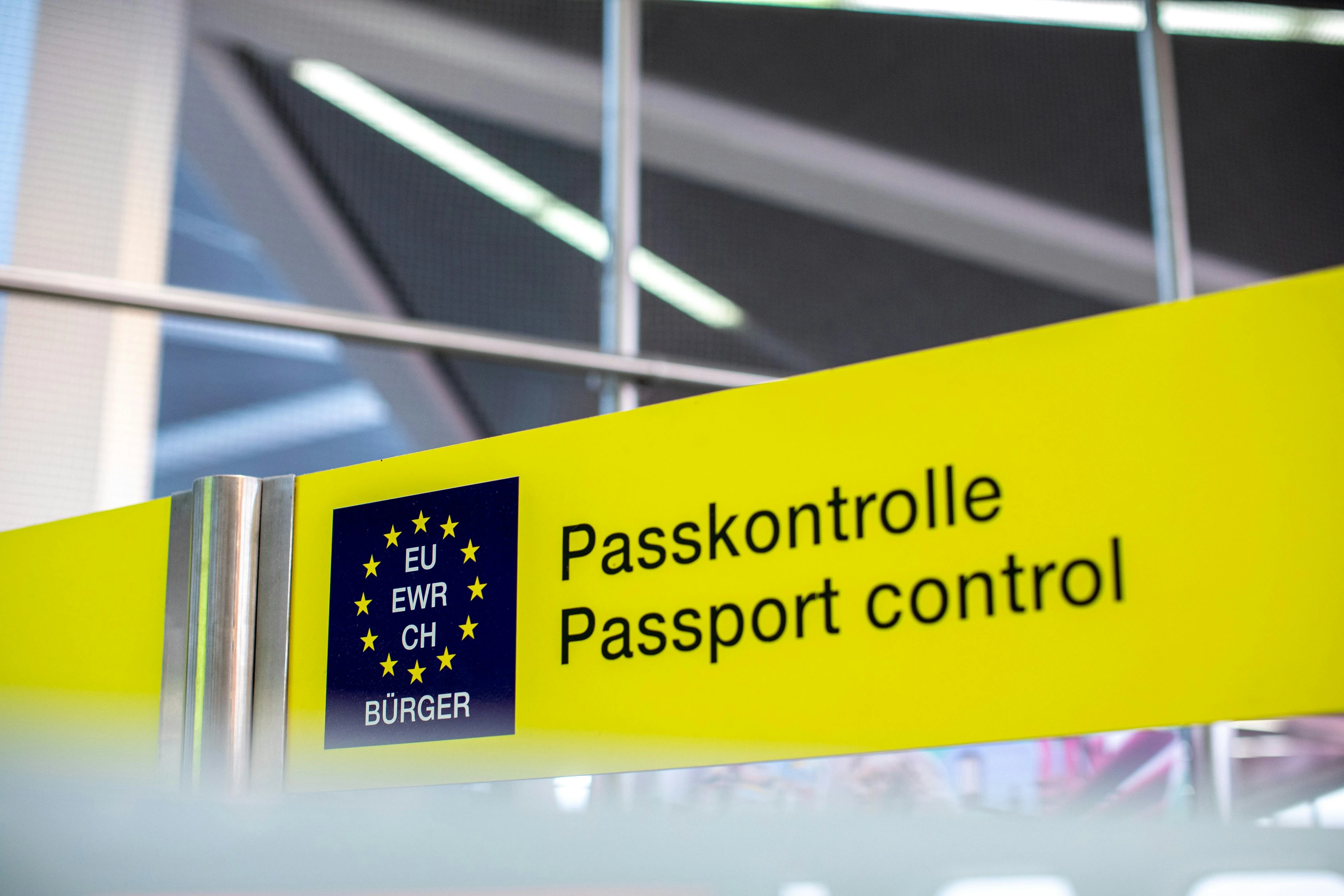
A centralised IT identification system, EES will essentially digitise border control for all non-EU nationals — both those who require a visa and those who are visa-exempt — traveling for a short stay (up to 90 days in a 180-day period). This new policy will replace manual passport stamping with electronic registration, by collecting biometric data, specifically facial images and fingerprints, on a traveler's first entry. This data is logged on the digital system and linked with the traveller's passport or identity documents.
The EES will automatically track the traveller's time spent in the Schengen Area, ensuring strict compliance with the short-stay limit and helping to quickly identify overstayers.
The countries participating in the EES are:
- EU Schengen Member States (26): Austria, Belgium, Bulgaria, Croatia, Czechia, Denmark, Estonia, Finland, France, Germany, Greece, Hungary, Italy, Latvia, Lithuania, Luxembourg, Malta, Netherlands, Poland, Portugal, Romania, Slovakia, Slovenia, Spain, Sweden.
- Non-EU Schengen Associated States (4): Iceland, Liechtenstein, Norway, Switzerland
(Note: Ireland and Cyprus are EU member states but will not participate in the EES.)
What is the ETIAS?
The the European Travel Information and Authorisation System (ETIAS) is the new travel authorisation for visa-exempt travellers to enter 30 European countries. Set to be the second major component of Europe's new digital border strategy ETIAS is a pre-travel permit slated for complete launch in the last quarter of 2026.
ETIAS will be a mandatory digital authorisation required for nationals of approximately 60 countries that currently enjoy visa-free entry to European states, including citizens and passport holders from the United States of America, the United Kingdom, Canada, and Australia. It is very important to note that travellers to Europe, even with visa free travel, must apply for this entry-exit waiver online before their trip, submitting personal and security details.
Crucially, ETIAS is not a visa, but a sophisticated pre-travel security screening mechanism designed to identify potential risks and unauthorised travellers before they reach the border. Once approved, the authorisation is valid for multiple short-term stays over three years or until the associated passport expires.
The application incurs a one-time fee of €20, which is waived for individuals under 18 or over 70 years old.
Together, these two systems — the biometric tracking of the EES in collaboration with the advanced vetting of ETIAS — aim to bolster European security while ensuring that compliant travellers experience a faster, more streamlined entry process once the transition phase is complete.
The full roll out of the EES systems will be completed by April 10, 2026. Learn more about EES here
While the full roll out of the ETIAS systems will not be completed until Q4, 2026. Learn more about ETIAS here.
Learn more via europa.eu