


Abha is known throughout the Kingdom for its glorious weather, and Saudis flock here year-round to make the most of the mild temperatures, fresh breezes and sunny days. In winter, it’s cool enough for mountain excursions, bracing walks and outdoor adventures. And even at the peak of summer, it’s rarely hotter than 30°C, meaning you can enjoy summer festivals, dining on outdoor terraces and exploring the city’s parks and attractions. This is everything you need to know about what’s on and when (and the weather!) in Abha.
November to March is the best time for outdoor activities
Green spaces abound in Abha, from grassy parks to tree-lined walkways, and the city’s coolest months – November to March – are the ideal time to make the most of them. Visitors can expect bright, sunny days, with an average daytime temperature of around 15°C. So whether your Abha itinerary includes a wander along Art Street, exploring Shamsan Castle or shopping in the open-air Tuesday Market, you can rely on great weather for it.
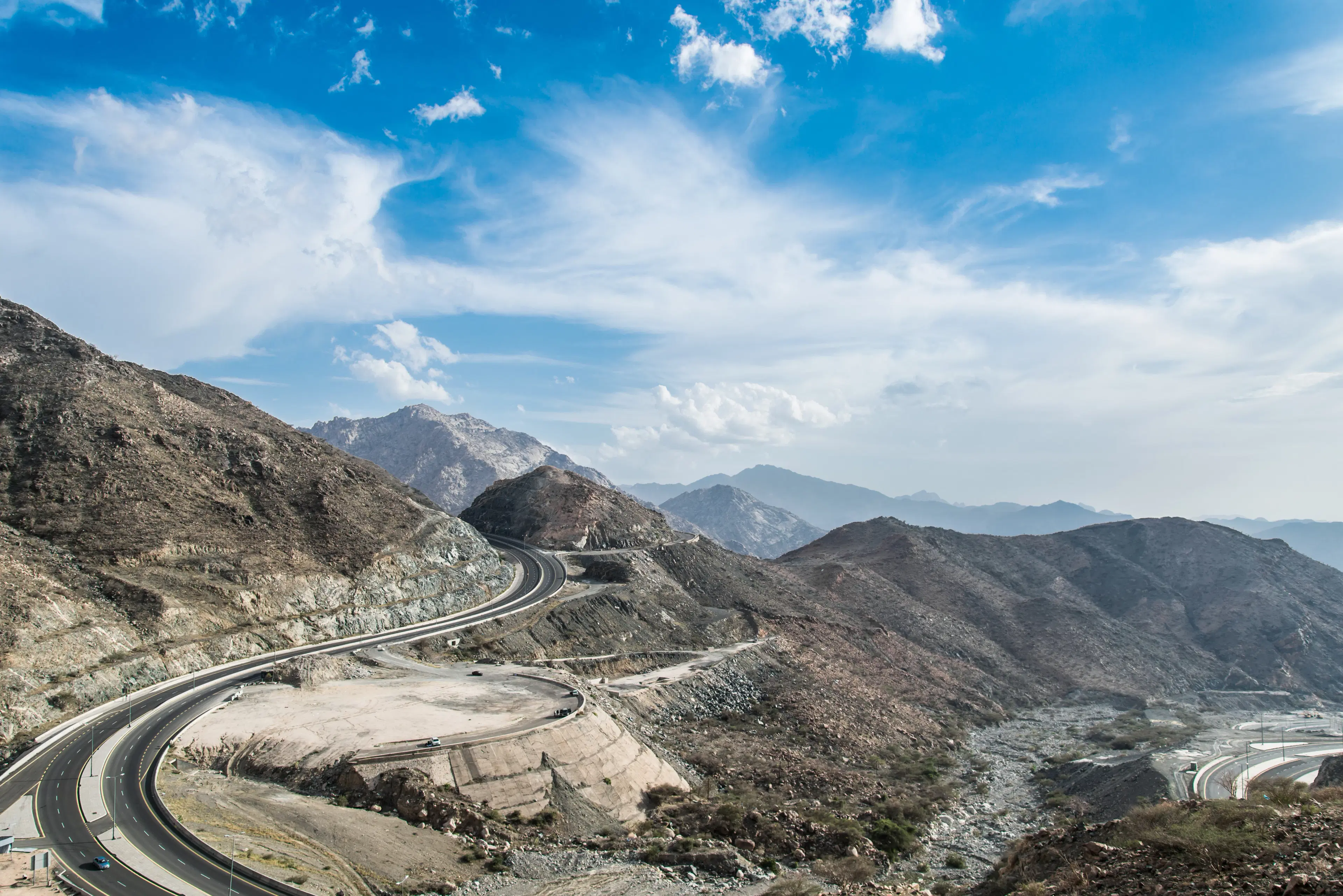
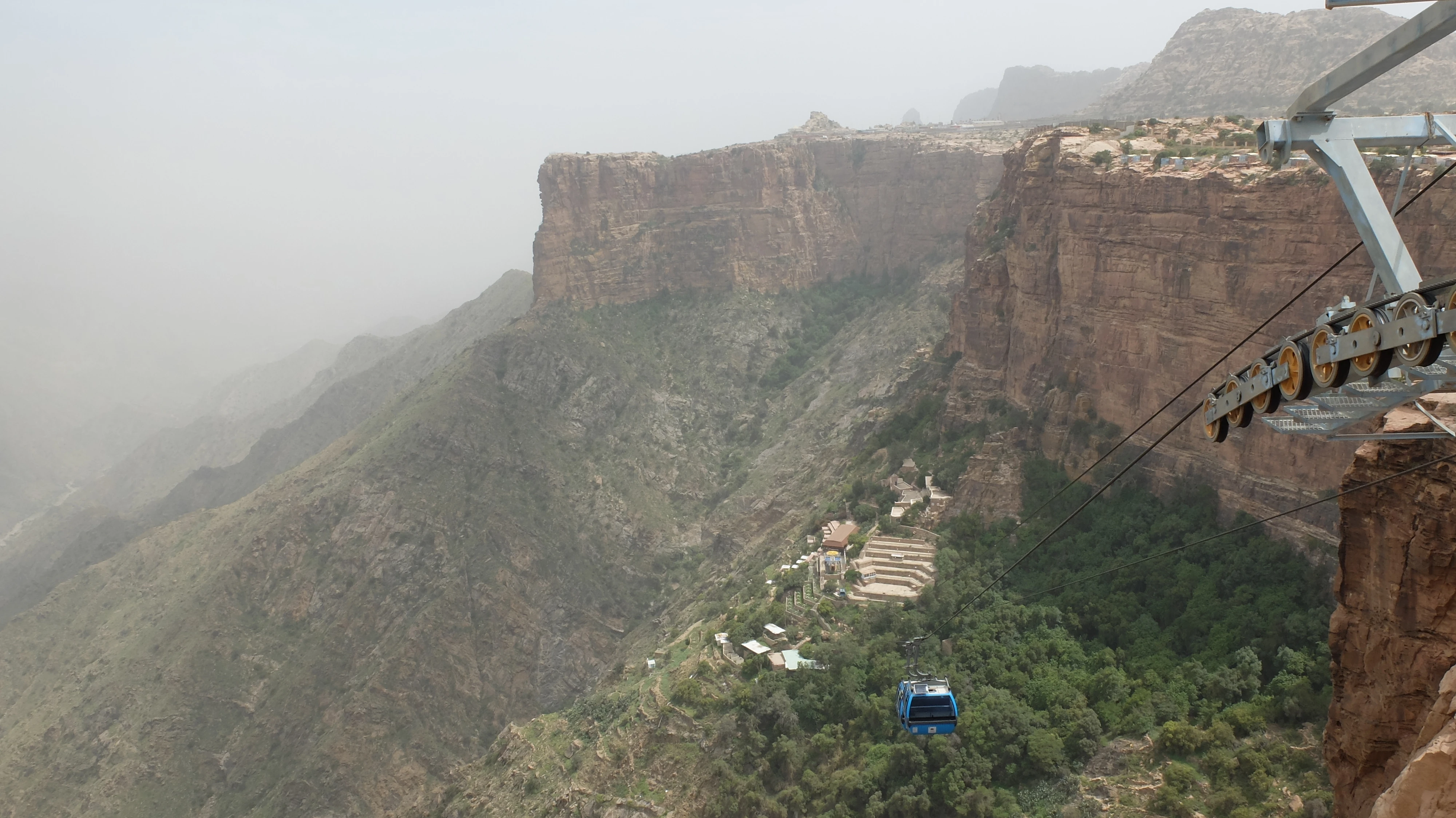
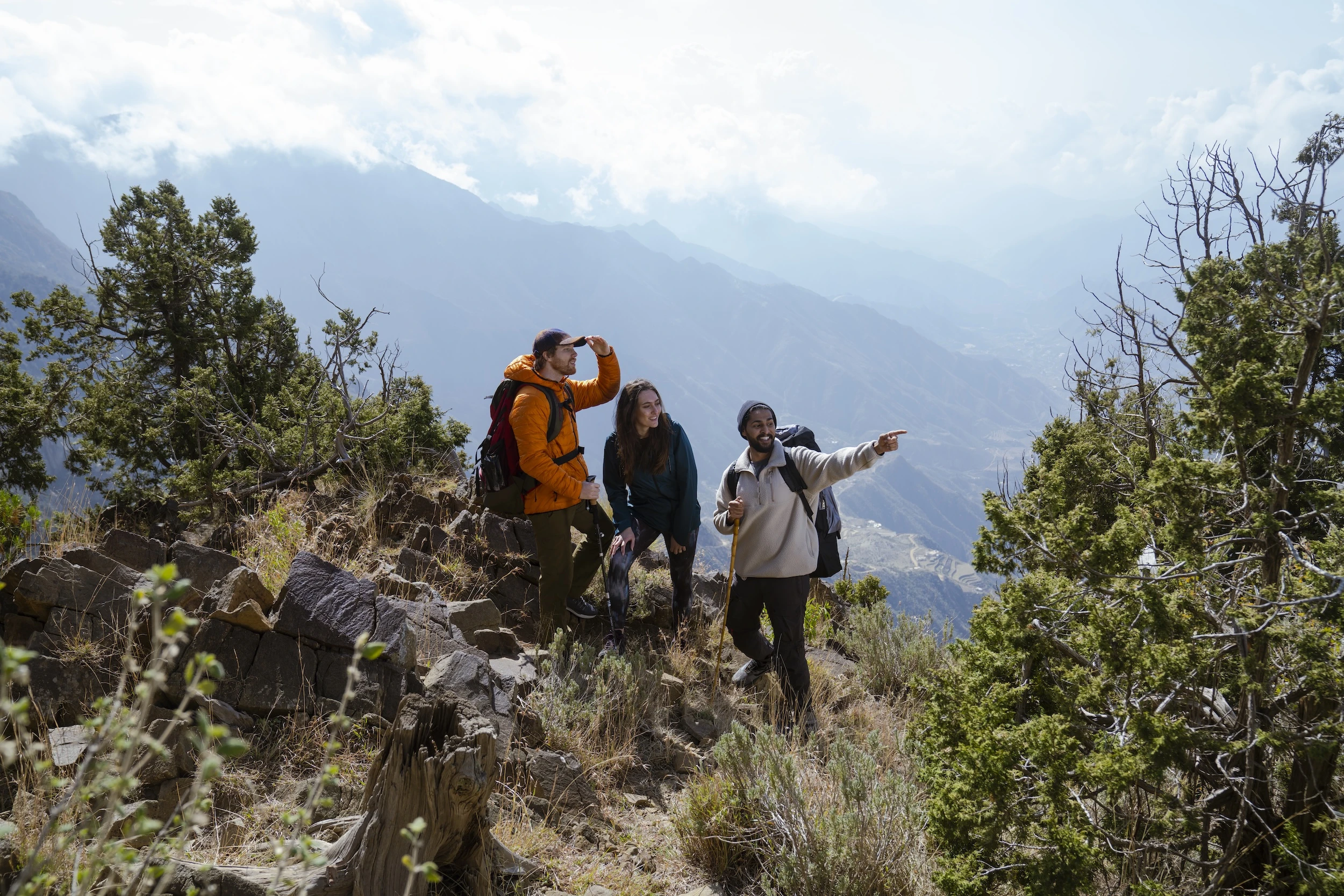
Since you can reach the Asir mountains in less than an hour by car, many visitors also use Abha as a jumping-off point for outdoor excursions at this time of year. November to March is a peak time for visits to heritage villages such as Rijal Almaa and Al Habala and hikes in Aseer National Park. If you are planning a trip to the mountains, remember to bring extra layers as temperatures can be cold, even dropping below freezing overnight.
Naturally, as it’s such a popular time to visit Abha, the city may feel more crowded and hotel prices creep up. It’s also a good idea to book tour guides and drivers well in advance.
Pros: The deliciously cool weather and endless options for outdoor activities, both in and out of the city.
Cons: It can get chilly during these months, especially after nightfall.
July to September is the best time for beating the heat
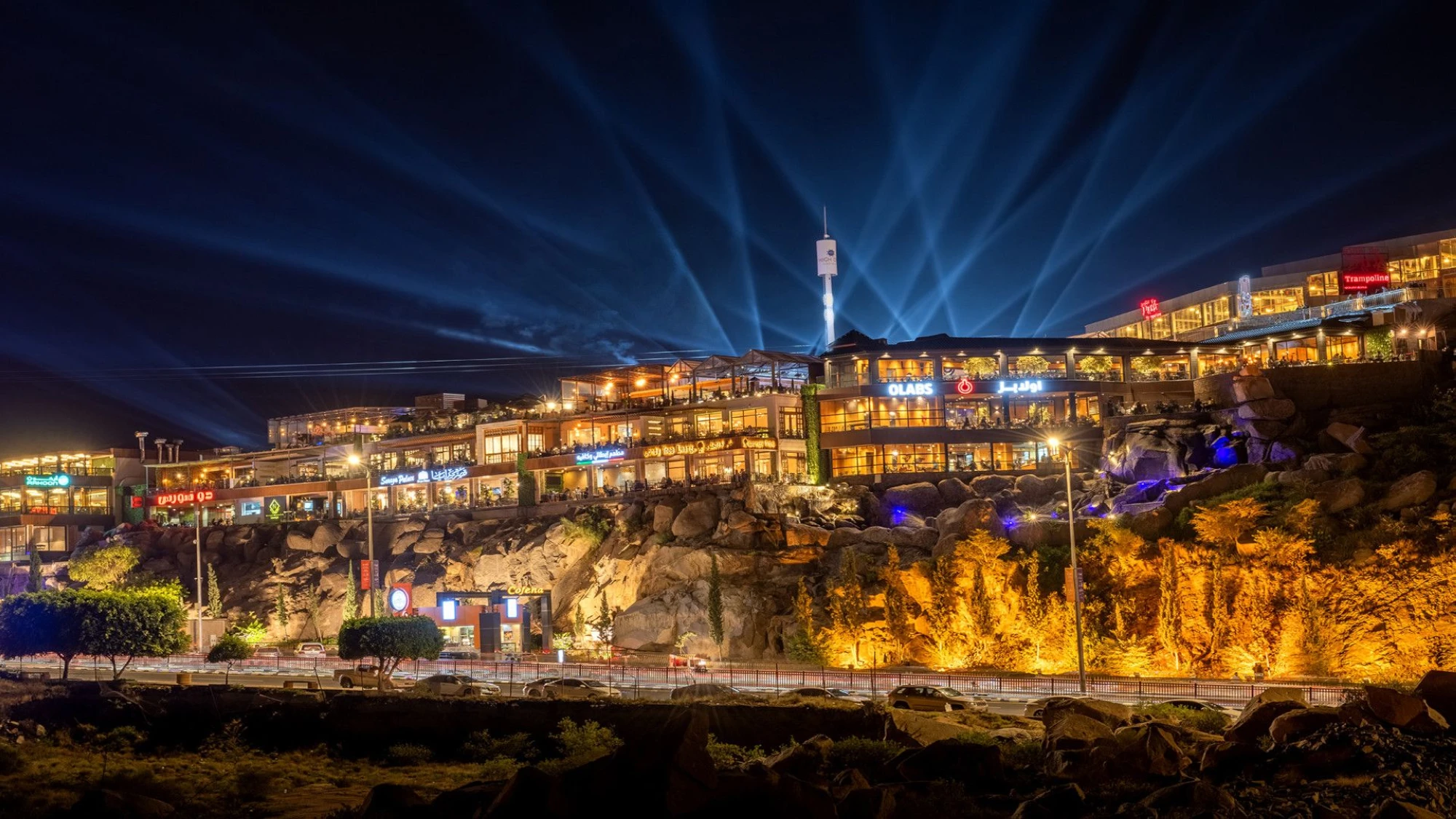
As the rest of Saudi Arabia really starts cooking, Abha becomes a haven for tourists, especially domestic travellers and those from the wider Middle East. It’s one of the few destinations in the region where outdoor activities are still a pleasure, as even in the hottest months, it rarely gets warmer than 30°C. The evenings are blissfully long and cool.
Several events also take place between July and September. Aseer Season is on during the summer months, and many of its music, entertainment, sports and culture events are held in Abha. In September, Rijal Almaa’s Flower Men Festival draws in big crowds to celebrate Aseeri folk traditions – in particular the floral crowns worn by the men of the local Qahtani tribe.This is definitely one of Abha’s busiest periods (in contrast to the rest of the country), so expect crowds and higher prices than elsewhere in the year.
Pros: There’s a great summer holiday atmosphere and heaps to do.
Cons: It’s not the cheapest time of year to visit, and hotels book up early.
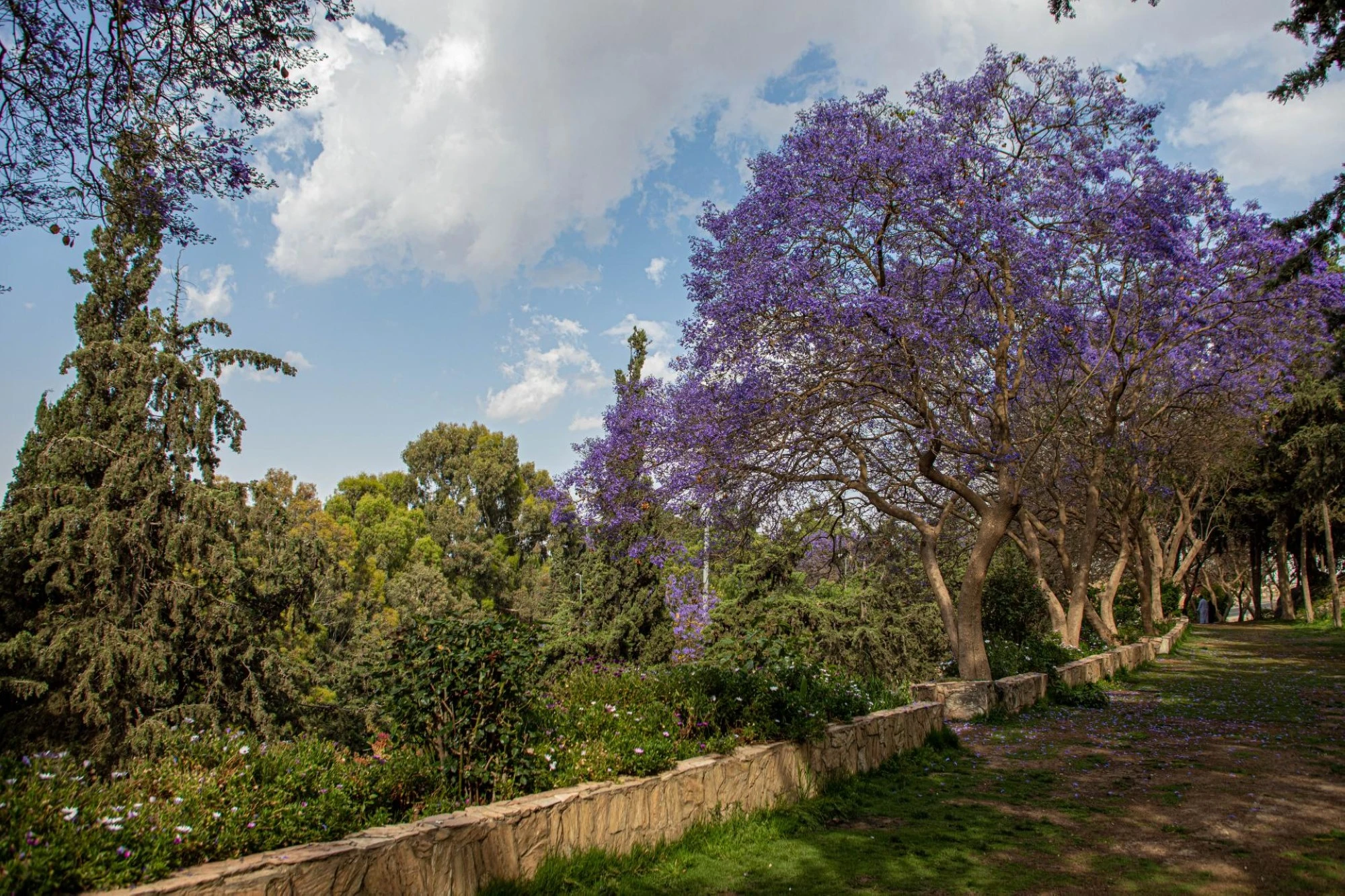
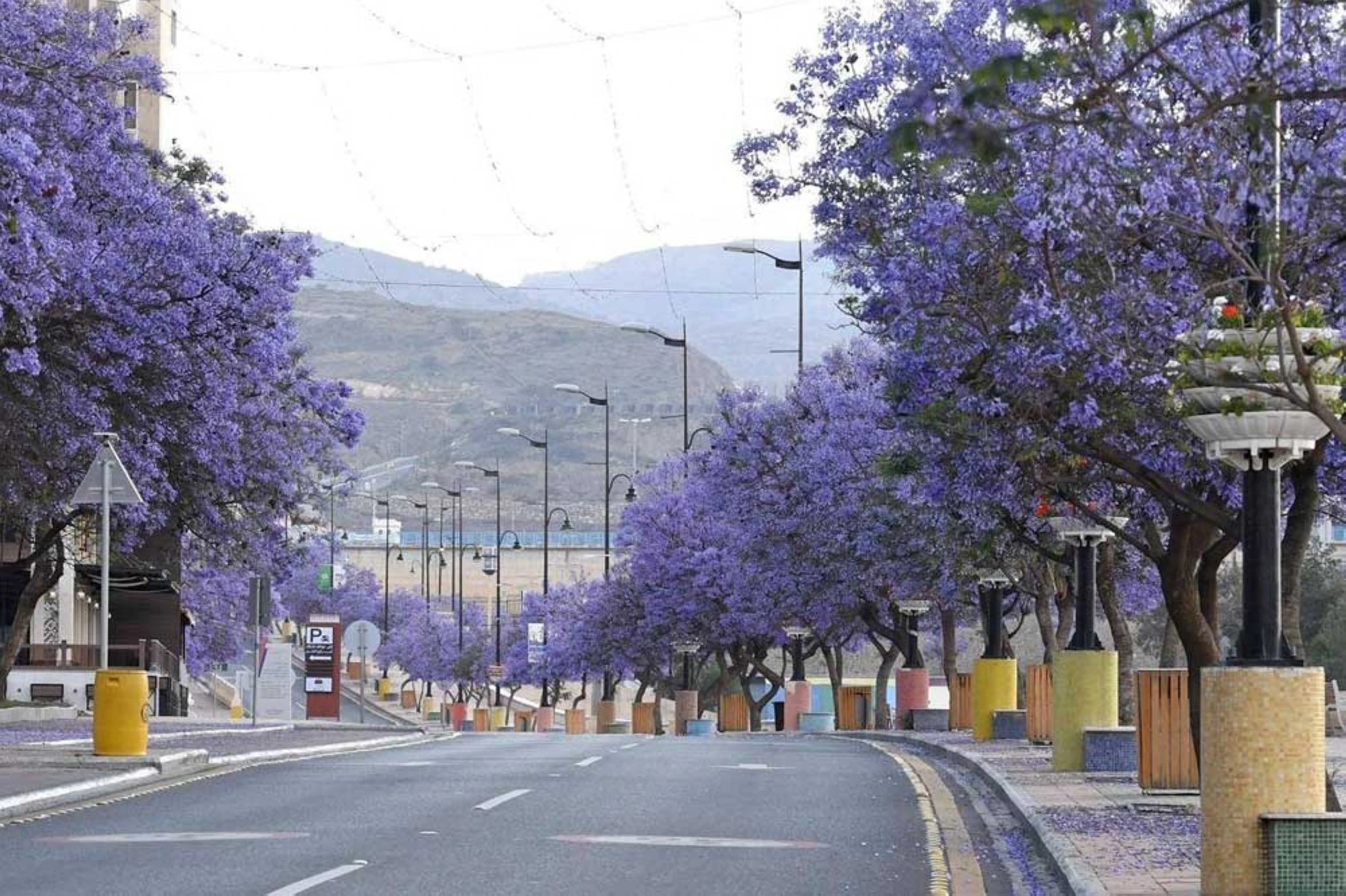
April to May is Abha’s jacaranda season
Abha’s scenery is pretty spectacular year-round, but April and May are really stand-out months. This is when the city’s beautiful jacaranda trees bloom and the purple blossoms can be seen everywhere in the parks and streets across town. Some of the most impressive trees are in Abu Kheyal Park and Andalus Park, and the best time to go is in the first two weeks of May. Weather-wise, this is one of the few times of year that Abha experiences rainfall, but it’s generally light and infrequent. Daytime temperatures hover around 25°C. It’s shoulder season, so there are few crowds and you can save on hotel bills.
Pros: It’s the time to see Abha at its prettiest as the jacarandas bloom.
Cons: Some travellers might be put off by the chance of rain.
October is the best time for peace and quiet
If you’re the kind of traveller who likes the feeling of having a place to yourself, then October is the month to pick. It’s not a big time for tourism in Abha, as there are no major events. The weather is sunny and fresh, remaining around 20°C, but this is the second time of year when there’s usually a little rainfall. If that doesn’t bother you, then it’s a fantastic time for peaceful walks and uncrowded tourist sites. And as an extra bonus, it’s one of the cheapest times of the year to visit.
Pros: Low prices and fresh, sunny weather.
Cons: Abha isn’t as lively as at other times of the year


Religious holidays: Ramadan, Eid al-Fitr and Eid al-Adha
Many people avoid travelling in Ramadan for obvious reasons – those who are fasting are likely to be focusing their energy on spiritual life during this holy month. And as businesses and attractions are often closed and it’s not permitted to eat or drink in public during the day, non-Muslims can find it a tricky time to visit Saudi Arabia. However, there are plenty of positives to travelling in Abha during this period too.
The nightly Iftar meals (non-Muslims are often welcome) are a chance to experience the culture, join the celebrations and try lots of new seasonal festive dishes. Ramadan follows the Islamic lunar calendar and will fall from mid-February to mid-March in 2026. The country’s major holidays are Eid al-Fitr, at the end of Ramadan and Eid al-Adha, which is June 6-10 in 2025 and May 26-30 in 2026. Early bookings are essential in these periods, and you can expect crowds, a celebratory atmosphere and high prices.