



Every year, Skytrax, a leading aviation consultancy, ranks the best airports across the globe. And the results for 2026 have just been released.
These annual rankings are audited by Skytrax professionals, and are based on a variety of factors such as passenger satisfaction. Evaluated by a team, and also by the public and passengers, the combined awards body evaluates aspects of the airport itself, such as cleanliness, accessibility, shopping, dining, and overall quality of the service in the airport. Skytrax’s World Airport Awards are based on millions of passenger reviews, assessing airports on customer service, cleanliness, security efficiency, shopping, dining, and overall experience. The rankings provide valuable insights into global aviation trends, helping travellers choose the best airports for their journeys.

The Skytrax World Airport Awards are a respected awarding body and the listings are considered the most prestigious in the industry, reflecting millions of traveller reviews. Its undeniable in the modern, post-Covid era that airports are more than just transit hubs, they shape the entire travel experience, and should offer travellers efficiency, comfort, and world-class amenities.
Rather shockingly, this year, Doha's Hamad International Airport dropped from second place out of the top ten rankings completely. In fact, Qatar's main hub no longer features on the list of the Worlds 100 Best Airports in a drastic shake up of the rankings.
Here’s a look at the top 10 airports in the world, as recognised by Skytrax for 2026
The Best Airports in the World 2026
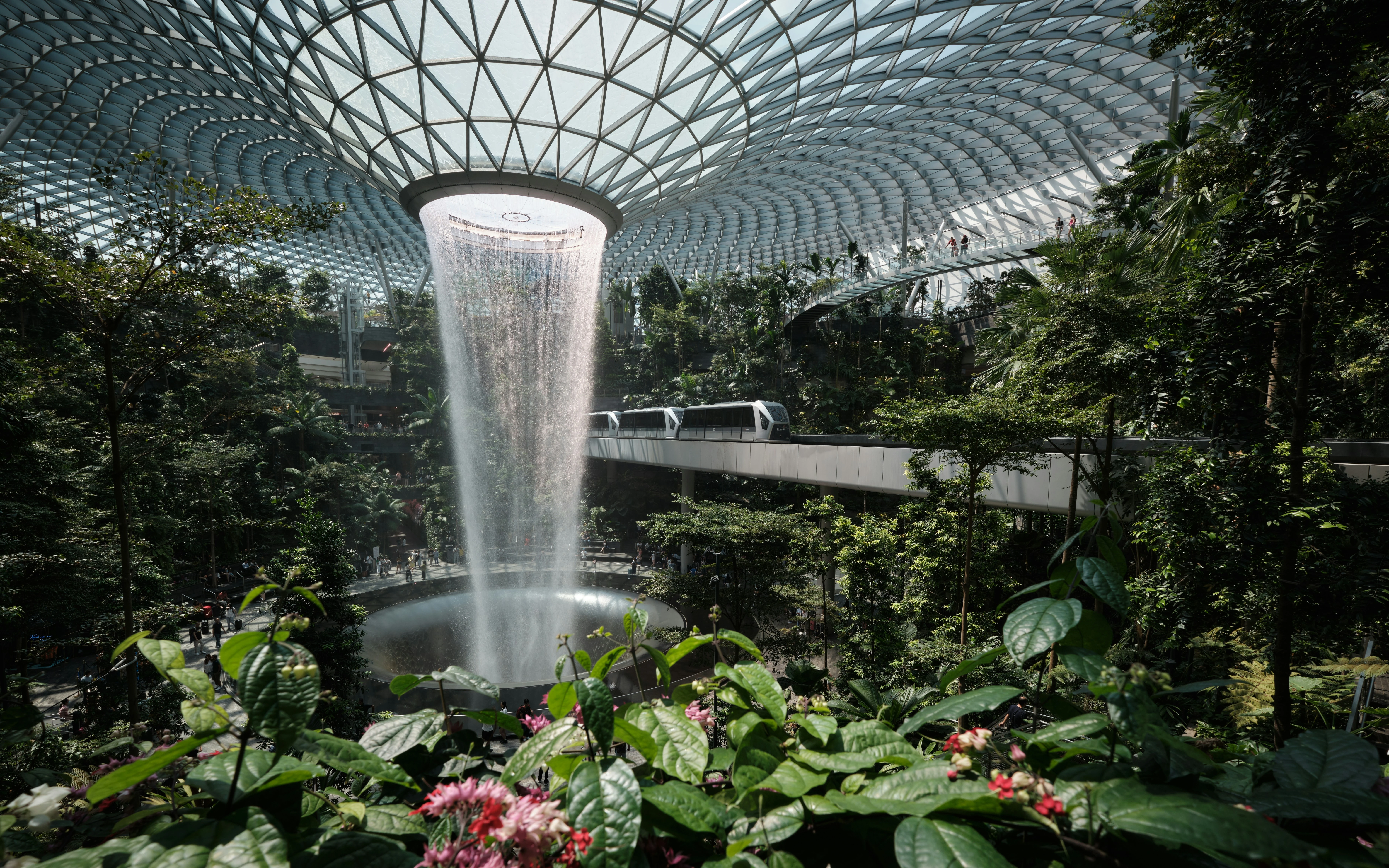
1. Singapore Changi Airport (SIN)
Singapore Changi Airport has retained its title as the World's Best Airport, known for offering an unrivalled passenger experience and its stunning Changi Jewel centrepiece destination. Aside from being a major travel hub connecting east and west, and the world to Australasia, the Changi Jewel features the world’s tallest indoor waterfall, lush gardens, and immersive entertainment options, and its rather unsurprising that Changi continues to set the international standard for airport excellence.
2. Incheon International Airport (ICN), South Korea
Moving from fourth position in 2025, to taking second place in the 2026 listing, South Korea’s largest airport is often praised for its family-friendly amenities, including an ice-skating rink, movie theatre, and interactive art exhibits. Incheon’s Terminal 2 is basically a high-tech greenhouse, filled with indoor gardens and "Great Hall" architecture that has been scientifically prove to lower cortisol levels before long haul flights. Last year's terminal expansion boosted capacity to 106 million travellers, and often Incheon is looked at for it is 15-minute set up, as the mega-hub aims for passengers to go from curb to gate in just 15 minutes.
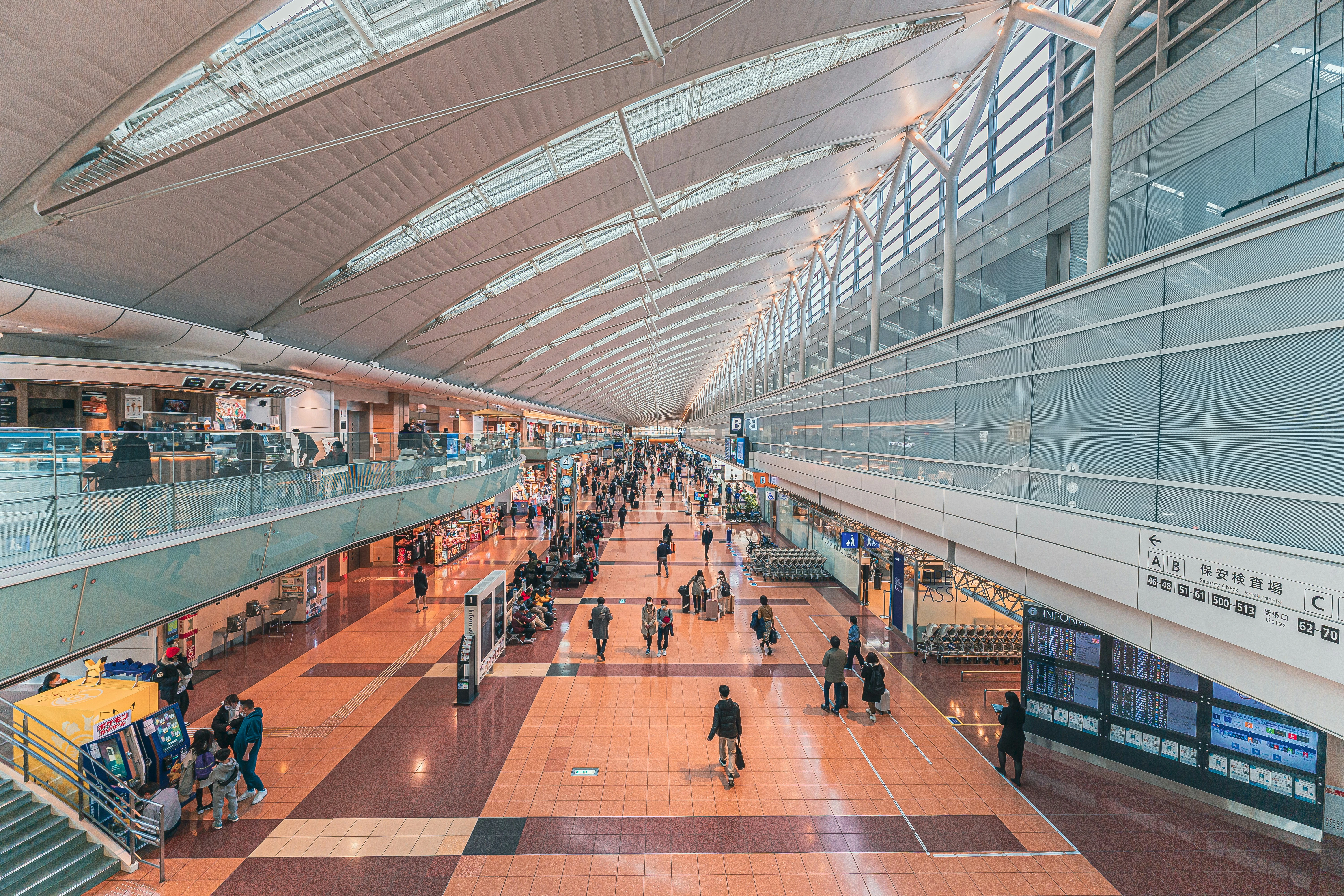
3. Tokyo Haneda Airport (HND), Japan
Retaining its third place on the list of the World's Best Airports, Tokyo Haneda Airport is Japan’s busiest hub. The airport has also been awarded the title of World's Cleanest Airport, for the second consecutive year. Offering travellers some of the world's most efficient and accessible transit connections, its unsurprising that the airport has won awards for its accessibility. Calm seating zones for sensory-sensitive travellers.
4. Hong Kong International Airport (HKIA), Hong Kong
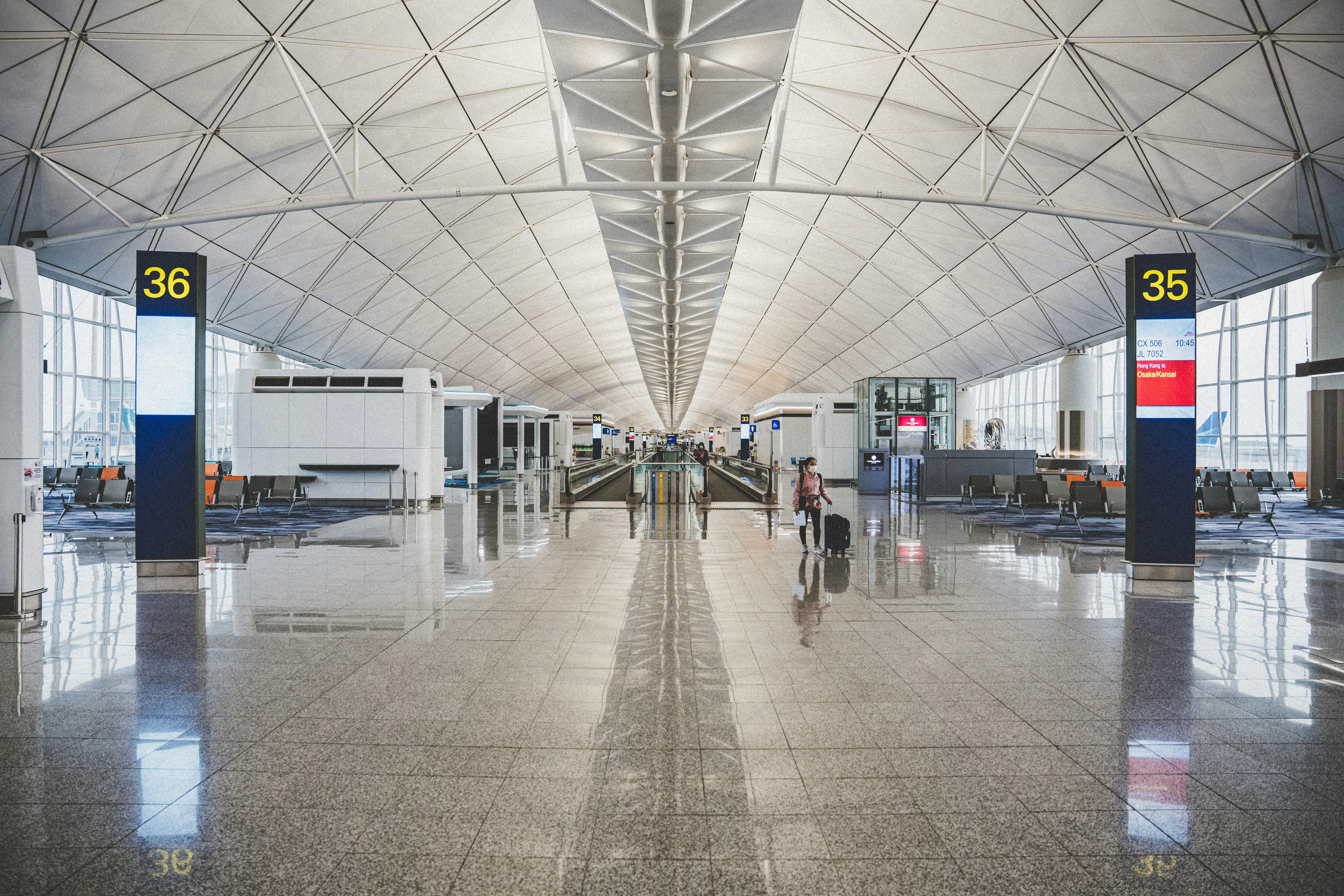
Hong Kong International Airport has risen in the rankings from 6th place last year, to fourth place on the 2026 listing. This move up the rankings is rooted in its aggressive transition toward a "smart airport" model that prioritises seamless passenger flow, and passenger experience. The airport secured the 2026 title for World’s Best Airport Security Processing by implementing cutting-edge CT bag screening and biometric "single token" technology, effectively removing the need for travellers to unpack liquids or repeatedly present passports. By blending these invisible operational wins, Hong Kong has successfully redefined the transit experience as one defined by speed, comfort, and a frictionless journey from curb to gate.
5. Tokyo Narita Airport (NRT), Japan
Staying secure in fifth position on the World Best Airport listing, for the third consecutive year, Tokyo's Narita Airport serves as a major international hub for Japan Airlines and ANA All Nippon Airways. This ranking is driven by the airport's consistent and significant investment sin the passenger experience, in its "environmental design" and expanded cultural dining options. The airport also features traditional Japanese art galleries, a Kabuki exhibit, and capsule hotels for budget-conscious travellers.
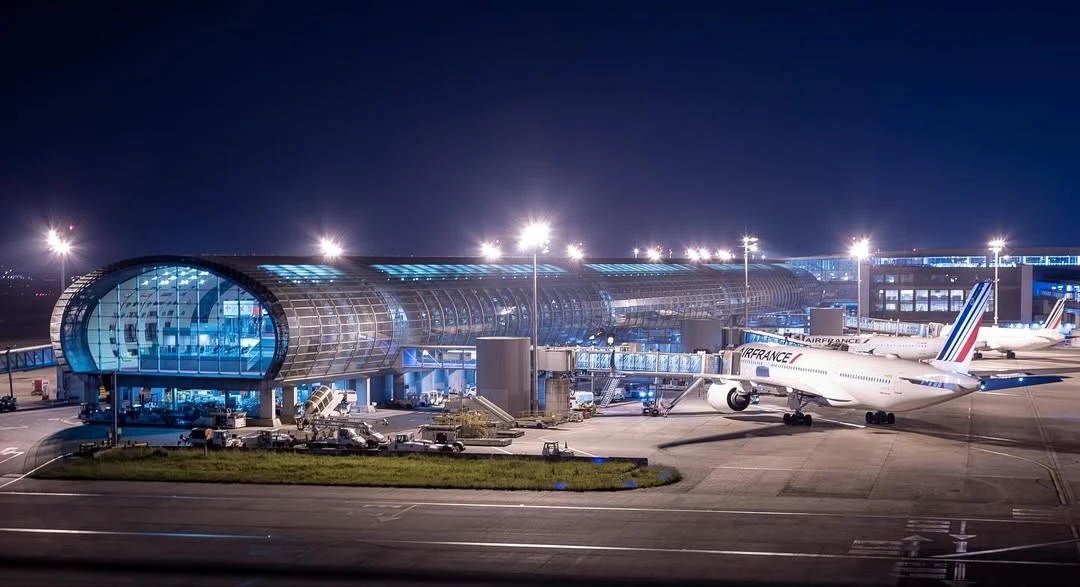
6. Paris Charles de Gaulle Airport (CDG), France
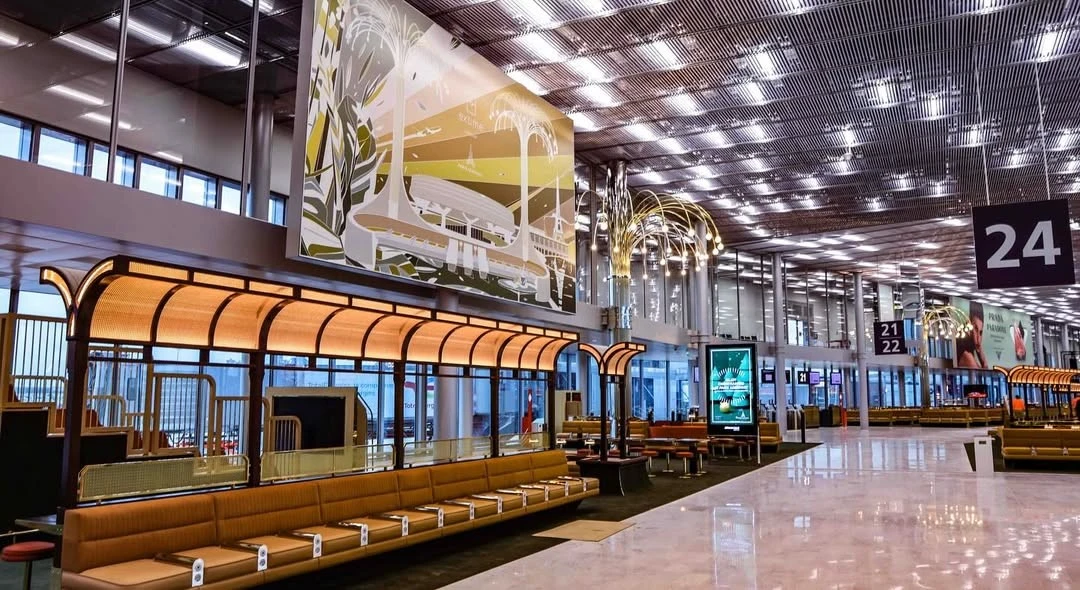
Rising in the rankings by one position, Paris' Charles de Gaulle Airport is now the sixth best airport in the world, according to Skytrax. A major hub for Air France and other European carriers, this airport marks a mid-way point for many multi-sector flight routes. Passengers travelling through CDG specifically noted improvements in way-finding, modernised terminal aesthetics, and upgraded facilities as being reason why this airport should retain its ranking, many of these attributes were accelerated in preparation for the Olympic Games.
7. Rome Fiumicino Airport (FCO), Italy
Also moving up the rankings by one place, Rome's Fiumicino Airport is now the seventh best airport in the world. Already one of Europe's busiest hubs, the airport has undergone major infrastructure upgrades, specifically the opening of the state-of-the-art Terminal 1 and Boarding Area A. Fiumicino’s focus on digital innovation, including advanced biometric boarding and real-time passenger flow management, has solidified its reputation as Europe’s most improved and efficient major gateway.
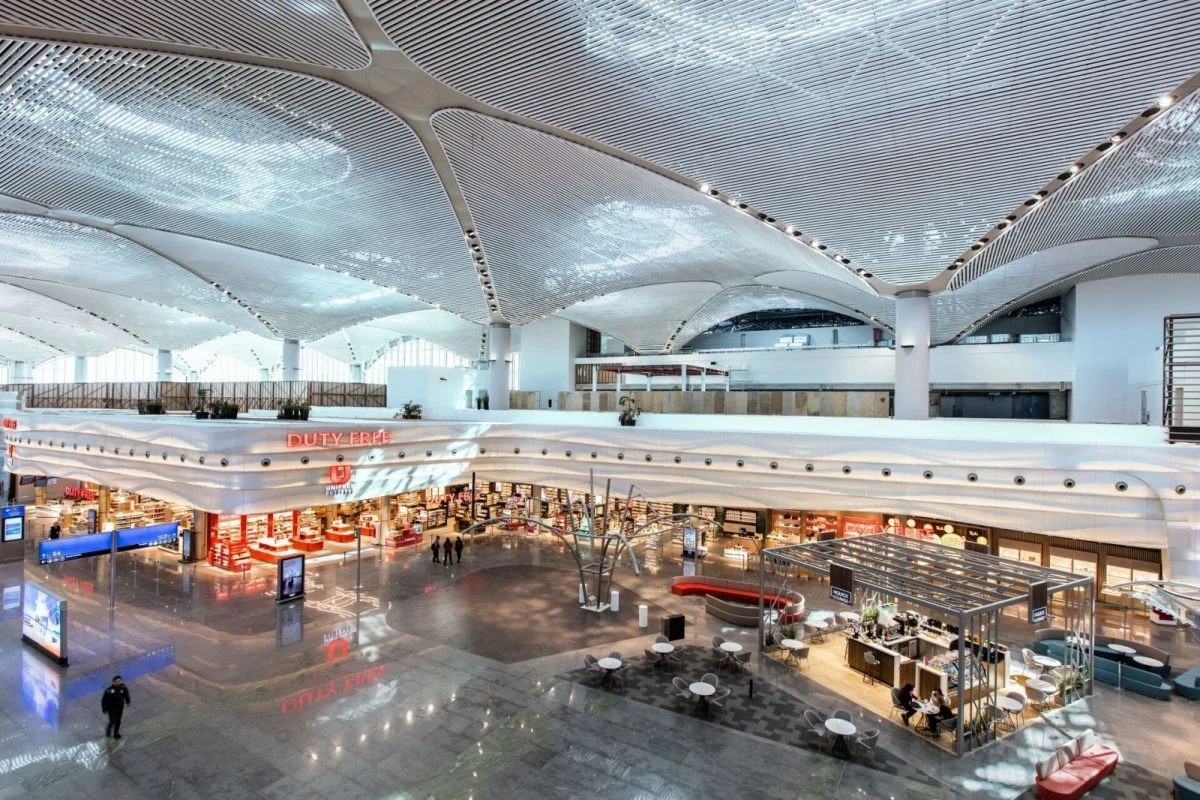
8. Istanbul Airport (IST), Turkey
Istanbul Airport (IST) climbed to eighth place in the 2026 Skytrax World’s Best Airports list, marking a significant rise from its previous 14th-place position. Passengers highly rated the hub for its outstanding engineering and architectural design, which seamlessly blends high-tech efficiency with traditional Turkish and Islamic aesthetic motifs. The airport’s success is also driven by its diverse passenger facilities. By combining modern infrastructure with a deeply rooted culture of Turkish hospitality, Istanbul has solidified its reputation as one of the most improved and traveler-centric gateways in the world.
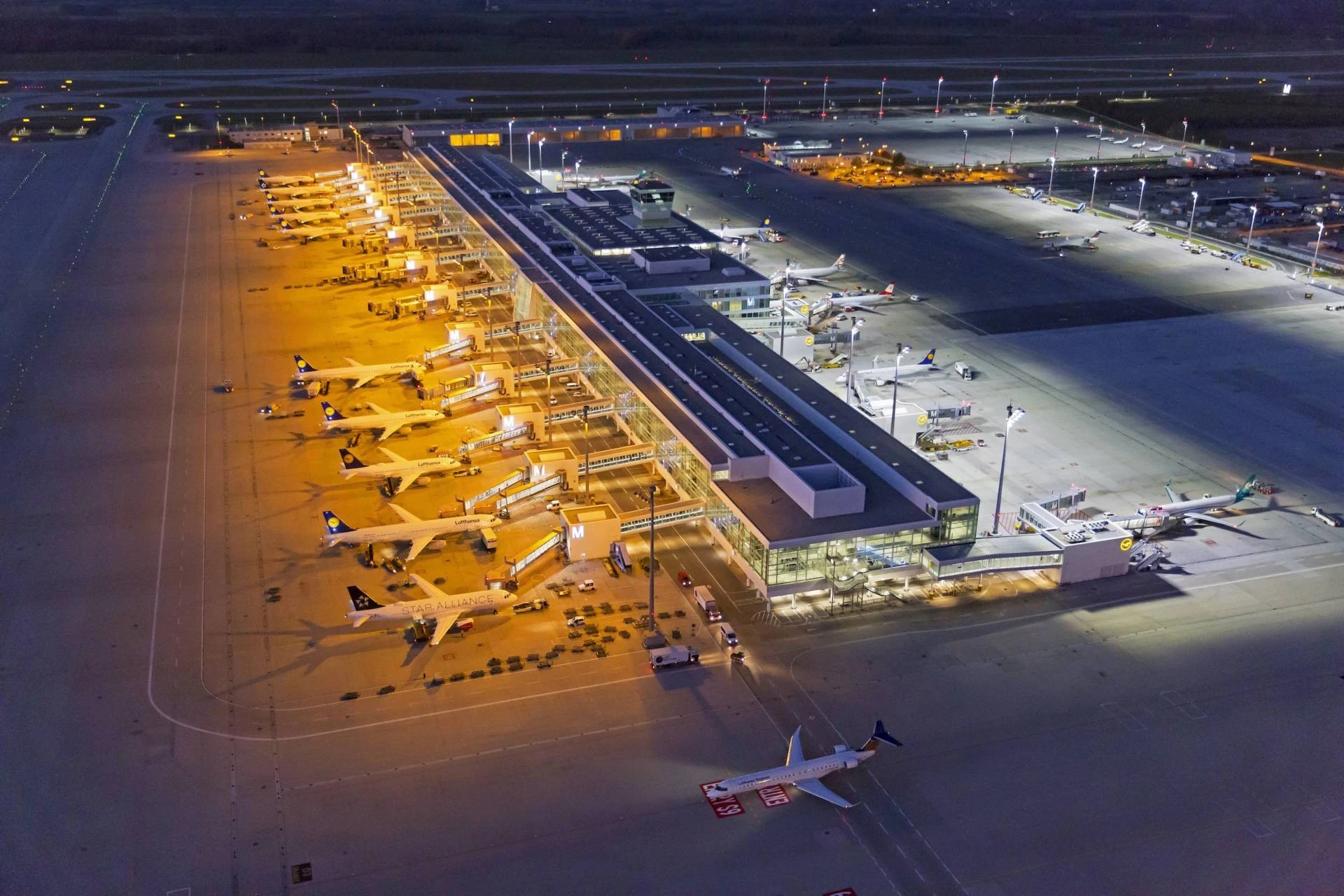
9. Munich Airport (MUC), Germany
Munich Airport is Germany’s second busiest, featuring over 150 retail stores and 50 dining options, making it feel like a city within an airport. Passengers consistently praise the expansive airport and its surrounding area as a massive outdoor covered forum that hosts seasonal events like a full-scale Festive Market and an ice-skating rink in the winter months.
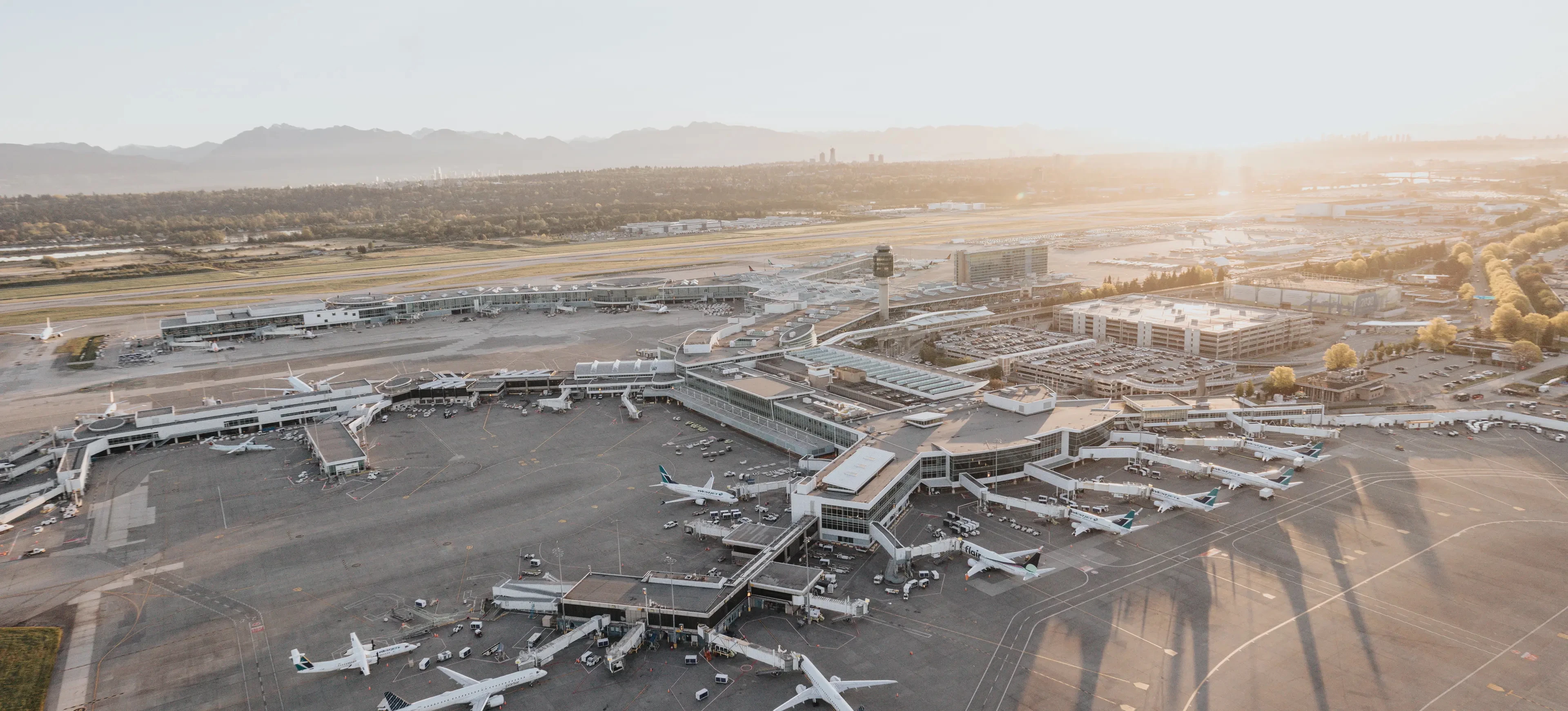
10. Vancouver International Airport (YVR), Canada
Knocking Zurich Airport in Switzerland out of the top ten placing, Vancouver Airport now sits in tenth position. Integrating world-class Indigenous art and expansive indoor living forests that reflect the natural beauty of Canada's British Columbia province, the airport is recognised for its seamless accessibility features, ensuring a frictionless journey for travellers of all mobility levels through intuitive way-finding and dedicated assistance programs.
Where did Saudi airports rank on this listing?
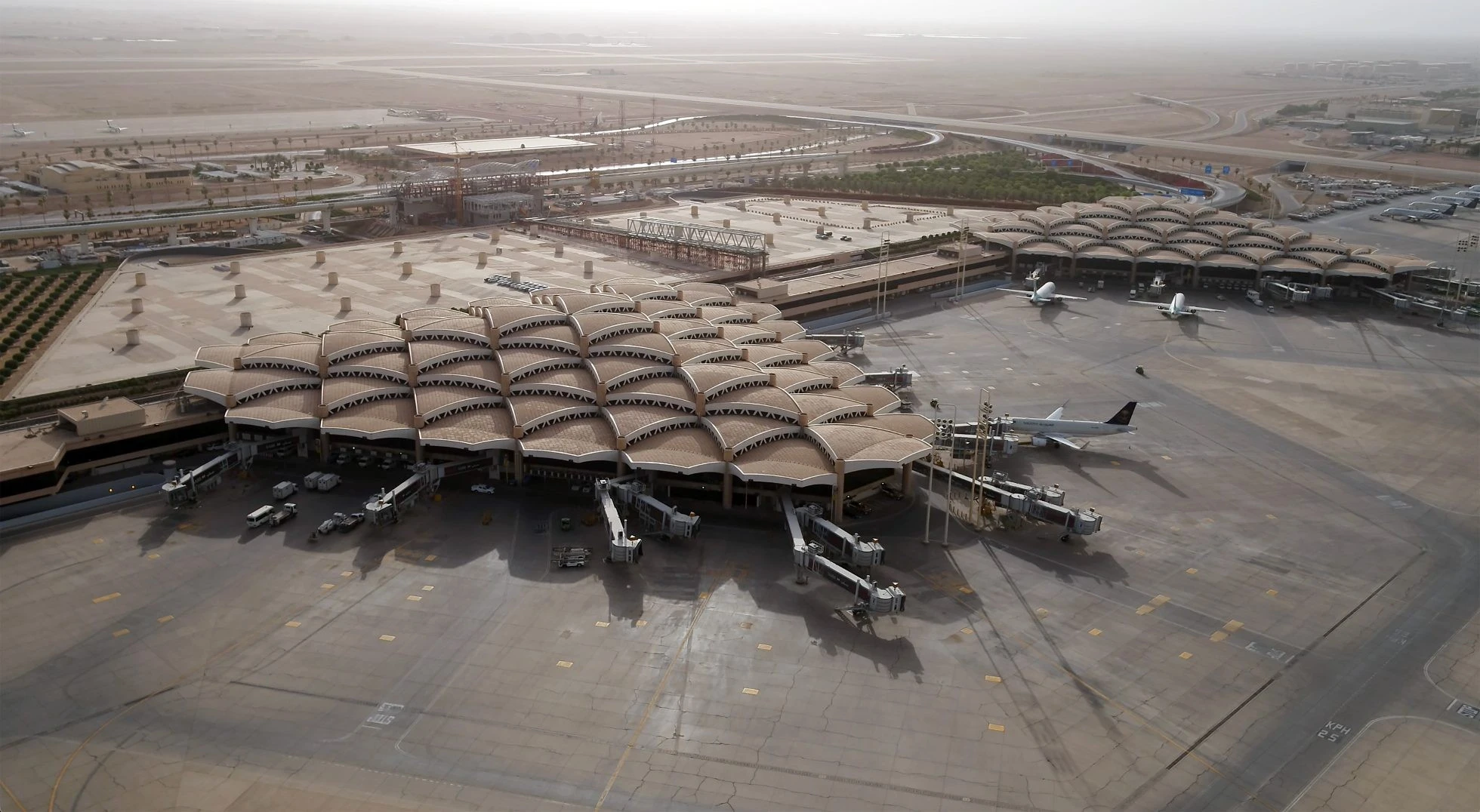
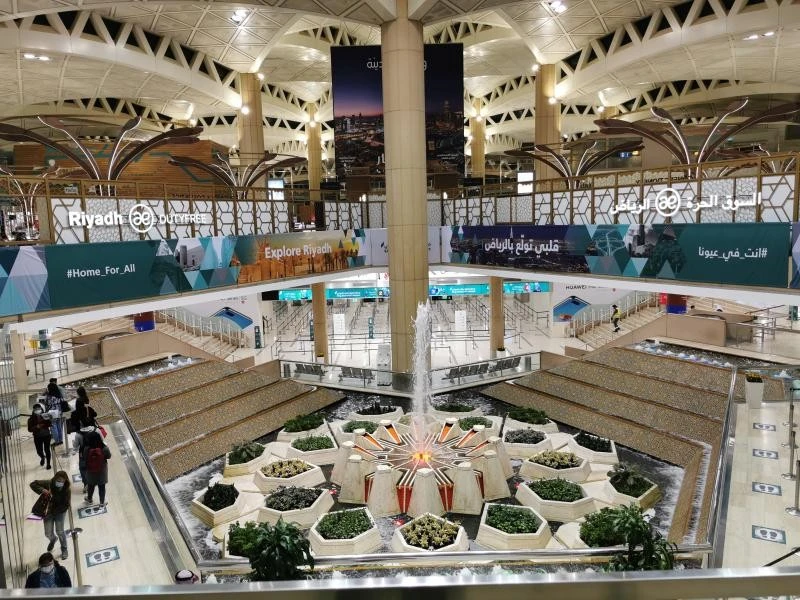
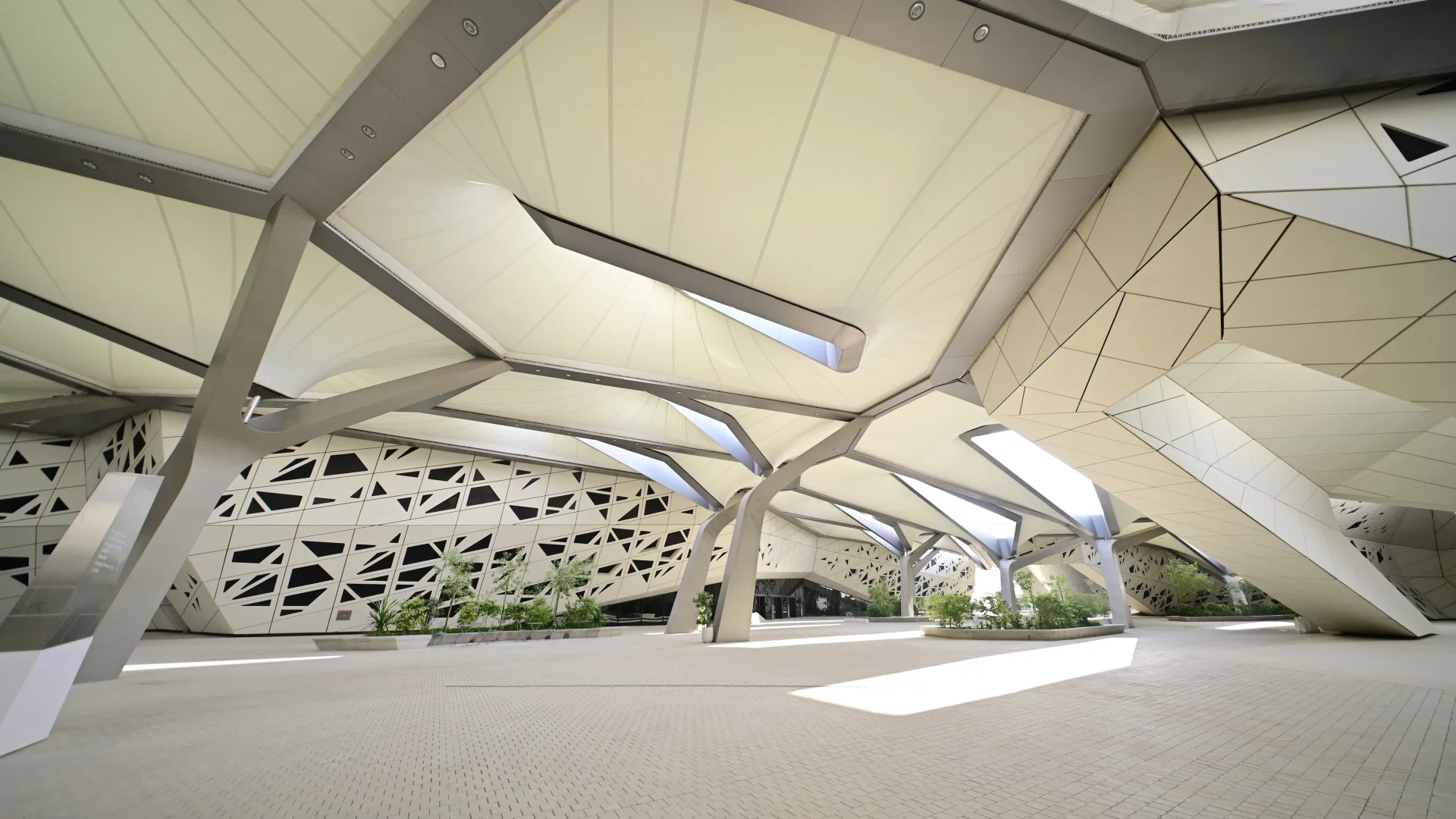
King Khalid International Airport (KKIA), Riyadh
- 2026 World Ranking: 14th (Up from 24th in 2025 and 58th in 2021)
The capital’s airport was the standout performer of the year, earning the prestigious title of World’s Most Improved Airport 2026. This climb into the global top 15 follows the successful redevelopment of Terminal 2 as an international hub, and the modernisation of baggage and security systems throughout the airport. In addition to its overall ranking, KKIA was named the Best Airport in the 30–40 Million Passenger Category and placed second for Best Airport Staff in the Middle East.
King Abdulaziz International Airport (KAIA), Jeddah
- 2026 World Ranking: 27th (Up from 44th place in 2025)
Jeddah’s gateway saw a remarkable jump of 17 positions this year. It secured 3rd place globally in the "Mega Airport" category (airports handling 50–60 million passengers) and was ranked as the 5th most improved airport in the world. These gains reflect the airport's ability to scale operations efficiently while managing record-breaking passenger numbers, particularly for Hajj and Umrah pilgrims.
Prince Mohammad bin Abdulaziz International Airport, Medina
- 2026 World Ranking: 50th (Retaining the same position since 2025)
Given its geographical positioning and proximity to the Holy City, Medina continues to dominate its specific niche as a hub for religious travel. The airport once again securing the title of Best Regional Airport in the Middle East, and retained its overall ranking on the list of Worlds Best Hotels. Its ranking is bolstered by high scores in passenger ease-of-use and terminal cleanliness votes, maintaining its reputation as one of the most traveller-friendly specialised hubs in the region.
King Fahd International Airport (KFIA), Dammam
- 2026 World Ranking: 53rd (Up from 57th in 2025)
Another Saudi airport rising in the international rankings, Dammam maintains its strong regional standing, currently ranked as the second-best regional airport in the Middle East. While it hasn't matched the rapid top-tier ascent of Riyadh or Jeddah, the airport remains a consistent performer in the 10–20 million passenger category, noted for its operational stability and ease of transit.