


From the rugged landscapes of rural Australia to the high-pressure, Michelin-starred kitchens of London and the global stage of Nobu Dallas, Ross Shonhan has spent three decades refining a culinary identity that is as disciplined as it is daring. Best known for revolutionising the London ramen scene with the rock ‘n’ roll energy of Bone Daddies and managing the complex, grill-focused operations of Zuma, Chef Shonhan has now brought his expertise to the UAE.
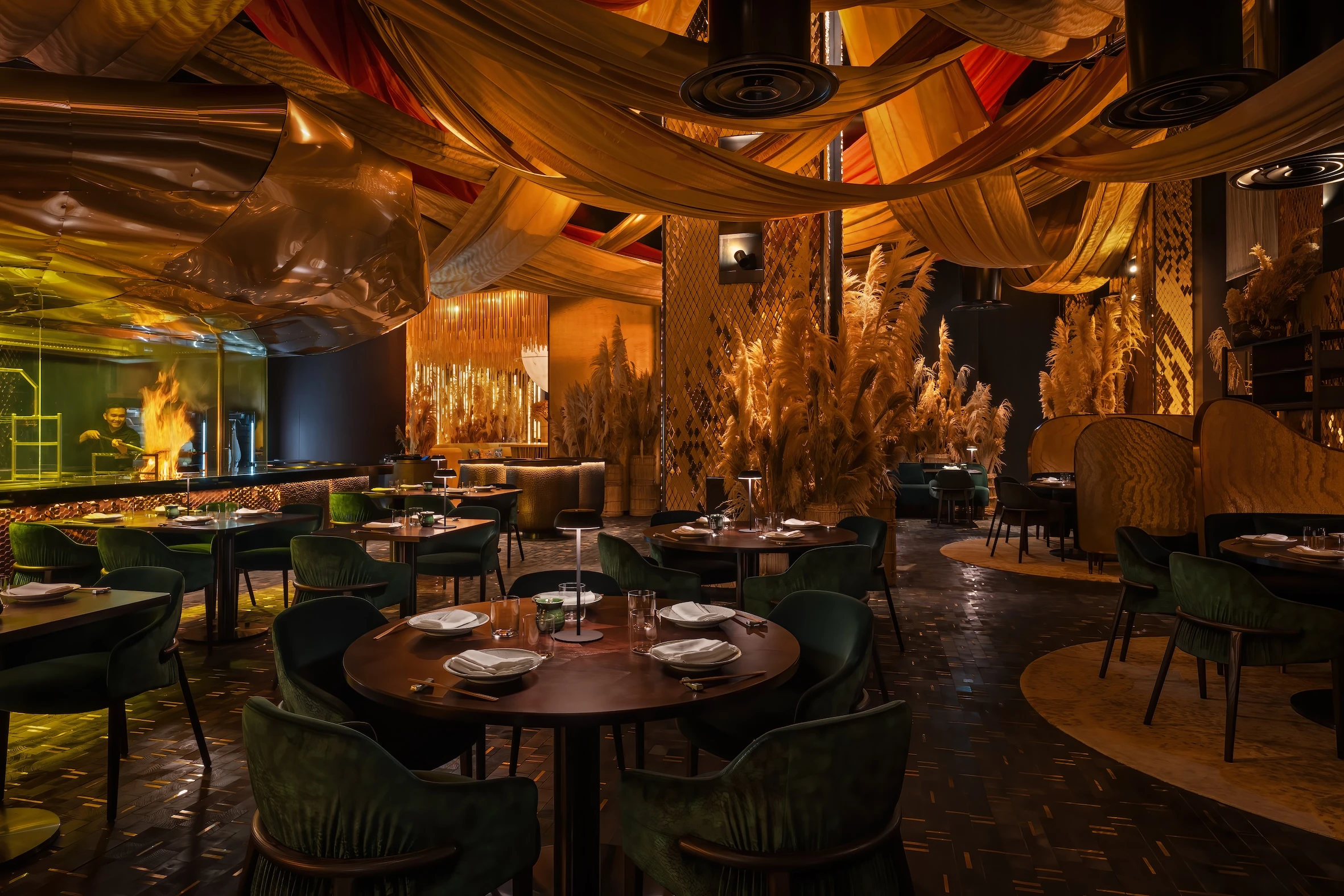
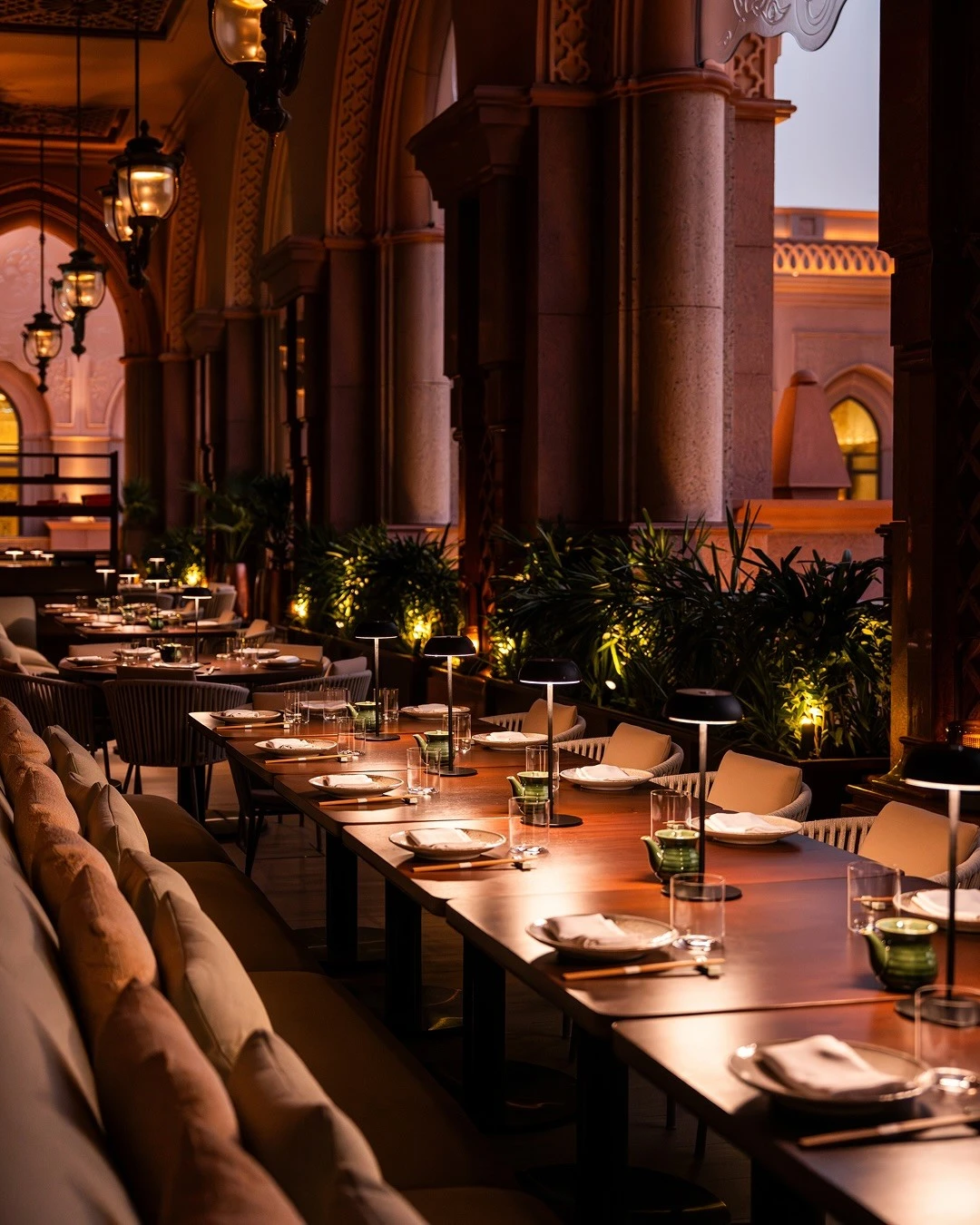
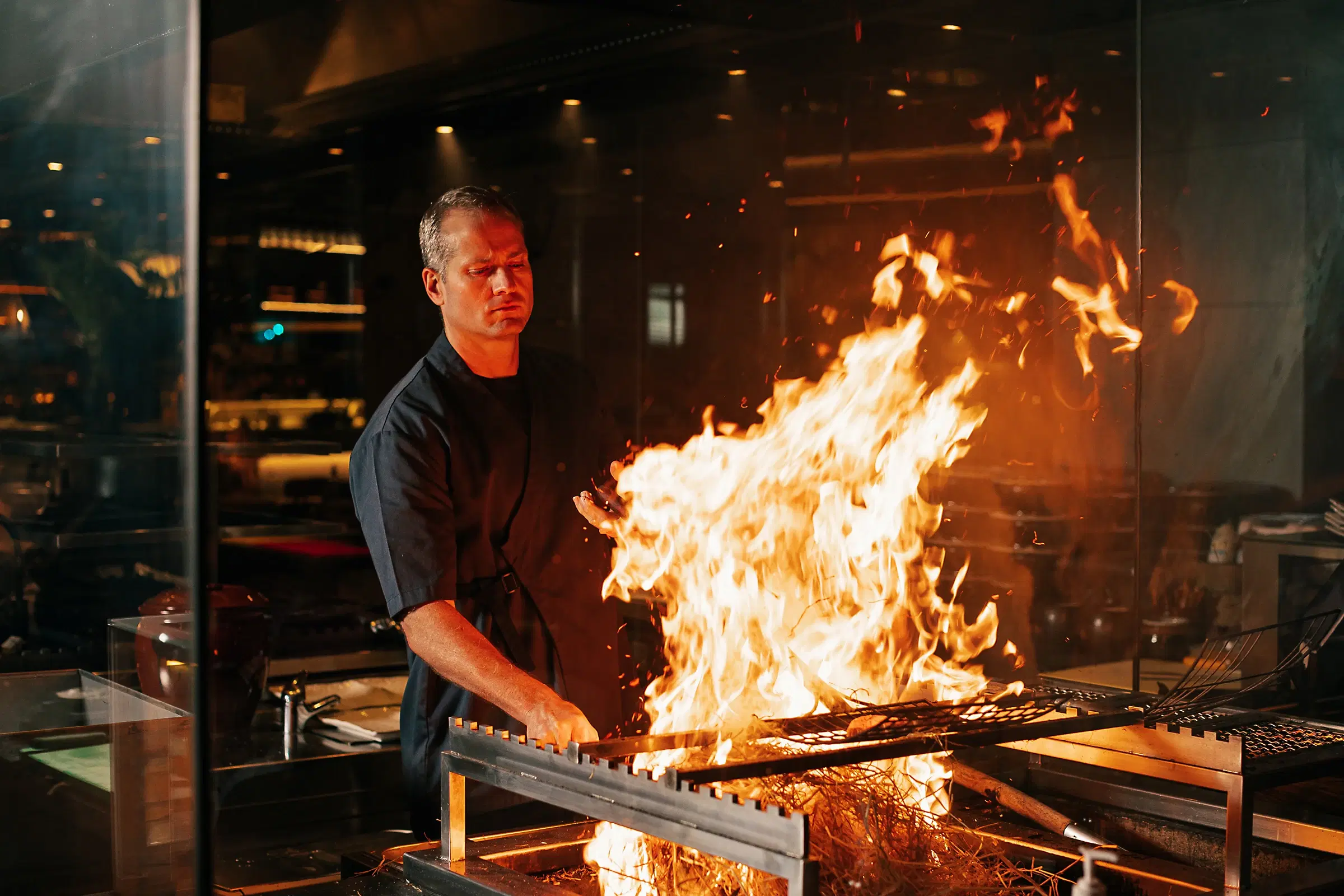
Shonhan's Strawfire, located within the iconic Emirates Palace Mandarin Oriental in Abu Dhabi, is a theatrical tribute to the ancient Japanese tradition of Warayaki — the art of cooking over high-intensity straw flames. It is a concept that strips Japanese gastronomy back to its most elemental, "campfire" roots, while maintaining the surgical precision Chef Shonhan mastered during his years working alongside legends like Koji-san and the teams at The Dorchester.
In this exclusive interview, Shonhan reflects on the "unglamorous" foundations of his career — starting as a dishwasher in a butcher shop — and how those early lessons in resource respect and waste minimisation underpin his philosophy today. He discusses the transition from the frantic seven-hour service marathons of London to the refined luxury of Abu Dhabi, and why, in an era of "Instagrammable" plates, he still believes a chef's most vital skill is the humble ability to sharpen a knife.
Quick Fire Questions
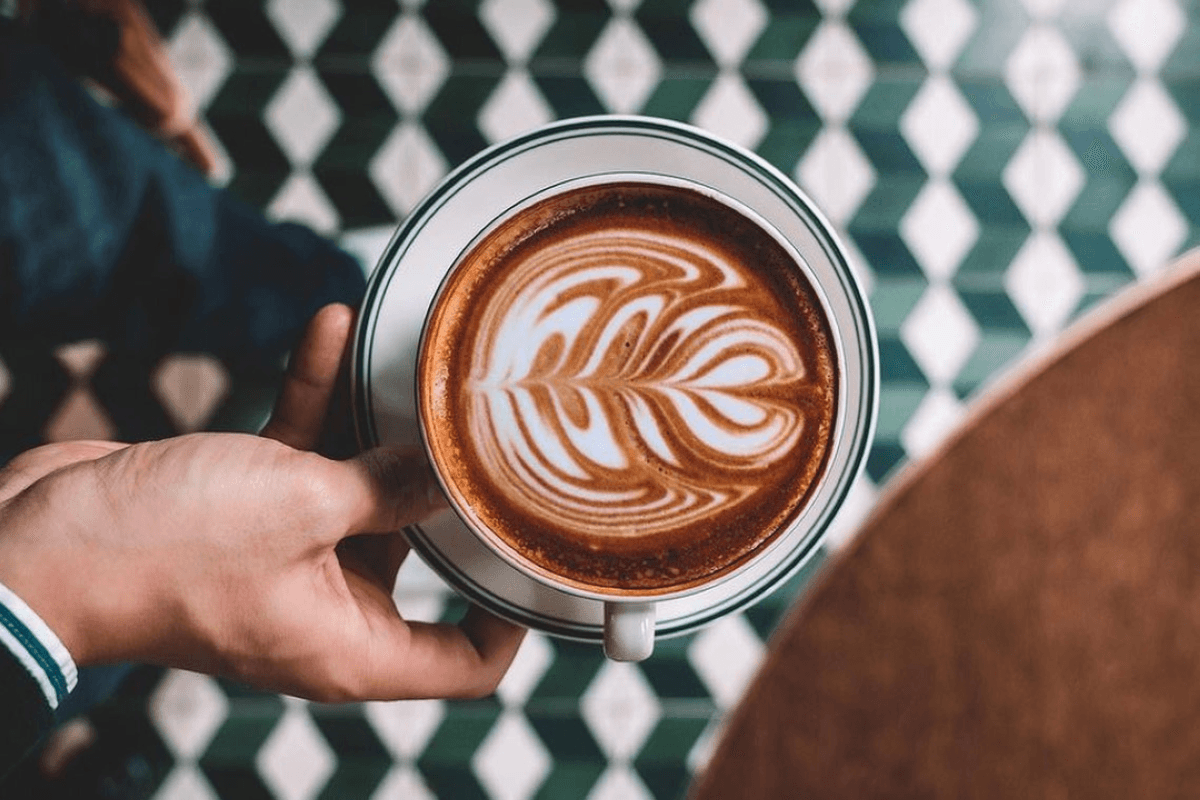
What is your go-to coffee order? Flat white
Street food or fine dining? Street food
The most underrated ingredient in the kitchen? Umami
The best cooking advice you’ve ever received? Taste new dishes as a guest in the dining room
Favourite city in the world for food? London for variety and quality, Osaka for everything Japanese
Go-to guilty pleasure meal? Chinese roast duck
Background & Training
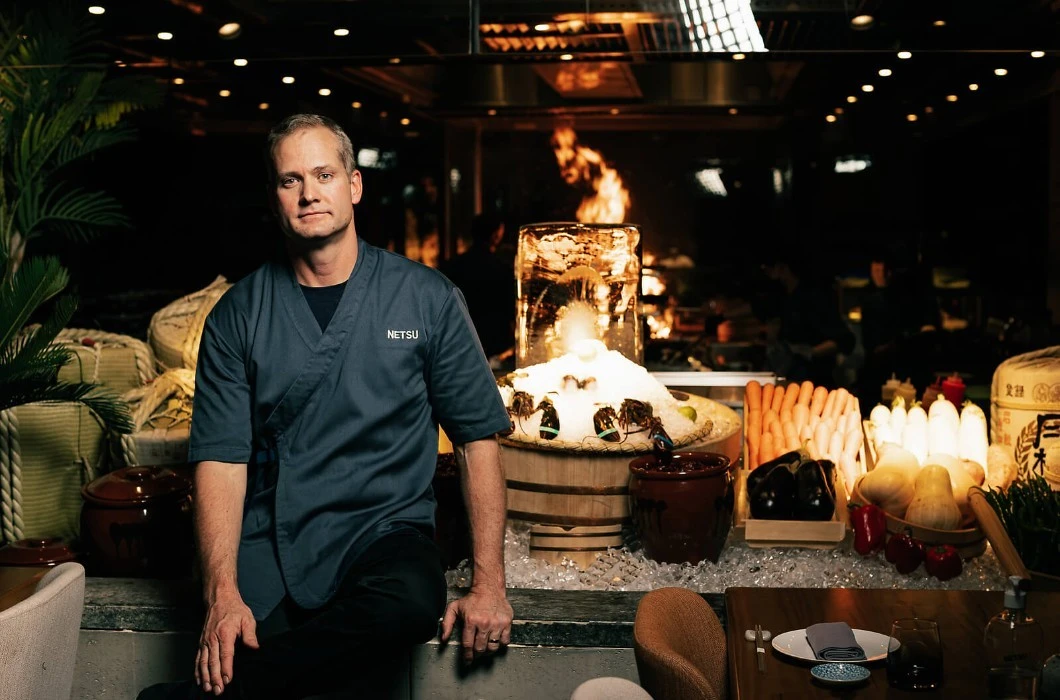
How did your upbringing in rural Australia influence your foundational philosophy as a chef, particularly regarding the way you source and handle ingredients?
Having been raised in rural Australia, I possess a deep understanding of the origins of ingredients and the processes involved in their production. This background has greatly influenced my approach as a cook, emphasising the importance of respecting resources and minimising waste.
Your training has taken you from rural Australia to legendary institutions like The Dorchester in London. Has there been a significant cultural or professional shock you experienced when moving from Australian kitchens to the high-pressure environment of England’s most notable establishments?
One of the most notable adjustments when relocating to the UK was the extended duration of restaurant service. Service typically commenced promptly at 6pm, and by the time operations were concluding, it would often be 1am, amounting to seven hours of sustained activity. This level of intensity and length of service was unfamiliar to me, having not experienced it previously in Australian restaurants.
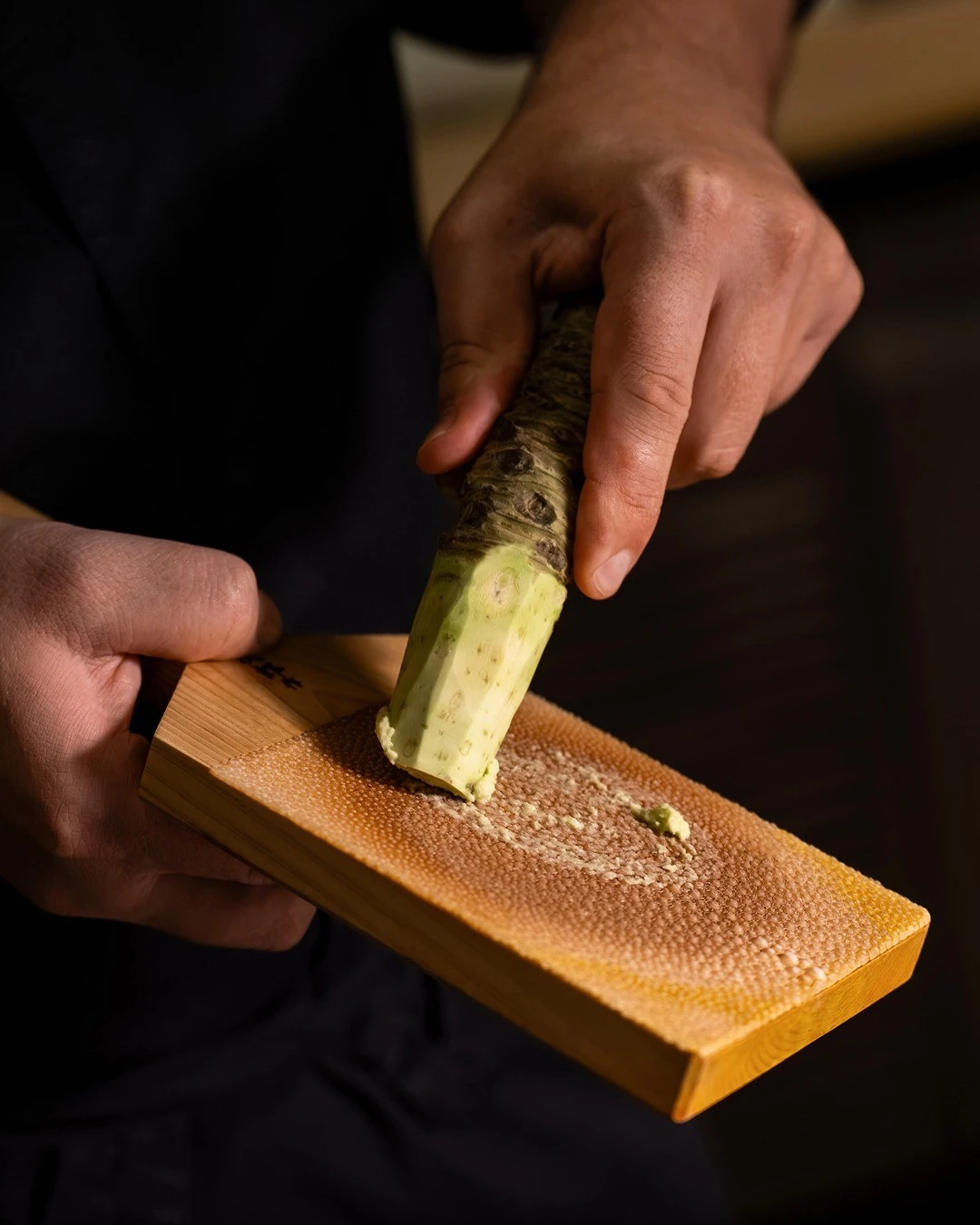
While working in America, you served as Executive Chef for Nobu Dallas. During that specific chapter of your career, what was the most vital lesson you learned about the Japanese philosophy of food that you still carry with you today?
My first role as kitchen lead taught me to work hard and quickly learn what I didn't know. I was fortunate to work closely with an experienced Japanese sushi chef, Koji-san, who taught me much about Japanese cuisine beyond sushi, knowledge that extended past Nobu's menu. I often reflect on how lucky I was to learn from him. That philosophy still underpins the way we approach dishes at Strawfire today.
Returning to London to take the helm at Zuma; how did managing such a high-profile, modern Japanese kitchen help you bridge the gap between traditional techniques and the innovative branding you eventually launched with Bone Daddies?
Managing Zuma London was challenging, but I built a strong team to improve quality and boost kitchen revenue. Unlike Nobu's simple concept, Zuma was more grill-focused and complex. Both restaurants taught me respect for Japanese cuisine, though neither were fully traditional; each adapted Japanese flavours for Western tastes. We carried these ideas into Bone Daddies, mixing classic rock with great ramen.
Throughout your extensive training across three continents, has there been a specific mentor or chef who challenged your creative vision the most and encouraged you to start telling your own travel stories through your menus?
While no one specifically encouraged me to start sharing my own stories, I was fortunate to work with outstanding leaders in hospitality who have built some of the world’s top brands. I’ve learned a lot from each of them, and those experiences have had a significant impact on my career. Ultimately, that confidence to interpret Japanese cuisine through my own lens is what led to the creation of Strawfire.
Let's Chat About Strawfire
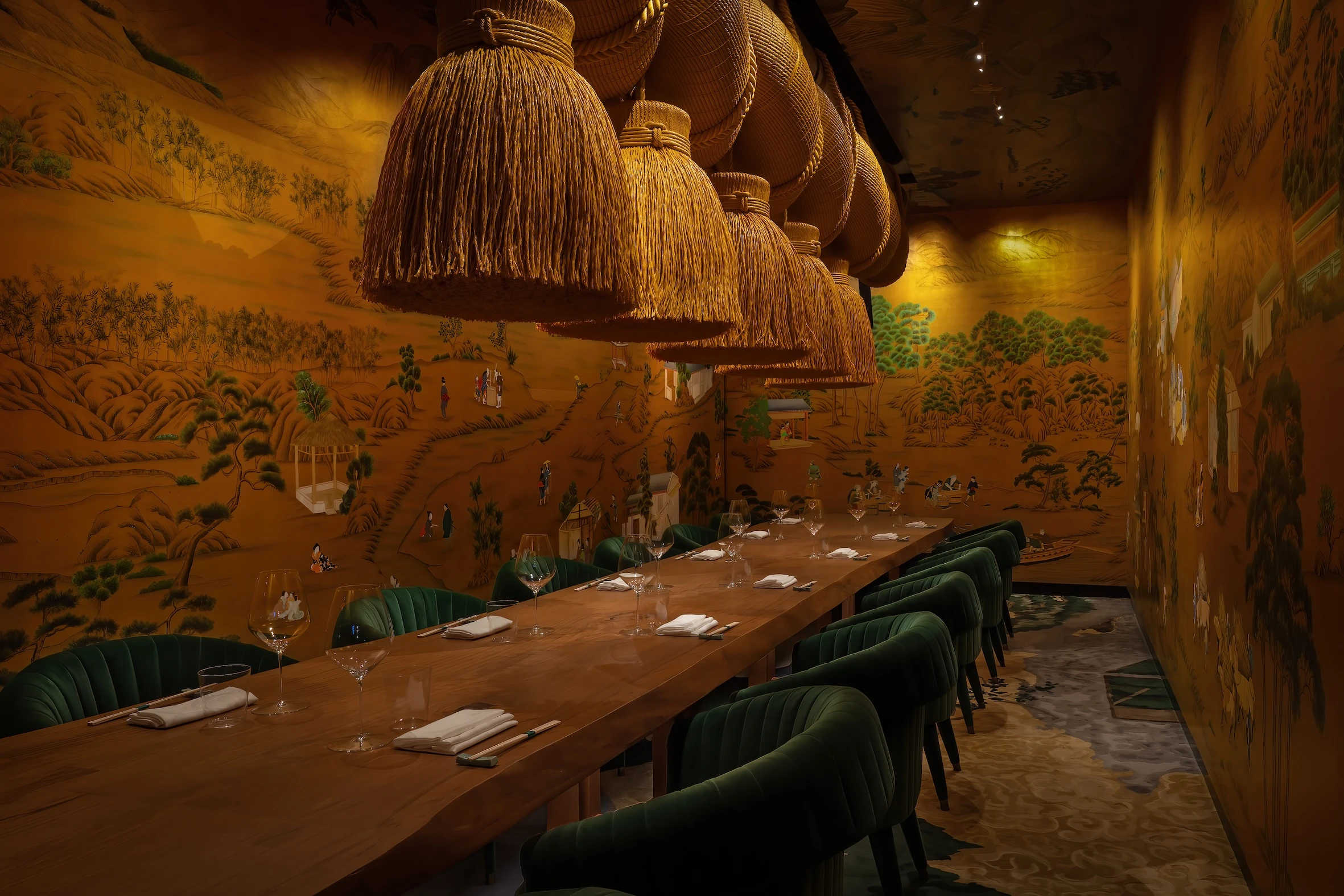
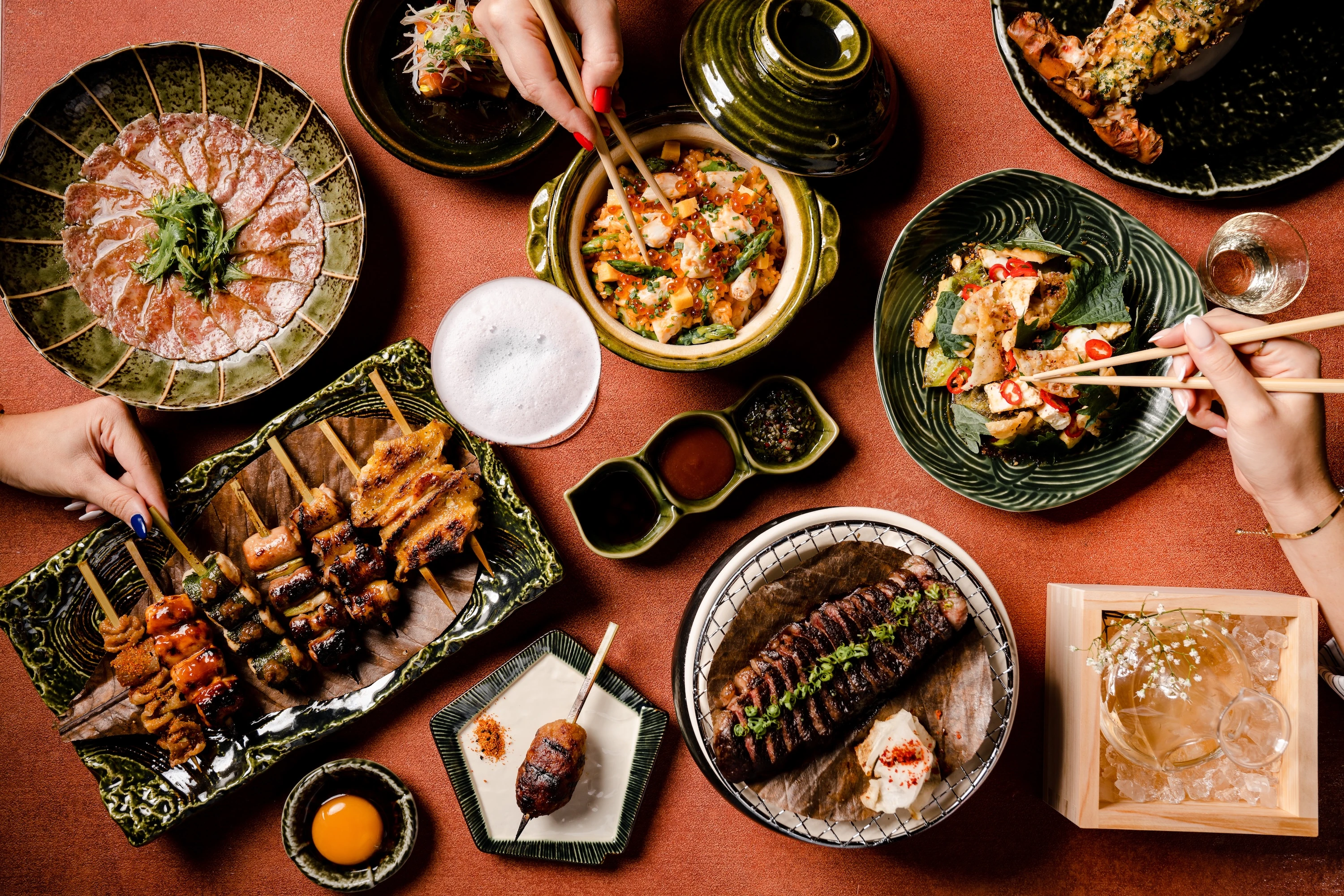
Strawfire emphasises the Japanese tradition of Warayaki, or straw-fire cooking. Having mastered various Japanese styles in Nobu and Bone Daddies, what is it about the specific intensity and flavour of the straw flame that you felt was missing from the Abu Dhabi dining scene?
As a chef with experience at renowned establishments such as Nobu and Zuma, I have consistently sought to expand my knowledge of Japanese cuisine beyond replicating their signature dishes and menus. My commitment to research and exploration has enabled me to discover diverse techniques within this culinary tradition.
The introduction of warayaki cooking provided an opportunity to highlight a distinctive aspect of Japanese gastronomy that remains relatively obscure, even in Japan itself. This method creates a unique flavour reminiscent of campfire cooking, which I believe resonates well with life in Abu Dhabi, where outdoor cooking and camping are popular activities. Such culinary practices foster a sense of connection and evoke classic, enduring traditions through food prepared over open flames.
If a guest is visiting for the first time and wants to truly understand what makes the Strawfire technique unique (beyond the obvious) which specific, perhaps unexpected, dish on the menu should they order to see the 'soul' of this kitchen?
I think they should definitely have our Warayaki Avocado Salad. It just highlights that more than meat and fish can be grilled over the fire to impart an amazing flavour.
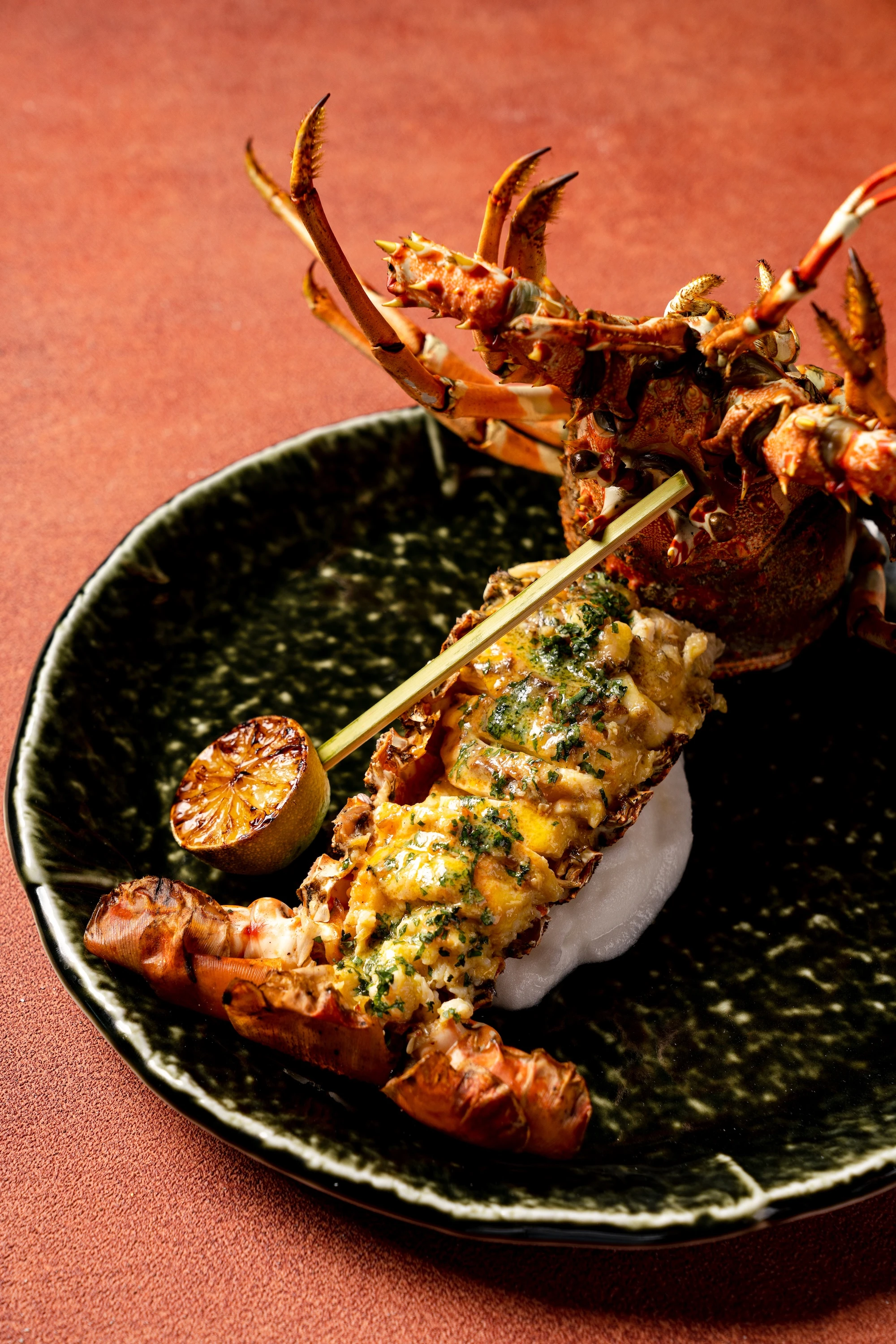
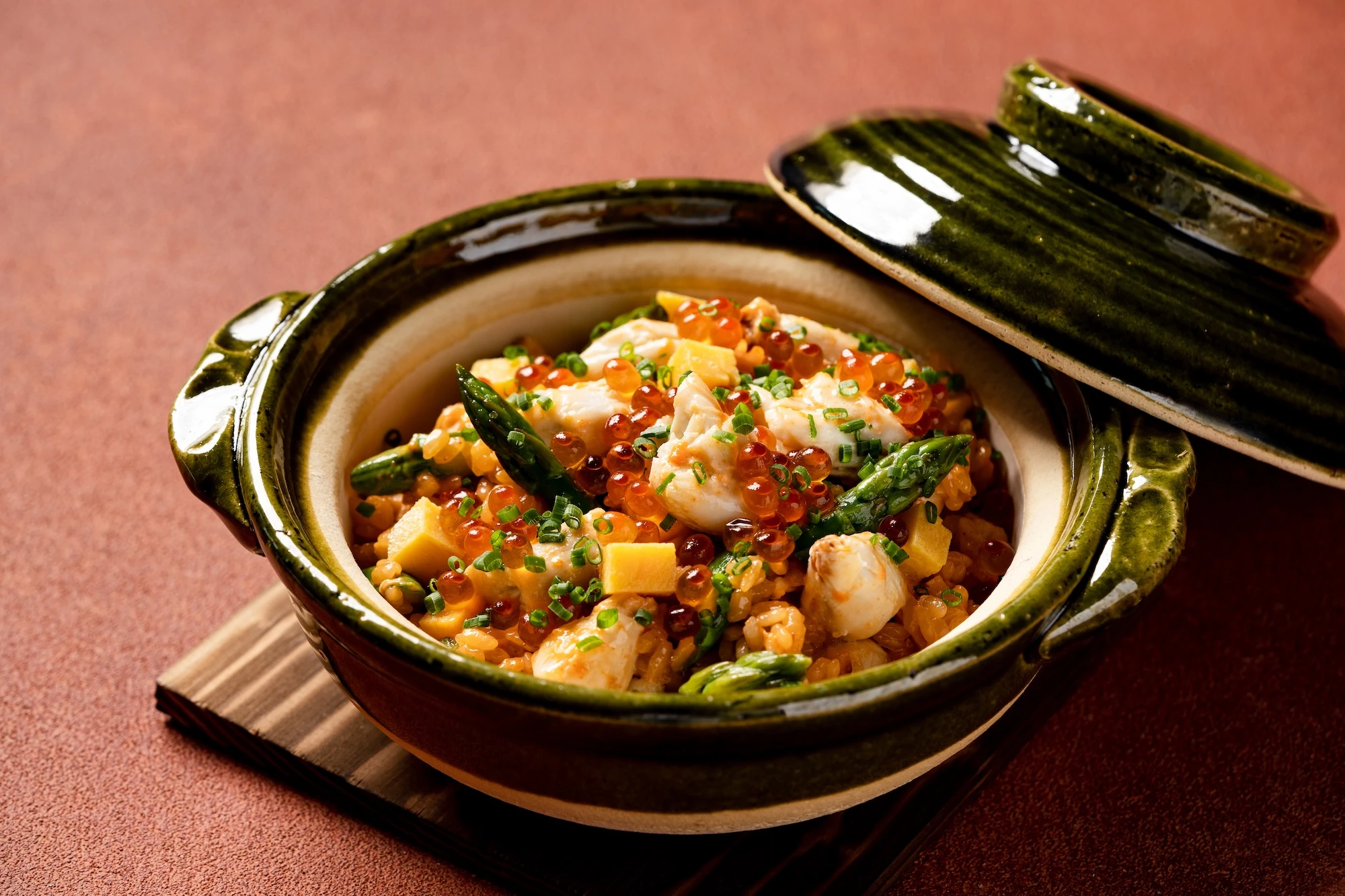

The kitchen at Strawfire is entirely open and highly theatrical. How does that visibility change the way you lead your team compared to a traditional 'hidden' kitchen? Does the presence of the guests at the counter push the team toward a higher level of precision?
It is important to recognise that chefs are constantly visible and contribute to the overall dining experience, making it essential to maintain high standards of cleanliness and professionalism not only behind the scenes but also in front-of-house operations. This includes thoughtful choices regarding equipment, for example, utilising more china for food storage rather than relying solely on stainless steel. With increased public exposure to kitchen environments, many chefs now prefer to work within spaces that are integrated with the dining area, enhancing both guest interaction and transparency.
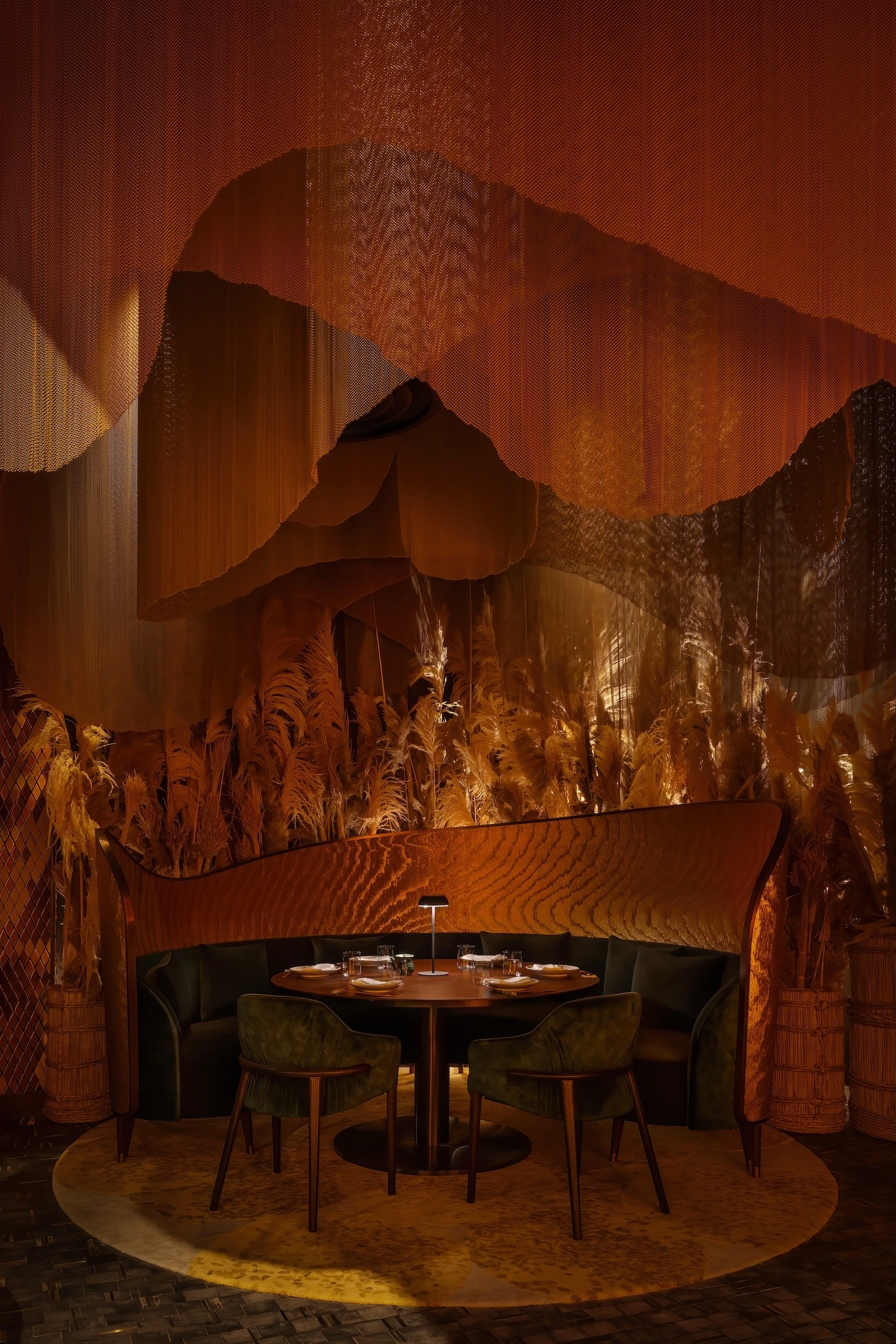
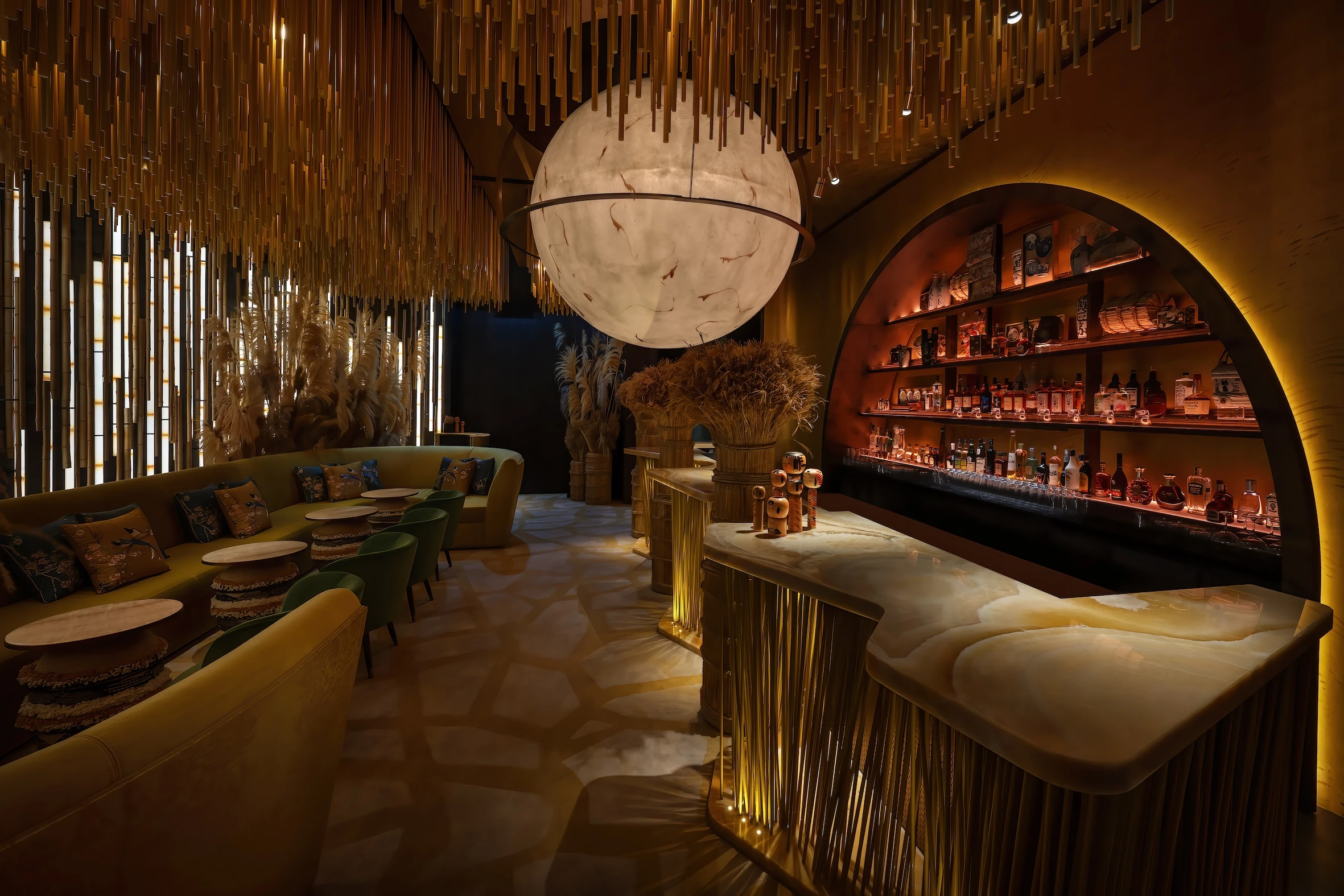
Beyond the food itself, a restaurant’s décor and music play a huge role in the meal. How do you use the environment and ambiance of Strawfire to enhance the way guests experience your cooking?
Considerable effort was invested in the design to convey the narrative of rice straw farming, rice harvest festivals, and rural areas, while also integrating elements of Japanese precision. The space was divided into distinct zones, each dedicated to representing these themes. This approach aimed to create an immersive dining environment that ensures an enjoyable experience for all guests.
Travel & Food
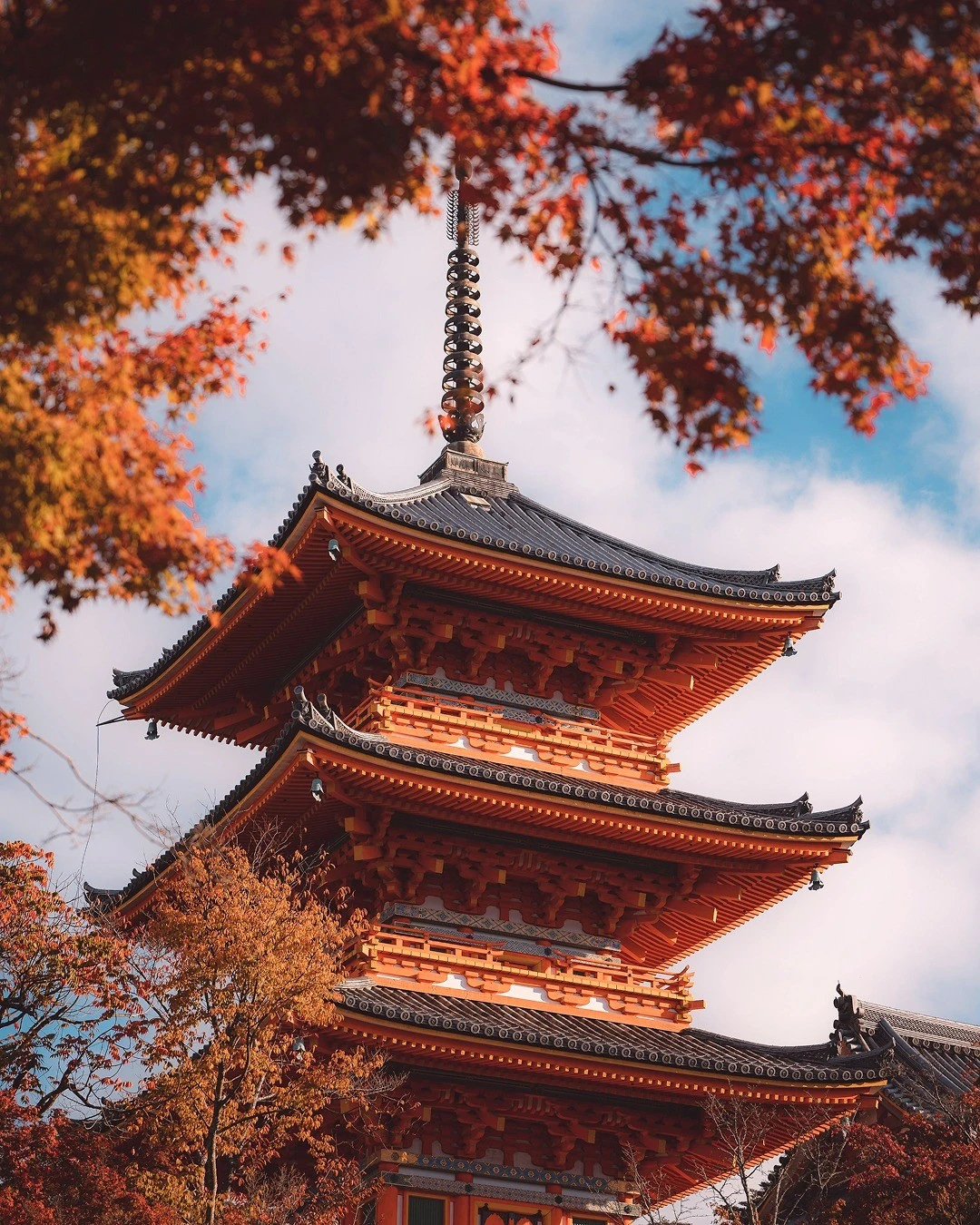

How much do you think your travels and experiences of other cultures has influenced the way you think about creating a dish or menu?
Exploring different cultures and their cuisines greatly influences how dishes are developed. At Strawfire, although we use predominantly Japanese flavours in our cooking, it's essential to adapt them for our audience. Frequently, what is popular in Japan doesn't seamlessly appeal to Western tastes or ideas of high-end food.
Is there a specific region of the country are you currently most hungry to explore further?
I want to go further south in Japan, to where the islands become tropical and they have large coconut crabs that climb trees.
Now that you are established in Abu Dhabi at the Emirates Palace, how has the transition from the fast-paced energy of London or Dallas changed your perspective on what "luxury travel" and dining should feel like for the modern guest?
For me, true luxury is all about having time:
- the chance to read a book,
- to work out,
- to appreciate your environment,
- or enjoy a leisurely lunch on a Tuesday for example;.
That’s the essence of luxury, and it’s exactly what luxury travel makes possible.
Advice for Young Chefs
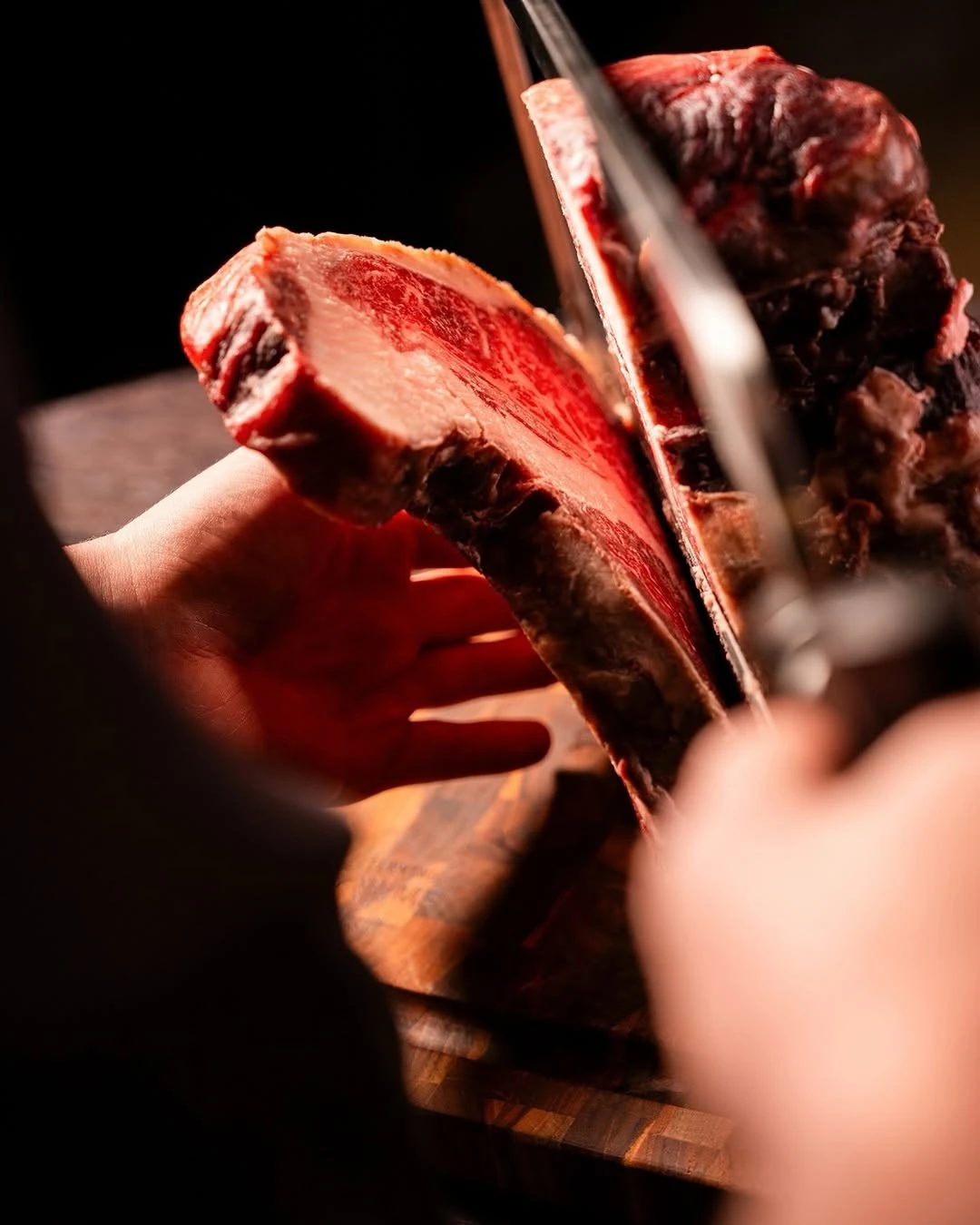
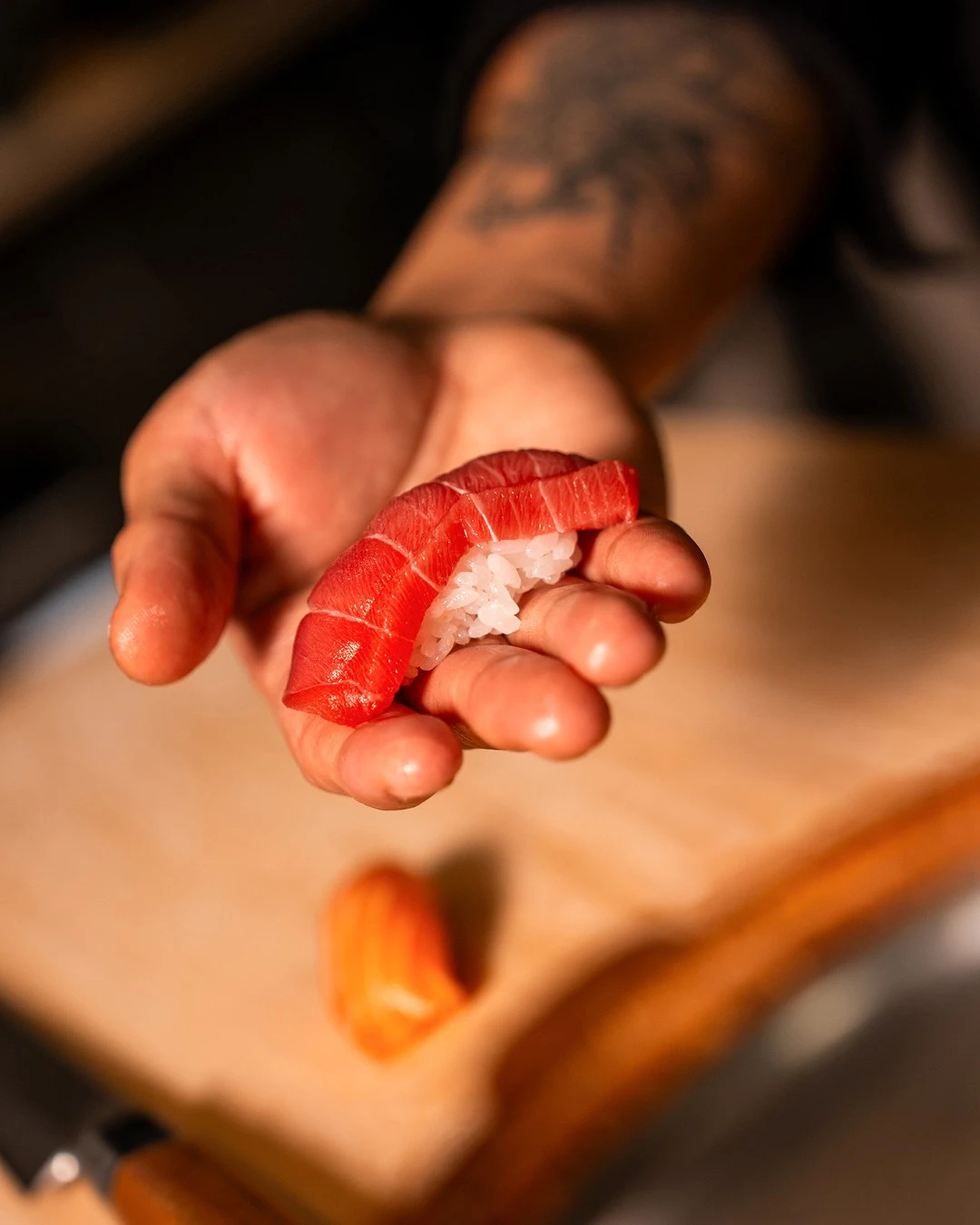
What is the single most important skill a young chef should master during their first year in a professional kitchen?
Learn to sharpen a knife and learn how to use it. It sounds basic, but it saves you so much time once you know how to do this.
Having started your own journey at 15 in a butcher’s shop, what advice do you have for young chefs on the importance of learning "unglamorous" foundational skills before chasing creative fame?
I compare our knowledge to building a structure - how high you can build depends on how strong your foundation is. For young chefs or cooks, it’s important to put in consistent effort and maintain discipline. Repeating tasks might feel monotonous, but that repetition is where true learning happens, forming the solid foundation you’re creating.
You have successfully transitioned from an apprentice to a global restaurateur; what is the biggest mistake you see young chefs making when they try to move from the kitchen into the business side of the industry?
Many believe food is everything, but service and ambiance can sustain even average dishes. Successful businesses worldwide prove this. Consistency remains essential.
In an era dominated by social media aesthetics, how can aspiring chefs ensure they are prioritising the actual flavour and technique of a dish over its "Instagrammability"?
It's important to be genuinely honest with yourself and invite your team to try the dishes, encouraging them to share their true opinions about whether they're actually tasty. Take it even further by offering the food to regular guests and asking for their feedback. Honesty is valuable, though not always easy to obtain, but prioritising flavour should always come before making dishes look good online. Otherwise, you usually get one-time guests instead of regulars and you cannot build a business that way.
For those looking to follow in your footsteps and work internationally, how do you recommend they choose which global cities or specific kitchens will best sharpen their culinary identity?
When beginning your career, it is advisable to prioritise gaining knowledge and experience rather than focusing solely on financial compensation or titles. Operating in major global cities often necessitates genuine sacrifice and perseverance; however, these efforts are ultimately rewarded over time.
Strawfire by Ross Shonhan, Emirates Palace Mandarin Oriental, Abu Dhabi, United Arab Emirates
Make a reservation at Strawfire by Ross Shonhan, right here
@strawfireabudhabi @ross_shonhan